
Most business owners in Dubai spend their marketing budgets chasing the next new client, the next lead, the next name to add to the pipeline. Meanwhile, sitting quietly in their CRM or their old email threads or their forgotten WhatsApp groups is a group of people who already trust them, already know their work, and already said yes once. That group is often worth more than the entire new business pipeline combined, yet it gets the least attention of anyone in the business. This is the strange blind spot that shows up across almost every industry, from consultancies to salons to real estate agencies, and it costs companies real money every single month.
If you run a business in the UAE and you have been in operation for more than a year or two, there is a good chance you are sitting on revenue you have not even noticed yet.
The question worth asking is not how to find more customers this quarter. It is how much you could earn from the ones you already have, if only you looked at them properly.
Why New Client Acquisition Gets All the Attention
There is a simple reason marketing budgets, sales targets and business strategies tend to obsess over new client acquisition. Growth feels exciting when it comes from outside. A new signed contract, a new customer walking through the door or a new booking on the calendar gives an immediate sense of momentum and progress. Existing clients, on the other hand, feel like a solved problem. Once someone has bought from you and the relationship seems stable, most business owners quietly move their attention elsewhere and assume that client will simply keep coming back on their own.
This mindset is understandable, but it is also expensive. Existing clients are treated as a static asset rather than a living relationship that needs nurturing and, more importantly, needs to be actively sold to again. The result is that businesses end up spending heavily to acquire fresh customers while leaving a warm, willing and already-convinced audience almost entirely untapped.
There is also a psychological factor at play here. Selling to someone new feels like proof of skill, like validation that the product or service is genuinely good enough to convince a stranger. Selling more to someone who already trusts you can feel less glamorous, even though it is usually far easier and far more profitable.
The Real Cost of Ignoring Retention
Acquiring a new client in Dubai's competitive market is not cheap. Between advertising spend, sales team hours, discounts offered to win the deal and the time it takes to build enough trust for someone to commit, the total cost of bringing in a brand new customer is significantly higher than most business owners realise. Industry research consistently shows that acquiring a new customer can cost anywhere from five to seven times more than retaining and growing revenue from an existing one.
When a business pours its energy into acquisition while neglecting the clients already on its books, it essentially pays full price for growth every single time. There is no compounding effect. Every new client has to be won from scratch, while the clients who already trust the brand and already understand its value are left to quietly drift away or, worse, get poached by a competitor who simply bothered to check in.
The businesses that grow steadily and sustainably tend to do the opposite. They treat their client base as a living, breathing source of ongoing revenue rather than a one-time transaction. They know that a satisfied client is not the end of a sales journey but the beginning of a much longer and more profitable one.

Where the Hidden Revenue Actually Lives
Once a business starts looking at its existing clients with fresh eyes, the opportunities tend to appear in a few predictable places. These are not exotic strategies reserved for large corporations. They are practical, achievable moves that any business, from a boutique agency in Dubai Marina to a family-run trading company in Deira, can start applying almost immediately.
Upselling to Clients Who Are Already Satisfied
A client who has already had a good experience with a product or service is, statistically, one of the easiest people in the world to sell to again. They have already overcome their initial hesitation, they already understand the value being offered, and they already trust that the business can deliver. Upselling simply means offering them a better, more complete or more advanced version of what they have already bought.
A consultancy that delivered a strategy report for a client, for instance, is in a strong position to later offer implementation support or ongoing advisory retainers. A salon that has built loyalty around a single service can introduce premium packages or add-on treatments to clients who have already proven they are willing to invest in themselves. The key is timing this offer around a moment when the client is already feeling the benefit of what they bought the first time, rather than pitching randomly out of context.
Cross-Selling Related Services
Cross-selling works differently from upselling because instead of offering more of the same thing, it introduces something adjacent that solves a different but related problem for the same client. A business setup consultancy that helped a client incorporate a company in Dubai, for example, is well placed to later offer accounting services, visa processing, or office space solutions, since all of these needs naturally follow from the original transaction.
This works particularly well in the UAE market because so many business owners here are juggling multiple moving parts at once, from licensing to banking to compliance to marketing. A service provider who can genuinely help with more than one piece of that puzzle has an enormous advantage over a competitor who only offers a single, isolated service.
Reactivating Dormant Clients
Every business, no matter how well it is run, ends up with a list of clients who simply went quiet. They are not upset, they have not switched to a competitor out of dissatisfaction, and in many cases they would happily return if someone simply reached out. Life gets busy, priorities shift, and clients drift away not because of anger but because of neglect on both sides.
Reactivation campaigns, whether through a personal phone call, a well-crafted email, or even a simple message checking in, can recover a surprising amount of lost revenue with very little effort. These clients already know the business, already trust its quality, and in many cases are simply waiting for a reason or a reminder to come back.
Referrals From People Who Already Believe in the Business
Existing clients are also one of the most underused sources of new business. A client who has genuinely benefited from a product or service is often more than willing to recommend it to someone else, particularly if they are gently asked and, ideally, given a small incentive to do so. Referral revenue tends to convert faster and cost less than almost any other acquisition channel because the trust has already been transferred from the client to their contact before the business even makes first contact.

Practical Ways to Start Uncovering This Revenue
Recognising that hidden revenue exists is one thing. Actually finding and capturing it requires a bit of structure. Here are some practical starting points that work well for businesses of almost any size in the Dubai market.
- Audit the client list by purchase history. Go through past clients and sort them by what they bought, when they bought it and how much they spent. Patterns will emerge almost immediately, showing which clients are likely candidates for an upsell, a cross-sell or a reactivation outreach.
- Segment clients by engagement level. Active clients, occasional clients and dormant clients each need a different kind of message. Sending the same generic offer to all three groups usually underperforms compared to a tailored approach.
- Create a simple check-in cadence. A quarterly call, email or even a short WhatsApp message asking how things are going keeps the relationship warm without feeling like a sales pitch.
- Bundle complementary services into a package. This makes cross-selling feel like a natural upgrade rather than an additional ask, and it often increases the average client value significantly.
- Set up a referral system with a clear incentive. Whether it is a discount, a gift or simply public recognition, giving clients a reason to refer others formalises what might otherwise happen only occasionally and by chance.
- Track this revenue separately. Measuring how much income comes specifically from existing clients versus new ones helps the business understand exactly how valuable this segment really is, and it makes the case for investing more time and resources into it.
Turning This Into a Repeatable System, Not a One-Time Push
The businesses that benefit most from their existing client base are not the ones that run a single reactivation campaign and then forget about it. They build this thinking into how they operate on an ongoing basis. This might mean assigning someone on the team specifically to manage client relationships and follow-up, building a simple CRM workflow that flags clients due for a check-in or setting quarterly targets for revenue generated from the existing base rather than only from new leads.
Over time, this shift in focus tends to change the overall health of the business. Cash flow becomes more predictable because a portion of revenue is coming from relationships that already exist rather than depending entirely on the unpredictability of new leads. Marketing spend can be redirected more efficiently because acquisition is no longer the only lever being pulled. And perhaps most importantly, clients feel genuinely looked after, which in turn makes them more loyal, more likely to spend more and more likely to tell others about the business.
For any Dubai based business owner reading this and mentally scrolling through their own client list right now, the opportunity is worth taking seriously. Somewhere in that list is a client who would happily buy again, a contact who has not been asked for a referral, or a relationship that simply went quiet and is waiting to be reignited. Finding that revenue does not require a bigger marketing budget or a longer sales cycle. It simply requires looking in the right direction.
Also Read:
 Umema Arsiwala
 Umema Arsiwala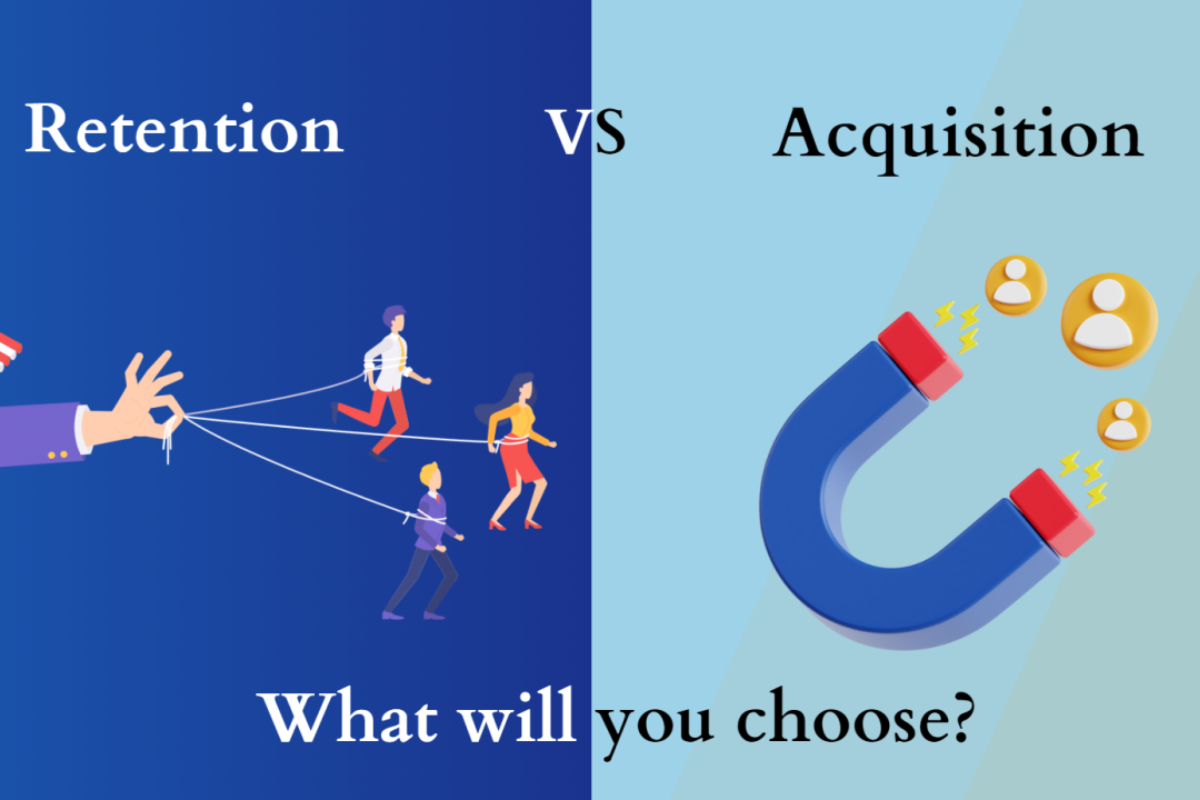
 Shahba Mayyeri
 Umema Arsiwala
 Ummulkiram Pardawala