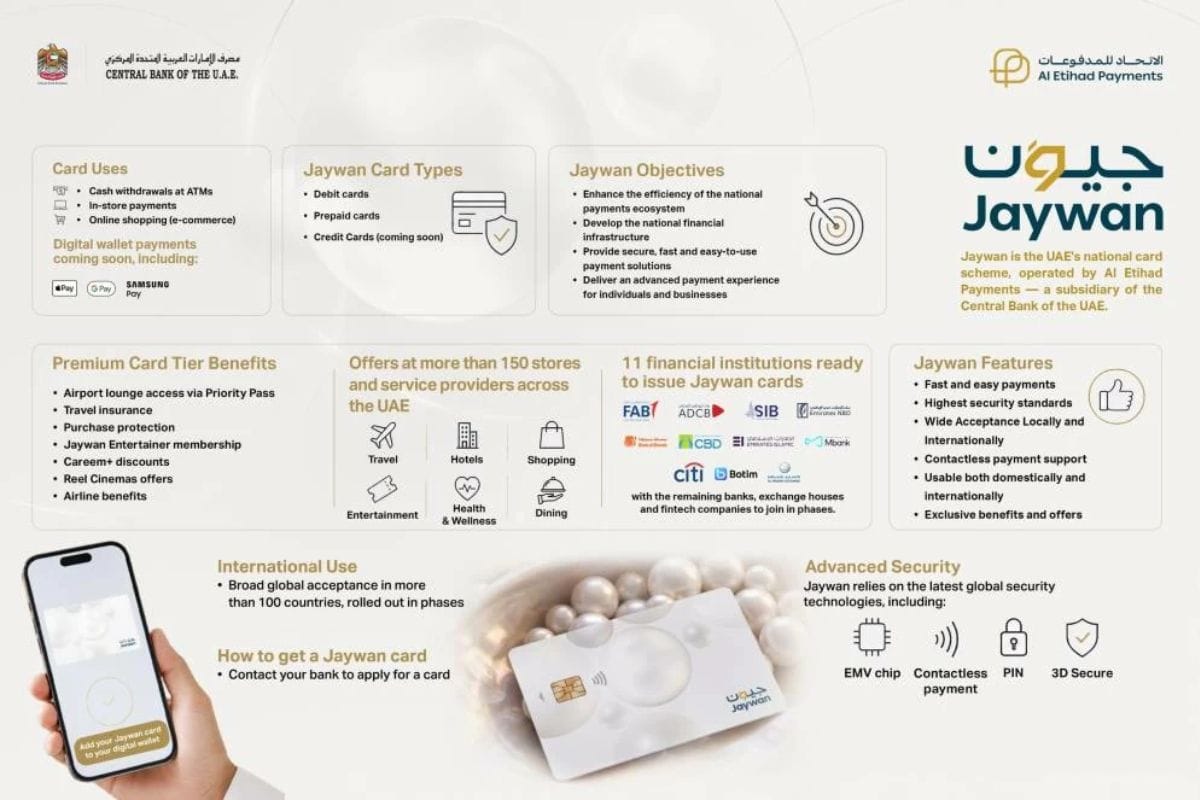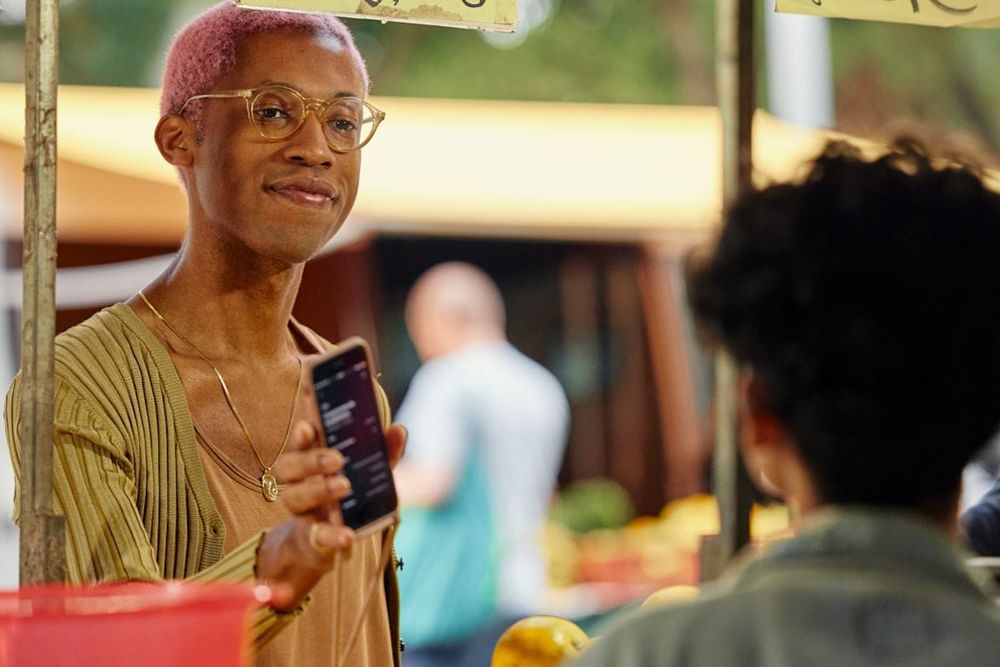
The best payment experience is the one you never notice. There is no card to dig out of a wallet, no six-digit code to type and no page that spins for ten seconds while you hope for the best. You choose what you want and the money moves. Somewhere between the tap and the receipt, a small army of software has checked your identity, assessed the risk and settled the bill.
This is happening across UAE retail right now. Food delivery apps, fashion platforms, supermarkets and airline sites are all stripping away the steps that used to sit between a shopper and a purchase. The shift is happening so smoothly that many people have stopped thinking about it.
Here's what is going on behind the screen, and why does it matter so much for anyone who sells to UAE consumers?
What is Invisible Fintech?
Invisible fintech is financial technology that works in the background so the customer barely notices it. The payment is still there, but it no longer demands attention. It is built into the app, the website or the store experience instead of sitting as a separate step.
Checkout.com defines an invisible payment as a transaction that happens without manual entry of credentials or redirection to another page. That is a useful starting point. In practice, invisible fintech shows up in a few familiar forms:
- Saved cards and digital wallets that fill in details automatically.
- One-tap checkout inside an app or a mobile browser.
- Contactless payments at the till through a phone or watch.
- Buy now pay later options that appear right next to the price.
- Subscriptions and recurring orders that renew without a fresh checkout.
- Fraud checks that run silently instead of asking the shopper to prove who they are.
The common thread is friction removal. Every extra field, redirect or pop-up gives a shopper a reason to leave. Invisible fintech is the effort to take those reasons away.
Why the UAE is Such Fertile Ground
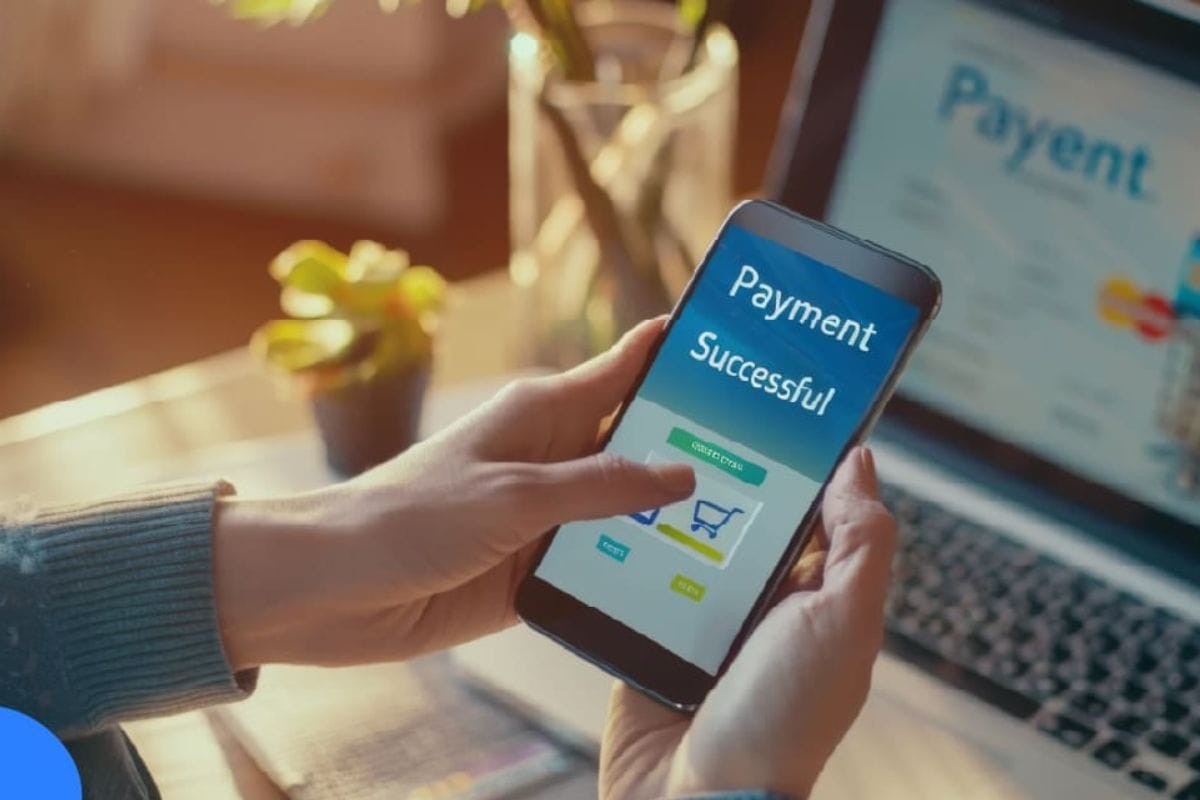
Several ingredients came together here at the same time. The country has high smartphone use, strong internet infrastructure and a population that adopted digital services early. Consumers are used to ordering food, groceries, taxis and holidays from a screen. Retailers, in turn, have learned that a slow checkout costs real money.
Regulation has also played a part. The Central Bank of the UAE has moved to formalise newer payment models. Tamara, for example, has been reported as the first buy now pay later firm to secure a Central Bank retail credit licence, which gave the sector a more formal footing. Clearer rules make banks, retailers and fintechs more comfortable building products together.
Then there is the mix of shoppers. The UAE has a young, mobile-first, multicultural population with high spending power and little patience for clunky experiences. A shopper who can pay in one tap at a Dubai mall will expect the same speed on a fashion app or a travel site. Once that expectation forms, it is hard to reverse.
What the Numbers Say About Shopper Expectations
Fresh data from Checkout.com's MENA Digital Commerce 2026 report shows how strongly consumers in the region feel about this. The findings paint a clear picture:
- 97% of consumers value payments that happen without manual credential entry or page redirections.
- 45% shop online at least weekly.
- 63% expect to shop online more often over the next 12 months.
- 64% use digital wallets at least monthly to buy, budget and manage money.
- 74% use wallets for money transfers.
Those figures show that invisible payments are not a niche preference. They are close to a universal expectation. Checkout.com also reported that its regional processing volume grew by 62% year on year. Its remittance volumes in MENA rose 169% between 2024 and 2025, which points to how quickly digital money movement is becoming normal.
Other sources tell a similar story on wallets. One industry guide for merchants estimates that around 53% of UAE consumers use digital wallets such as Apple Pay, Google Pay and Samsung Pay. The exact share varies by survey, but the direction is the same everywhere.
The Technology Working Behind the Scenes
Invisible does not mean simple. The smoother the experience looks, the more machinery sits underneath it. A few pieces do most of the heavy lifting.
Tokenisation. Instead of passing your real card number around, the system swaps it for a unique digital token. If someone intercepts the token, it is useless on its own. This is what makes saved cards and wallet payments safer than typing details into a form.
Network tokens and account updaters. Cards expire and get replaced. Account updater tools refresh stored details automatically so a recurring payment does not fail just because a card was reissued. The customer never sees the problem because it never happens.
Real-time fraud detection. Machine learning models assess each transaction in milliseconds. They look at device, location, spending pattern and dozens of other signals. Most payments pass without a single extra question. Only the suspicious ones trigger a challenge.
Payment orchestration. Behind many checkouts sits a layer that routes each payment to the provider most likely to approve it. That raises acceptance rates without the shopper knowing a decision was made.
Together these tools let a retailer promise speed and safety at once. That combination is the whole point.
Buy Now Pay Later at the Checkout
Buy now pay later is one of the clearest examples of invisible fintech in UAE retail. The customer sees a simple option beside the price. Behind it sits a credit decision, a merchant settlement and a repayment schedule.
Tabby is a provider that lets shoppers split a purchase into four equal interest-free payments while paying the retailer in full upfront. Tamara offers a similar model at online and offline merchants. Adoption has grown fast. One market report found that 37% of UAE consumers had used BNPL schemes in 2022, up from 24% a year earlier.
Integration has been a big driver. When Network International, the UAE's largest payment solution provider, teamed up with Tabby, it let merchants using its gateway offer instalments without building anything new. That is invisible fintech at work. The retailer flips a switch and the shopper gets a new way to pay.
For retailers, the appeal is easy to see. Instalment options tend to lift order values and conversion. For shoppers, the appeal is flexibility. Both groups benefit when the option is built into checkout and not bolted on as a separate journey.
Where UAE Shoppers are Spending Online
Invisible payments matter most where people spend often. The Checkout.com report shows that regional online spending has spread well beyond occasional purchases:
- Food delivery leads at 59% of respondents.
- Clothing and accessories follow at 54%.
- Travel comes in at 40%.
- 25% of consumers now shop through social media platforms.
Food delivery is a good example of why frictionless payment wins. Orders are frequent, baskets are small and customers are often hungry and impatient. A saved card and a one-tap confirmation make the difference between an order and an abandoned app.
Social commerce is the newer frontier. When a shopper spots a product in a feed, every second between interest and payment lowers the odds of a sale. Embedded checkout inside the platform shortens that gap dramatically.
The Trust Problem Behind the Convenience
Here is the catch. Consumers love invisible payments, but they do not love them at any cost. Security remains the deciding factor.
The same report found that 62% of consumers see a safe and secure payment process as the most important part of online shopping. That ranks ahead of fast delivery. It also found that 28% of shoppers abandon carts because of security concerns.
The most painful number for merchants is the false decline. When a legitimate payment is rejected by mistake, 62% of shoppers abandon the purchase. Another 35% switch directly to a competitor. A single wrongful rejection can cost a retailer both the sale and the customer.
This is why the invisible part only works when the protection is strong. Around half of consumers say they will save card details for faster checkout, but only if fraud protection is robust. Convenience earns permission, and trust keeps it.
For retailers, the lesson is balance. A checkout that is too strict frustrates good customers. One that is too loose invites fraud and chargebacks. The winners will be the ones who tune both sides carefully.
What Retailers Should Do Now
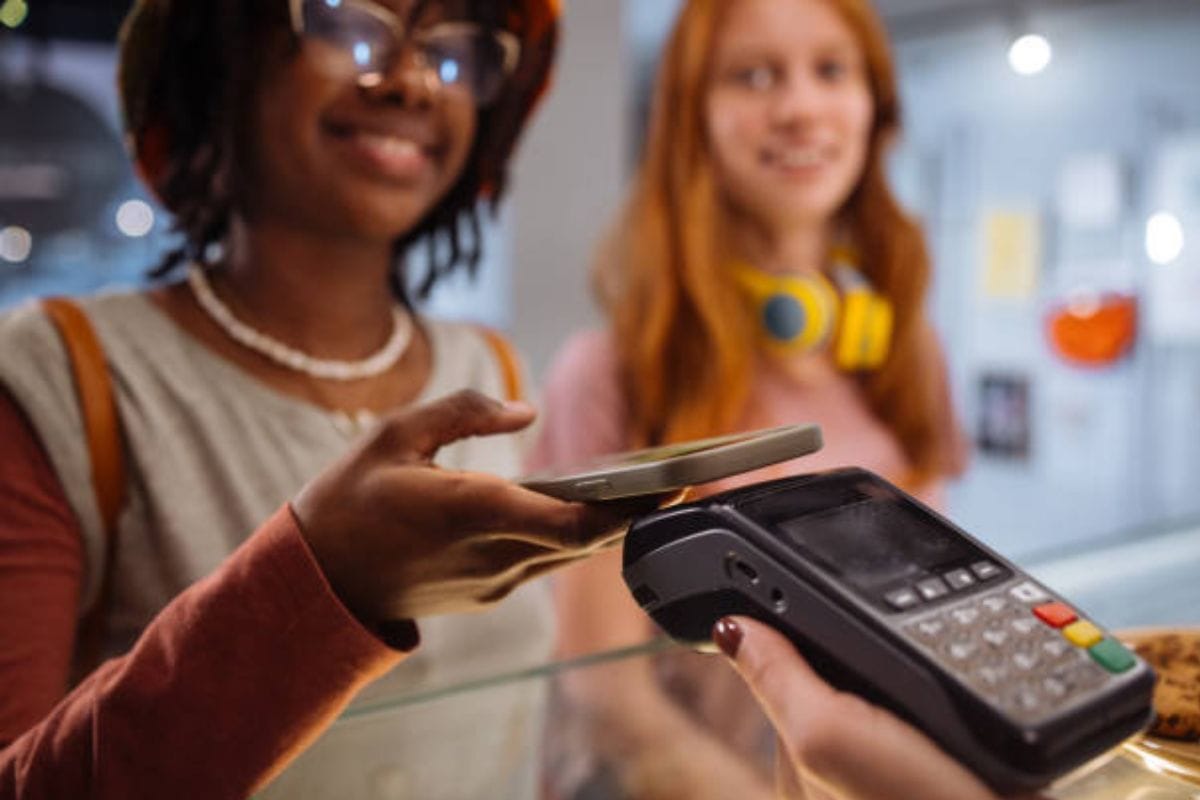
For UAE retailers, the direction is clear even if the pace varies. A practical starting checklist looks like this:
- Audit your checkout. Count the steps and fields between "add to cart" and "order confirmed". Remove anything that does not need to be there.
- Offer the payment methods shoppers already use. Cards, major wallets and at least one instalment option cover most expectations.
- Track false declines. Many merchants watch fraud losses closely but ignore wrongful rejections. Measuring both gives a truer picture.
- Enable saved credentials with clear security messaging. Shoppers will trade convenience for card storage if they trust the protection behind it.
- Invest in fraud tools that adapt. Static rules struggle with modern attack patterns. Adaptive systems reduce risk without punishing genuine buyers.
- Prepare for AI-driven shopping. Clean product data, clear pricing and reliable payment infrastructure will matter when agents start browsing on behalf of customers.
None of these steps require a complete rebuild. Most can be phased in gradually, starting with the points where customers drop off today.
Invisible fintech is changing what UAE shoppers consider normal. A few years ago a smooth checkout was a bonus. Today it is the baseline, and trust has moved from a selling point to a basic requirement.
The retailers who thrive will be those who make payment feel effortless while keeping the protection strong behind it. Consumers have made their position clear. They want payments to fade into the background, but only when they can rely on what is happening out of sight.
As wallets, instalments and AI agents reshape the checkout, the most successful payment may be the one nobody remembers making.
Also Read:
 Shahba Mayyeri
 Shahba Mayyeri
 Shahba Mayyeri
 Shahba Mayyeri
 Ummulkiram Pardawala