Dubai is one of the most competitive business environments on the planet. The skyline is packed with ambition, the market is flooded with talent, and the standard of service across industries, from hospitality to finance to real estate, is genuinely world-class. So it raises a fair question: if the product is good and the service is solid, why do so many businesses here find themselves constantly chasing new clients instead of nurturing a loyal base?
The answer almost never lies in what was delivered. It lies in everything that happened after. The follow-up that didn't come. The relationship that was never built. The communication that felt transactional rather than human. Dubai's business culture has a peculiar blind spot, and it costs companies enormous amounts of revenue every year without them even realising it. The question worth sitting with is this: are you losing repeat clients not because you failed them, but because you never truly connected with them in the first place?
The Relationship Economy Dubai Professionals Underestimate
There is a common assumption in business that if a client was satisfied, they will come back. It feels logical. You delivered well, they paid, everyone was happy, so why would they go elsewhere? The reality is that satisfaction alone has never been enough to guarantee loyalty, and this is especially true in Dubai where clients have access to a dense, competitive market full of alternatives.
What actually drives repeat business is a sense of relationship, the feeling that a business sees them as a person rather than a transaction. When a client feels genuinely valued beyond the invoice, they develop an emotional connection to doing business with you. That emotional connection is worth far more than any loyalty discount or referral incentive you could offer them.
The challenge in Dubai is that the pace of business is fast. Deals close quickly, pitches are short, and there is constant pressure to move on to the next client. This creates a culture where the relationship-building phase gets compressed or skipped entirely, and businesses end up winning projects without winning people.
The Follow-Up Problem That Nobody Talks About
Ask most business owners in Dubai what happens after a project wraps up or a sale closes, and the honest answer is usually some version of "we move on." A closing email goes out, a thank-you might be sent, and then the client file goes quiet until there is another reason to reach out, usually when the business needs something.
This is the follow-up problem, and it is far more damaging than most businesses realise. Clients notice when they only hear from you when you want their money. It creates a dynamic where the relationship feels entirely transactional, and that perception is very difficult to reverse once it sets in.
Effective follow-up in the context of client retention is not about sales calls or upsell pitches. It is about genuine, low-pressure touchpoints that communicate care. A message checking in on how a project landed in practice, a quick note acknowledging a piece of industry news relevant to their business, or even a brief call to ask how things are going with no agenda at all, these are the interactions that shift you from vendor to trusted partner. Most businesses in Dubai simply do not invest the time in this because it does not feel productive in the immediate term. But client retention is always a long-term game.
Cultural Complexity and Miscommunication

Dubai is home to over 200 nationalities, and while this diversity is one of the city's greatest strengths, it also means that the standards and expectations around business relationships vary enormously from one client to the next. What feels like efficient and professional communication to one client can feel cold and dismissive to another. What reads as warmth and personability to a Western client might feel overly familiar to a client from a more formal business culture.
The gap between intent and perception
Many businesses in Dubai lose repeat clients not because they were rude or negligent but because their communication style did not match what the client expected. A quick, bullet-pointed update email might be perfect for a client who values efficiency, but deeply off-putting to a client who expected a phone call and some relationship-building small talk before getting into the numbers.
The businesses that tend to retain clients most successfully in this market are the ones that invest in understanding how each client prefers to be communicated with and then adapt accordingly. This requires paying attention during the initial engagement and asking, at some point, what kind of working relationship the client prefers. It sounds obvious, but the vast majority of businesses never ask.
Language, tone and the limits of formal communication
There is also a tendency in Dubai's professional environment to default to overly formal written communication, particularly in industries like legal services, finance, real estate and consulting. While professionalism is important, excessive formality can create distance where warmth would serve the relationship better. Clients who feel like they are reading a corporate memo every time they hear from you are less likely to feel personally connected to your business, and personal connection is what drives loyalty.
The Onboarding Experience Sets the Tone for Everything
Most businesses put significant effort into winning a client and far less into what happens in the first two weeks of working with them. This is a critical mistake because the onboarding experience is where the client forms their lasting impression of how you operate. If that experience is smooth, communicative and attentive, it sets an expectation of quality that makes the client want to return. If it is disorganised, slow to respond or unclear about what comes next, the client starts the relationship already slightly on edge.
In Dubai's professional services sector in particular, where referrals and reputation drive a significant portion of new business, the onboarding experience also influences what a client says about you to others. A client who felt well looked-after from day one is far more likely to send peers your way. A client who had to chase you for basic information in the first week is likely to quietly mention that to anyone who asks.
Fixing the onboarding experience does not require expensive technology or a complete operational overhaul. It requires clarity, consistency and communication. A structured welcome process, a clear outline of what the client can expect at each stage, and a named point of contact who is genuinely responsive are often enough to transform how a client perceives your business from the very beginning.
Why Price Sensitivity Is Often a Loyalty Symptom
One of the most common explanations Dubai business owners give for losing repeat clients is that they went with a cheaper competitor. And while price is certainly a factor in some cases, it is rarely the whole story. When a client leaves for someone offering a lower price, the more useful question to ask is: what would have made them stay despite the price difference?
Clients who feel a strong sense of loyalty to a business, who feel seen, valued and consistently well-served, will almost always absorb a price increase or decline a cheaper offer before walking away. Price sensitivity tends to surface when the emotional connection to a business is weak. If a client sees you as interchangeable with your competitors, they will make decisions based on price because that becomes the only clear differentiator.
This means that competing on price is often a signal that the relationship work has not been done. The businesses that retain clients in Dubai's highly competitive market are not always the cheapest. They are the ones whose clients feel genuine loyalty because the relationship was built deliberately and sustained over time.
What Businesses Actually Lose When a Client Doesn't Return

The financial impact of poor client retention is almost always larger than it appears on the surface, and many businesses in Dubai significantly underestimate what a departing client actually costs them.
Here is what the true cost of losing a repeat client looks like:
- The direct revenue loss from the work or purchases they would have brought back, often multiple times over several years.
- The referral revenue they would have generated, since loyal clients are far more likely to recommend your business actively and specifically.
- The cost of replacing them, which involves marketing spend, sales time and the onboarding costs associated with acquiring and educating a new client.
- The lost intelligence, because long-term clients give you honest feedback, useful context about their industry and early warning about market shifts that newer clients rarely volunteer.
- The reputational cost, particularly in Dubai where the professional community is tightly networked and a dissatisfied former client's quiet opinion travels quickly through industry circles.
The Practical Shifts That Make a Real Difference
Improving client retention in Dubai is not about grand gestures or elaborate loyalty programmes. The businesses that do it well tend to make a series of smaller, consistent changes that compound over time into something that clients genuinely feel.
The following approaches consistently make the most meaningful difference:
- Build a post-project check-in into your standard process, not a sales call, but a genuine inquiry into how things are going two to four weeks after delivery.
- Assign a dedicated relationship owner for each significant client, someone whose job includes keeping the connection warm between active engagements.
- Personalise communication based on what you know about each client's preferences, industry context and communication style rather than sending the same templated messages to everyone.
- Acknowledge milestones that matter to the client, such as business anniversaries, successful launches or significant industry developments, without expecting anything in return.
- Ask for feedback deliberately and openly, not through automated surveys, but through a real conversation that makes the client feel their opinion shapes how you work.
- Be visible and accessible between engagements through relevant content, useful introductions or simply staying present in a way that reminds the client you exist and that you are paying attention to their world.
None of these require a large budget. They require intention, consistency and the understanding that a client relationship is something you build continuously, not something that begins at pitch and ends at invoice.
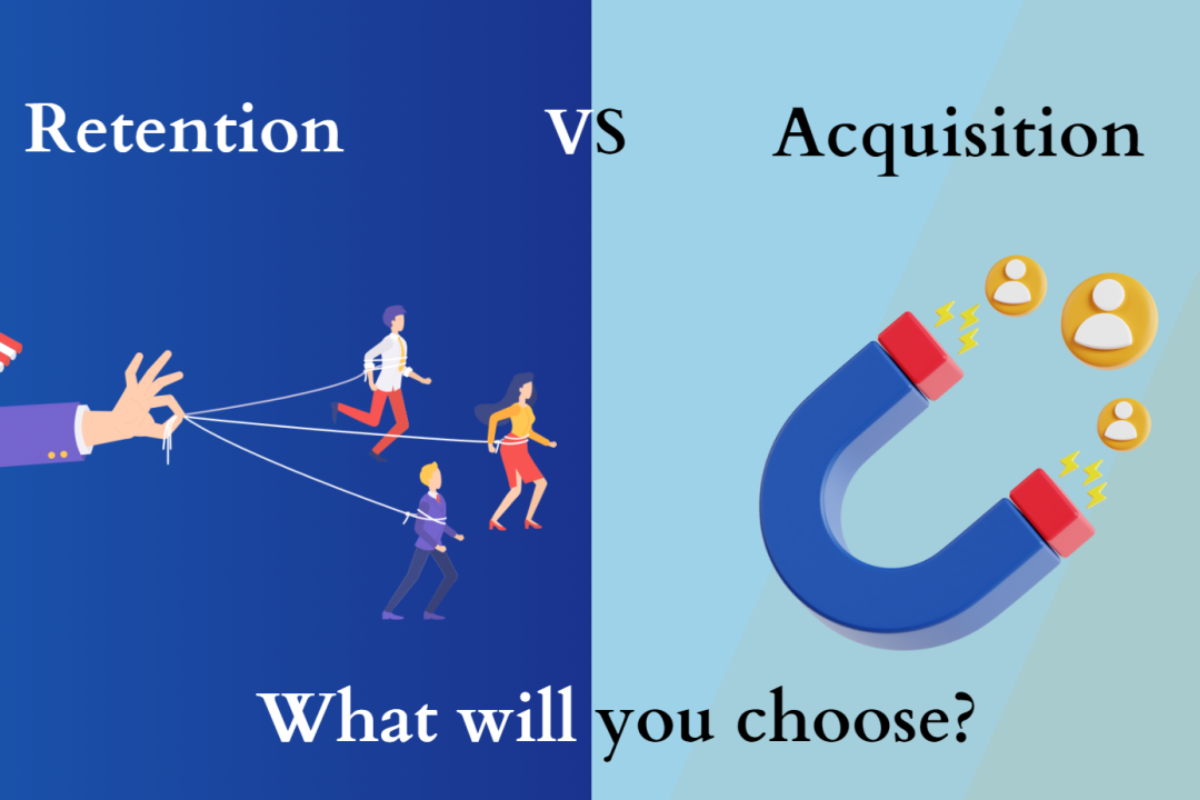
Dubai is a city that rewards ambition, and there is no shortage of it. But the businesses here that are building something truly sustainable, the ones with stable revenue, strong reputations and clients who return without being chased, are the ones that have understood a simple truth: the work of keeping a client is just as important as the work of winning one.
The real reason most Dubai businesses struggle with repeat clients is not poor service. It is the gap between what was delivered and what the client felt. Close that gap, and the retention problem largely takes care of itself.
Also Read:
 Umema Arsiwala
 Umema Arsiwala
 Ummulkiram Pardawala
 Ummulkiram Pardawala
 Shahba Mayyeri