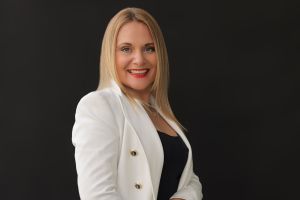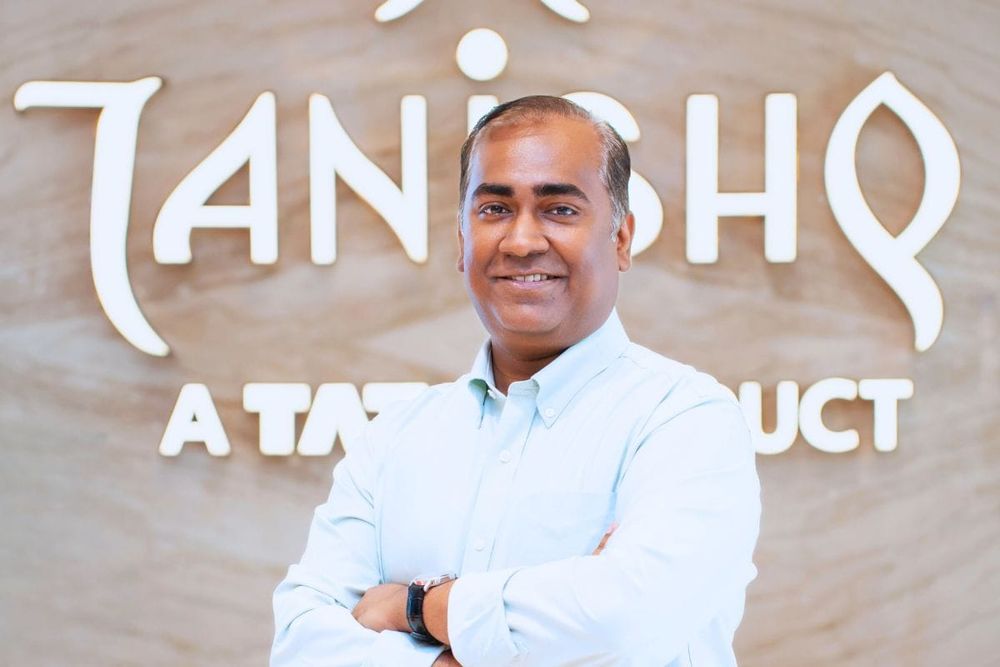
Tanishq, the jewellery arm of Titan Company Ltd, has grown into one of India’s most trusted and admired jewellery brands, renowned for its craftsmanship, design innovation and commitment to quality. Now making strong inroads into international markets, the brand is capturing the hearts of consumers in the UAE’s competitive luxury landscape.
At the helm of this expansion is Aditya Singh, Head of International Jewellery Business at Titan Company Ltd, who is steering Tanishq’s global journey with a blend of tradition, innovation and market agility. From navigating volatile gold prices to tailoring collections for the diverse tastes of Dubai, Abu Dhabi and Sharjah, Singh’s leadership reflects a deep understanding of both cultural sentiment and economic forces.
In this exclusive interview, he shares insights on how Tanishq balances artistry with financial strategy, adapts to shifting consumer behaviour and charts a path for sustainable growth in one of the world’s most competitive luxury markets.
For those unfamiliar with gold jewellery as an economic asset, why has it long been regarded as both an adornment and a form of financial security, particularly in cultures like India and the UAE?
Gold jewellery has a dual value in markets like India and the UAE, serving both as adornment and as a trusted form of financial security. In cultures where gold holds deep social and emotional significance, people view it as a portable, enduring store of wealth. Families often pass down jewellery as heirlooms, and it is also highly liquid, making it easy to convert into cash during emergencies. The UAE’s large expatriate population, especially from South Asia, embraces this tradition, while local consumers value gold’s stability as a hedge against inflation and protection against currency fluctuations.
What are the key forces behind global jewellery pricing, gold prices, currency shifts and demand cycles, and how does a brand like Tanishq maintain profit margins in such a volatile landscape?
Global jewellery pricing is influenced by gold rates, currency movements, seasonal demand cycles and consumer sentiment. For example, weddings in India and festivals in the GCC create demand spikes. At Tanishq, we manage volatility by dynamically adjusting the product mix, offering designs in varying weights and price points and hedging gold purchases to protect margins. Our strength lies in blending financial prudence with consumer insight, ensuring customers consistently perceive value regardless of market fluctuations.
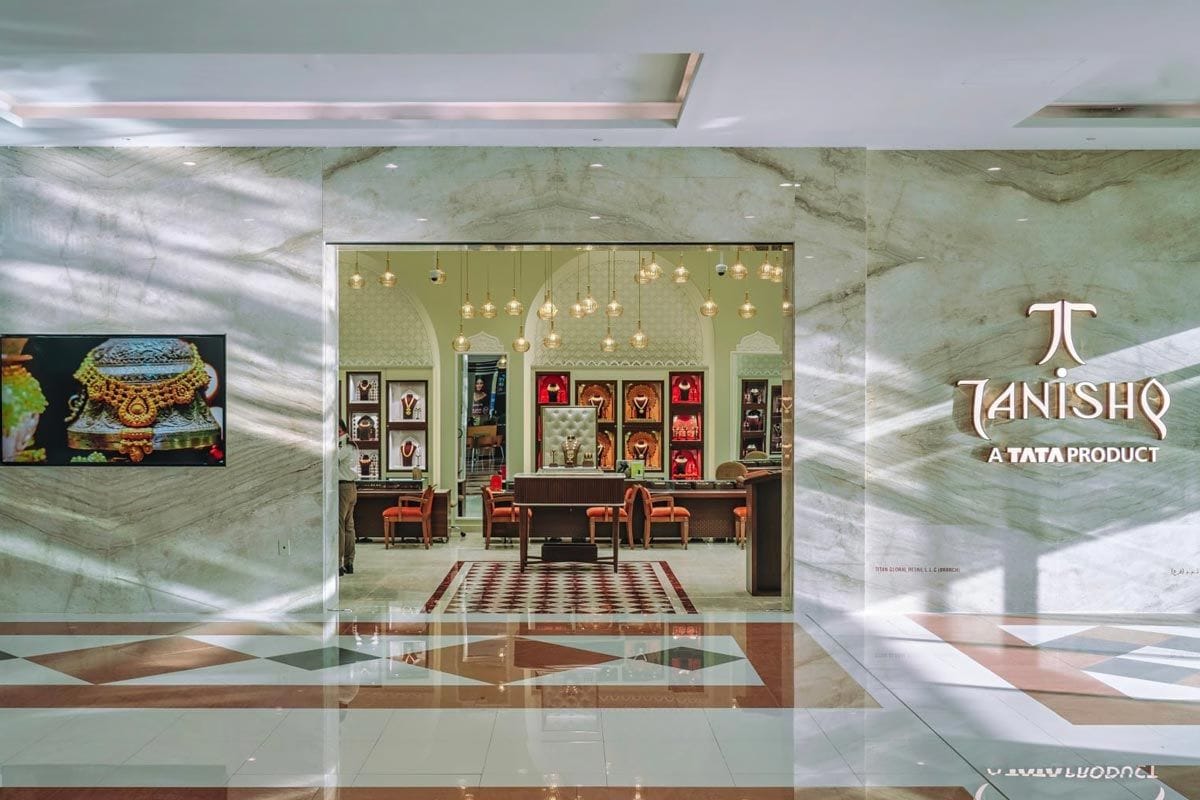
As gold approaches record highs, how do these price swings impact consumer behaviour in the UAE, and how does Tanishq adapt through pricing, product mix and marketing to maintain demand?
When gold prices rise sharply, consumers in the UAE often shift to lighter designs or postpone high-value purchases. However, emotional occasions such as weddings, births and anniversaries still drive sales. We adapt by increasing our lightweight design-led collections, offering flexible payment options and emphasising jewellery as a lasting investment. Marketing also pivots to highlight craftsmanship and emotional value over pure metal weight.
Tanishq’s gold exchange program has seen remarkable success in India, contributing up to 40% of sales. Have you implemented this program in the UAE, and what economic factors drive its success for both customers and your supply chain?
Tanishq’s gold exchange program thrives because it offers customers a transparent and fair value process to update their jewellery without losing its intrinsic worth. In India, it accounts for up to 40% of Tanishq’s sales. The company is now implementing the program in the UAE to encourage customers to recycle old pieces into contemporary designs. Economically, it also strengthens the supply chain by ensuring a steady flow of gold for manufacturing while deepening customer trust.
You’ve expanded across Dubai, Abu Dhabi and Sharjah. What consumer behaviour differences do you observe between these emirates, and how do you adjust your operations and inventory strategy?
Dubai attracts global tourists and expats seeking both investment-grade gold and innovative designs. Customers in Abu Dhabi tend to value exclusivity and luxury detailing, while those in Sharjah prefer competitive pricing and traditional designs. Our operations adapt by curating inventory specific to each emirate’s tastes and seasonal demand, supported by localized marketing campaigns.
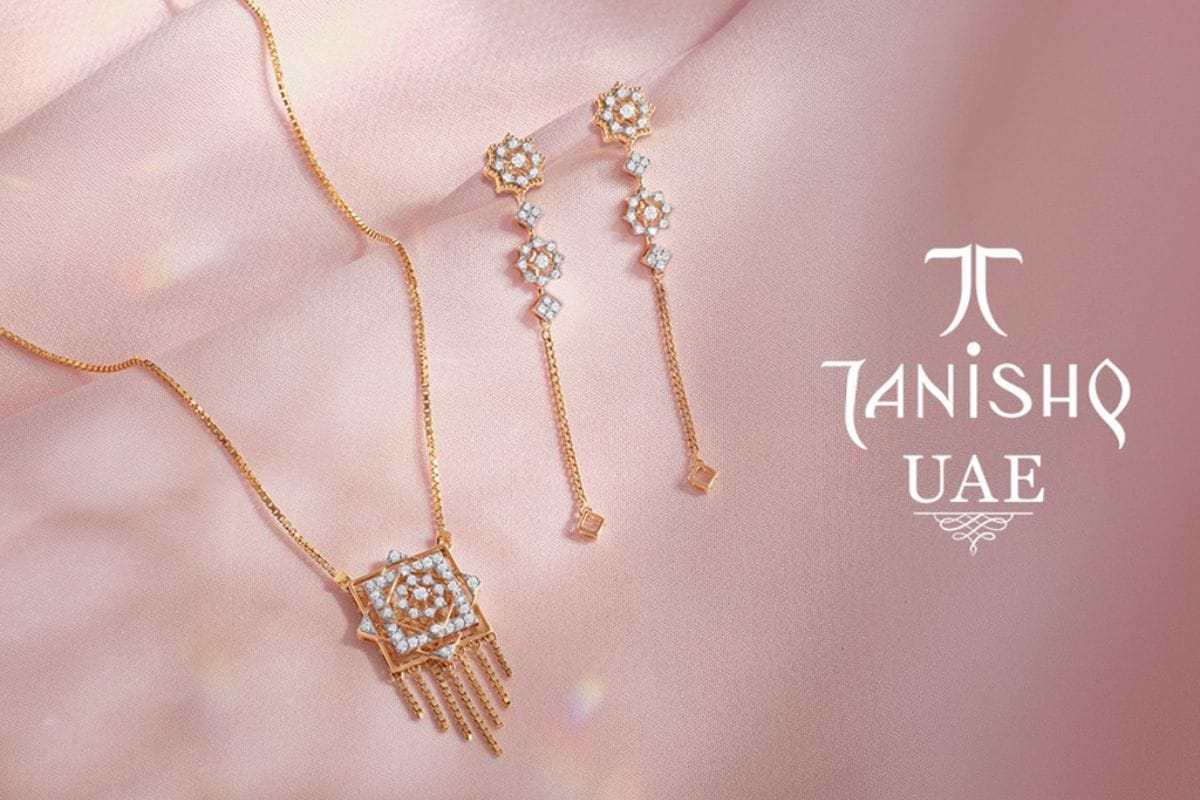
The UAE is a major luxury hub but faces economic uncertainty and rising competition. What makes you confident in its long-term potential, and how do you plan to mitigate risks while sustaining growth?
The UAE’s long-term appeal stems from its position as a global luxury hub, its tax advantages and its diverse, affluent population. While competition is intense, Tanishq differentiates itself through trust, craftsmanship and the ability to serve multiple cultural segments, both through Tanishq and, following the acquisition of Damas, Titan’s broader portfolio. We reduce risk through geographic diversification, product innovation, and strong brand equity.
From an economic perspective, is selling jewellery online as profitable as selling it in physical stores? What hidden costs, logistical challenges, returns and efforts to build customer trust do people often overlook?
Selling jewellery online is growing, but it’s not always as profitable due to costs like secure shipping, higher returns and robust trust-building. However, the online channel serves as a powerful discovery and research tool, driving customers to physical stores. The most profitable approach is hybrid, leveraging online for reach and offline to close high-value, relationship-based sales.
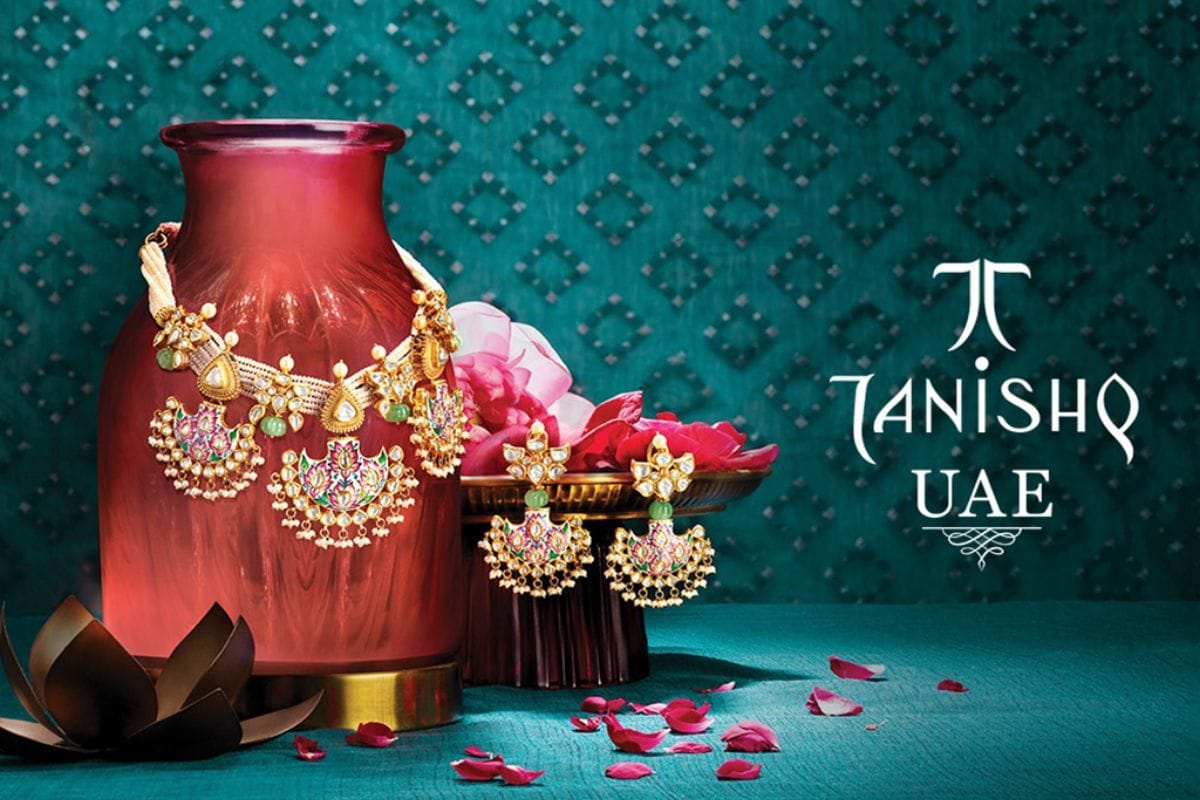
When a customer sees two similar pieces at very different prices, what factors contribute to the price beyond the gold weight, such as design, sourcing, labour and brand value?
Two similar-looking pieces may differ greatly in price due to design complexity, stone quality, craftsmanship and brand assurance. At Tanishq, we invest in original design, ethical sourcing, precision manufacturing and stringent quality control. These factors add layers of value beyond the gold weight, ensuring customers take home a piece with lasting aesthetic appeal and emotional value.
Given changing tastes, economic cycles and geopolitical risks, what long-term principles guide your decisions regarding inventory, store expansion and innovation?
We focus on three pillars: adaptability, authenticity and innovation. This means evolving designs to match changing tastes, managing inventory to navigate economic cycles and expanding strategically into markets with long-term promise. Investments in craftsmanship, technology and brand trust ensure we remain relevant even during uncertain geopolitical or economic times.
WATCH THE INTERVIEW:
Also Read:
 Shahba Mayyeri
 Maryam Pervez
 Maryam Pervez
 Maryam Pervez
 Maryam Pervez

![Interview with Nader Bassit, CEO of El Greco Restaurant [Wakira Investments] in Dubai](https://storage.ghost.io/c/8e/d7/8ed7937e-239e-4c73-8661-3ab95a578ef0/content/images/size/w300/2023/08/Untitled-design--1-.jpg)