A grounded, practical guide for Dubai-based entrepreneurs looking to enter the market with minimal capital, no warehouse, and no complex supply chains.
The word "easy" is frequently misused in conversations about entrepreneurship. It creates a false impression that certain businesses require no real effort, no discipline, and no consistent output. That is not what this article argues. The correct interpretation of "easy" in a business context refers specifically to a low barrier to entry, meaning that the financial, logistical, and technical requirements needed to get started are manageable for an individual with average resources.
A low barrier to entry means you do not need to raise significant capital before making your first dirham. It means you do not need specialized machinery, a warehouse lease, or a complex supplier relationship to deliver your first product or service. It means the distance between the decision to start and the first day of operation is short. These are meaningful distinctions in a city like Dubai, where the cost of living is high, business licensing can feel intimidating, and newcomers often assume they need considerable resources before they can begin.
The reality in 2026 is quite different. Dubai's infrastructure, its broadband penetration, its freelance permit framework, its mature e-commerce ecosystem, and its dense population of professionals and households have created an environment where a motivated individual can begin generating revenue within weeks, not years.
The businesses described in this article share three characteristics: they require minimal upfront capital, they do not depend on physical inventory or specialized equipment, and they can be started by one person operating alone. Each model is assessed on its own terms in this article.
The Service-Based Professional Model
The most direct path to self-employment is packaging a skill you already have and offering it to clients, directly consulting, writing, or providing virtual administrative support.
You are not learning something new. You are redirecting existing expertise into a client-facing structure. A marketing professional with five years of agency experience, for example, can offer campaign planning to small businesses that cannot afford full retainers.
Administrative support works the same way. Many Dubai founders need help with scheduling, invoicing, email, and document management, but handle it themselves out of necessity. A remote administrator can serve three to four such clients simultaneously.
The startup cost is nearly zero. A professional email address, a clear proposal template, and a payment method are all you need to begin.
The main barrier is not financial; it is the psychological shift from employed to self-employed. Those who manage it well find that their income ceiling rises significantly over time.
Digital Content and Instructional Services
Knowledge sharing is now a structured industry. Online tutoring, niche coaching, and instructional content are recognized professional categories with platforms, payment tools, and a ready audience.
Starting an online tutoring service requires no classroom and no materials. A tutor can list on local parent community groups, WhatsApp, Facebook groups, neighborhood apps, and conduct sessions over video. The only requirements are reliable internet and a quiet space.
Niche professional coaching targets working adults. Career coaching, communication coaching for non-native English speakers, or productivity coaching for founders are all in consistent demand in Dubai.
Specificity is the key. A coach who clearly names their target client and the problem they solve attracts clients far more effectively than one with a broad, undefined offering.
Building a paid course takes longer to monetize, but creates an asset that earns independently. A well-structured ten-module course can be recorded on a smartphone, edited with free software, and distributed through platforms like Gumroad or Teachable.
E-Commerce via Dropshipping or Print-on-Demand
E-commerce no longer requires a warehouse, import logistics, or upfront stock purchases. Two models, dropshipping and print-on-demand, remove that requirement entirely.
In dropshipping, you list products on a storefront. When a customer orders, your supplier ships directly to them. You never handle the product. Your margin is the difference between the supplier's price and your retail price.
Print-on-demand applies the same logic to custom-designed items: t-shirts, tote bags, notebooks, and phone cases. Upload your designs to Printful or Printify, connect to your store, and they handle production and shipping automatically.
In Dubai, both models require a trade license to operate legally. Several free zones, including Dubai CommerCity and Shams, offer e-commerce licenses at accessible price points. This gives you legal standing to receive payments and run advertising accounts.
The distance between deciding to start and actually operating is short if you choose a model designed for that speed.
Home-Based Specialty Services

Dubai's residential density apartment towers, gated communities, and villa developments create consistent demand for personal services that corporate or retail structures do not serve well.
Pet sitting is one example. A growing population of pet owners regularly travels and needs trusted, local care. A sitter can begin with referrals within their building and expand to platforms like PetBacker or Rover. The capital requirement is zero.
Personalized shopping serves busy professionals who need someone to source furniture, electronics, gifts, or specialty groceries efficiently. The service provider handles research, comparison, and purchase coordination. Pricing is either a flat fee or a percentage of the purchase.
Professional organizing is a newer category in the UAE, but sees growing interest as apartment living creates pressure on physical space. An organizer helps clients redesign storage and implement practical daily systems. No certifications are required to begin.
The Role of the UAE Freelance Permit
The UAE's freelance permit system has expanded significantly in recent years. In 2026, free zones, including twofour54, Fujairah Creative City, and others, issue permits that allow a single individual to operate legally, issue invoices, and receive payments without forming a full company.
This is directly relevant to every service-based model in this article. A consultant, tutor, event coordinator, or content creator can obtain a permit, open a business bank account, and operate with full legal standing.
The permit covers the individual, not a brand or company structure. If you plan to hire staff or bring in partners later, a different license will be needed. For solo operators just starting out, it is the cleanest, most accessible path to legitimacy.
Application processes are largely digital. Several free zone portals allow the entire process to be completed online without a physical visit.
Asset-Light Event Support
Dubai runs a high volume of corporate events, product launches, private celebrations, and community gatherings year-round. The venues, catering, and AV infrastructure exist. What is consistently in shorter supply is reliable human coordination.
Event support does not require owning a venue or equipment. It requires organizational ability, professional communication, and an understanding of how events are structured. A coordinator can begin with small corporate breakfasts or private birthday events, building a portfolio that earns future referrals.
Specialized hosting is a related path to professional emceeing, bilingual hosting for Arabic and English events, or facilitation for workshop-style sessions. These roles are in steady demand among companies that run regular internal events but do not employ a full-time events professional.
Pricing is typically a day rate or project fee. As relationships with venues and vendors develop, referrals flow naturally and client acquisition costs drop.
Digital Maintenance and Management
Many small Dubai businesses have a social media presence or a basic website, but no one to manage either consistently. The shop owner, restaurant manager, or clinic director knows they need online activity, but daily operations leave no time for it.
Social media management involves creating a content calendar, producing posts using tools like Canva, scheduling through Buffer or Later, and monitoring engagement. A single operator can manage three to five small business accounts simultaneously.
Basic website maintenance, updating content, uploading images, refreshing service listings, and checking contact forms requires foundational knowledge of WordPress or Wix. Many businesses paid a developer to build their site and then have no one to keep it current.
Neither service requires formal qualifications. A portfolio of accounts you have managed, even your own test accounts, demonstrates capability clearly. Pricing is typically a monthly retainer, creating predictable recurring income.
Cleaning and Maintenance Sub-Niches
Dubai's climate creates specific maintenance demands that affect nearly every residential property. Two sub-niches stand out as particularly accessible.
AC filter cleaning is a practical necessity. Systems run continuously most of the year, and dirty filters reduce efficiency and affect air quality. Many residents simply do not have time to address it. A scheduled cleaning service visiting units on a rotating basis requires minimal equipment: a basic toolkit, a vacuum, cleaning solution, and replacement filters. One operator can serve multiple buildings per month.
Balcony gardening has grown in popularity as residents seek functional green spaces in limited outdoor areas. A specialist can consult on plant selection, set up irrigation, and provide regular maintenance visits. The startup cost is basic tools and an initial plant stock, sourced from local garden centers.
Both services benefit from the geographic concentration of Dubai's residential communities. Covering one or two neighborhoods makes travel time efficient and allows a stable, recurring client roster to develop naturally.
Operational Essentials for the First 30 Days
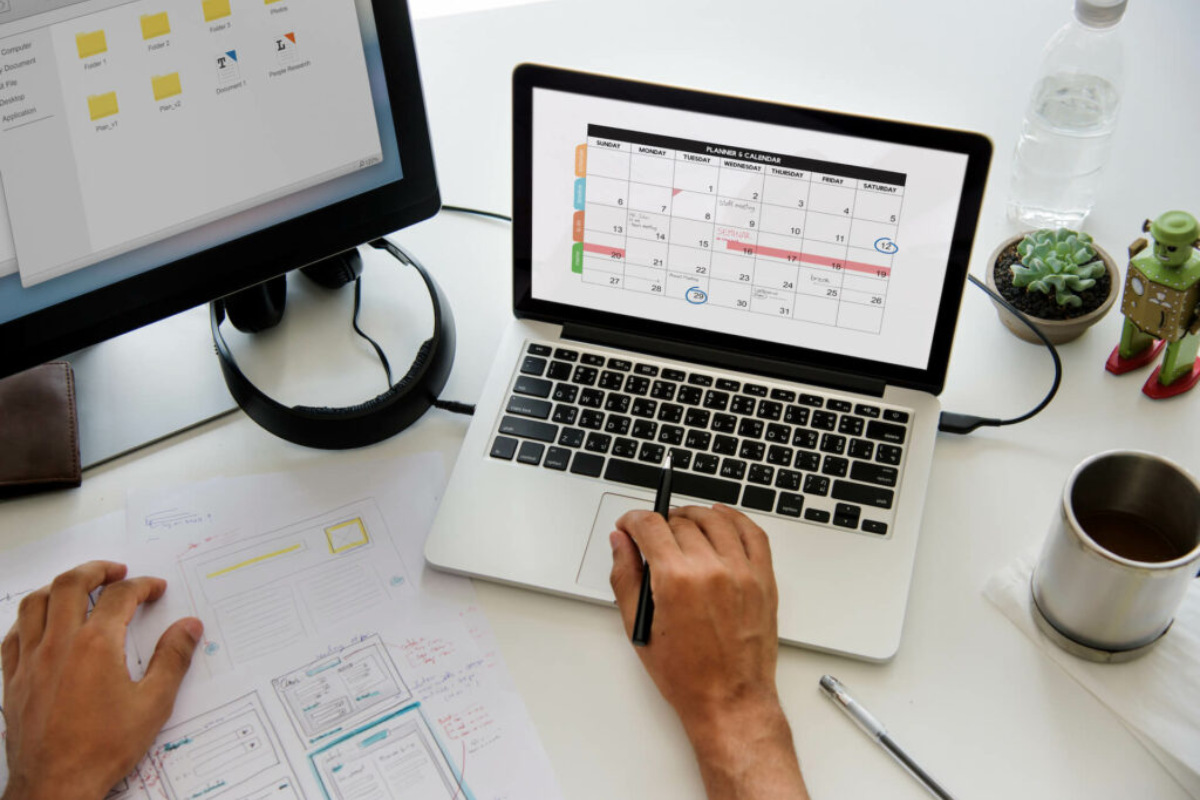
Choosing a model is step one. Becoming operational is step two. These ten steps form the foundation of a professional operation, not an informal side activity.
- Set up a dedicated workspace
A quiet desk with reliable internet and a professional video call background is enough. The physical separation between work and personal space improves focus and signals professionalism to clients.
- Choose a payment gateway
PayTabs, Telr, Stripe, or direct bank transfer decide before your first client conversation. Waiting until a client asks creates unnecessary friction.
- Create a professional email address
A custom domain email costs under AED 50 per year and immediately positions you as a serious operator. Google Workspace and Zoho Mail both work well for UAE businesses.
- Build a simple digital presence
A well-structured LinkedIn profile or a single-page site on Carrd or Wix is sufficient. Include a clear service description, your contact details, and any relevant examples of your work.
- Apply for the appropriate license or permit
A freelance permit or home-based business license gives you legal standing to collect payment. Do not skip this step.
- Define your service in writing
What is included, what is not, how long it takes, and what it costs. Vague service descriptions lead to misaligned expectations later.
- Create a basic invoice template
Include your name, license details, the client's name, a service description, total amount, payment method, and due date. Free templates are available through Wave or Zoho Invoice.
- Contact five potential clients before the end of week two
Reach out to former colleagues, neighbors, or local business owners you know. Do not wait until everything feels perfectly ready.
- Set up a simple financial tracking system
A spreadsheet with three columns: income received, expenses paid, and outstanding invoices, is sufficient. Knowing your cash position at any given moment is a basic operating discipline.
- Establish a daily work schedule and commit to it
Decide when you start, when you stop, and what the core tasks of each day are. Inconsistency in this area is the most common reason early-stage momentum stalls.
The core advantage of a low-barrier business is not that it is simple to sustain but that you can test your idea quickly before making significant financial commitments.
In Dubai's high-cost environment, speed matters. You learn what clients actually value, refine your offer based on real feedback, and make informed decisions about scaling, all before taking on debt or depleting savings.
Every model in this article places your existing resources, skills, time, professional networks, and personal reliability at the center of the value proposition. The market conditions are present. The regulatory tools exist. Starting before you feel fully ready is, in most cases, the right decision.
Also read:
 Shahba Mayyeri
 Umema Arsiwala
 Ummulkiram Pardawala