
Booking a flight from Dubai should be straightforward. In practice, the difference between overpaying and finding a genuinely good fare comes down to a handful of decisions most travelers never think about, not which day to fly, but how the pricing system itself is structured and where its gaps are.
Airline fares are not fixed prices. They are snapshots of a system that moves constantly, opening and closing inventory, responding to demand, adjusting by flight time, passenger type, and booking channel. Understanding even the basics of how that system works changes every booking decision you make.
The Price You See Is Not a Price, It Is a Bucket
Every seat on every flight is divided into fare buckets, roughly 20 per cabin class, each with its own price, conditions, and inventory. You never see these codes. You only see the cheapest open bucket at the moment you searched.
When a fare jumps overnight, say from AED 850 to AED 1,340 on the same flight, the airline did not raise its price. The cheap bucket sold out, and the next one opened. The seat is identical.
Here is the part most people miss: airlines reopen cheaper buckets when demand is softer than forecast. A flight you checked two weeks ago at AED 1,340 may now show AED 950, not because of a sale, but because the revenue management system detected weak load factor and reopened lower inventory. Travelers who check once and assume prices only move upward leave real money on the table.
What to do: Track a specific flight, not just a route, for over two to three weeks. Prices move down, too.
Never Search Group Bookings as a Group

Booking four seats together is one of the most quietly expensive mistakes in consumer air travel.
Airlines display the lowest available fare for the total number of seats requested simultaneously. If only two seats remain in the cheapest bucket and you search for four, all four passengers get priced at the next bucket, not just the extra two. The price jumps for everyone.
What to do: Search for one passenger first. Note the price. Then search for two, then four. If the per-person price rises as you add passengers, book in separate transactions two on one booking, two on another, and pay the lower bucket rate across both. This is not a workaround. It is a direct consequence of how nested inventory works.
The Flight Time Matters More Than the Day of the Week
You have heard that flying midweek is cheaper. That is true but incomplete. The more precise factor is the passenger mix, the dominant traveler type on that specific flight departure.
A Monday morning DXB-London flight is full of business travelers. Cheap buckets are protected, and last-minute pricing is locked high. The Thursday afternoon departure on the same route carries far more leisure travelers, and the fare structure reflects that more cheap inventory is opened earlier.
What to do: On any long-haul route, avoid peak business departure slots: Sunday evenings, Monday mornings, and Friday afternoons. Shift your departure by six to twelve hours, and you can access a structurally different pricing tier on the same flight.
Cheap Buckets Have Hard Time Triggers
Airlines do not only close cheap buckets when they sell out. They also close them automatically at fixed intervals before departure, 21 days, 14 days, and 7 days, regardless of how many seats remain.
This happens because the revenue management system protects high-yield inventory for late-booking business travelers at those thresholds. A flight with 30 empty economy seats will still move into more expensive buckets at the 21-day mark.
What to do: On Emirates' core long-haul routes, London, Sydney, and New York, book before the 21-day mark. Waiting past that point, hoping for a last-minute drop on a popular route, is a low-probability bet. The algorithm protects premium inventory too aggressively for drops to appear reliably.
Book on Sundays for International Routes
The advice to book on Tuesdays is outdated and primarily reflects domestic U.S. pricing patterns.
For international routes in 2026, Sunday is the better booking day. Airlines release adjusted inventory after the weekend booking cycle closes. Sunday afternoon Dubai time corresponds to early-week business hours in Europe and Asia, when airlines most frequently post adjusted fares after analyzing weekend demand.
Data from the 2026 booking analysis shows that booking on Sundays saves an average of 17% on international routes compared to booking on Fridays. That is not a rounding difference.
What to do: Do your international flight research during the week, but time your actual purchase for Sunday afternoon.
Redeem Skywards Miles on FlyDubai: Through Live Chat
Most Emirates Skywards members know miles can be spent on Emirates flights. Significantly fewer know that Classic Rewards redemptions of the fixed-rate award bookings, not the poor-value Cash+Miles option, are available on FlyDubai. The problem is that the standard search interface does not surface them.
Searching for award flights on emirates.com does not return FlyDubai results. To access Classic Rewards on FlyDubai, you need to use the live chat feature on the Emirates website and request the booking directly. FlyDubai business class award availability is reportedly strong, with no blackout dates and no minimum miles balance required.
For routes where FlyDubai operates Eastern Europe, the Balkans, Central Asia, and South Asia, this is one of the highest-value Skywards redemptions available, and almost no one uses it because it is hidden behind a non-obvious booking path.
What to do: If you have Skywards miles and FlyDubai flies your route, open the Emirates live chat before assuming you cannot use miles.
"Sold Out" on One Platform Does Not Mean Sold Out
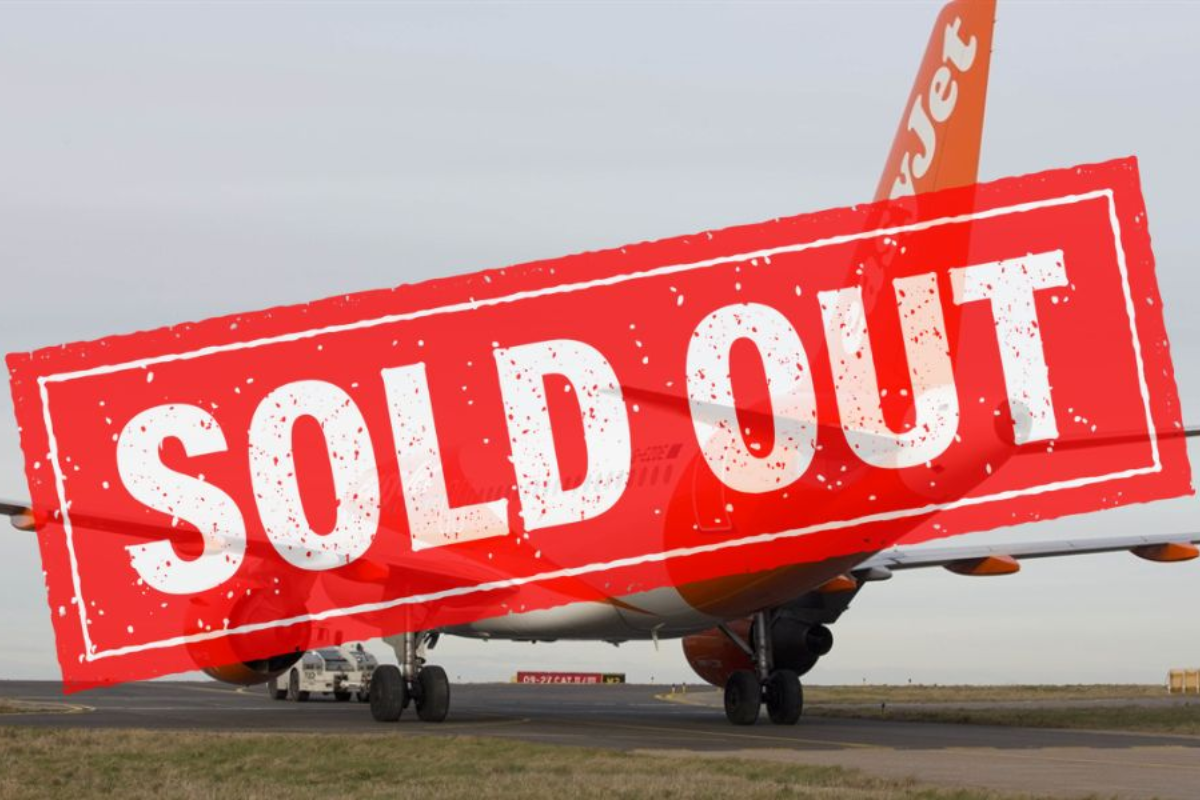
A flight showing no availability on Skyscanner or Google Flights is not necessarily sold out. It means that the platform's access to the airline's inventory, through its distribution system, shows nothing at the price tier it is searching.
Airlines can and do reopen cheaper buckets after initially closing them when demand is softer than expected. A fare that disappeared on an aggregator may still be available directly on the airline's website, because direct booking engines access live inventory in real time. Third-party platforms can lag by hours or by a full inventory cycle.
What to do: When a route looks sold out or jumps in price on an aggregator, check emirates.com, flydubai.com, or airarabia.com directly before giving up. The fare may still be there.
Stack Shoulder Days Within Peak Season
Peak season and off-peak season are broad labels. Within any peak week, specific departures carry structurally lower fares than others because airlines price by forecast passenger mix on each individual flight, not by month.
The clearest example for Dubai travelers: the actual day of Eid itself carries lower fares than the two days before. Most passengers have already departed. The seats on the holiday-day flight are harder to fill, so cheaper buckets stay open longer. The same logic applies to Christmas Day versus December 23rd, and Eid al-Adha itself versus the preceding Thursday.
What to do: If your schedule allows any flexibility during a holiday window, price the actual public holiday departure against the surrounding days. The gap is often significant enough to be worth adjusting plans.
Use ExpertFlyer to Stop Guessing on Award Space
ExpertFlyer is a subscription tool, approximately USD 10 per month, that surfaces actual fare class availability on airline booking systems. It shows whether the award inventory is open on a specific date before you call the Skywards line or open a live chat.
For travelers who use Skywards miles more than twice a year, this removes the guesswork entirely. You can see which dates have open low-bucket award inventory weeks in advance and plan accordingly, rather than spending time on hold to discover a date is blocked.
What to do: If you are a regular Skywards user, a one-month ExpertFlyer subscription before a major award booking pays for itself in time saved and better date selection.
The Dubai aviation market in 2026 gives travelers real leverage, a full-service global carrier, a low-cost carrier on the same Skywards program, multiple alternate airports within 90 minutes, and AI-driven pricing that moves in both directions. The travelers who consistently pay less are not the ones who got lucky. They are the ones who understand that a fare is a bucket, that groups trigger price jumps, that flight times carry more pricing signal than travel days, and that sold out on one screen is not sold out everywhere. Apply these in combination, and the system starts working for you rather than against you.
Also read:
 Ummulkiram Pardawala
 Shahba Mayyeri
 Shahba Mayyeri