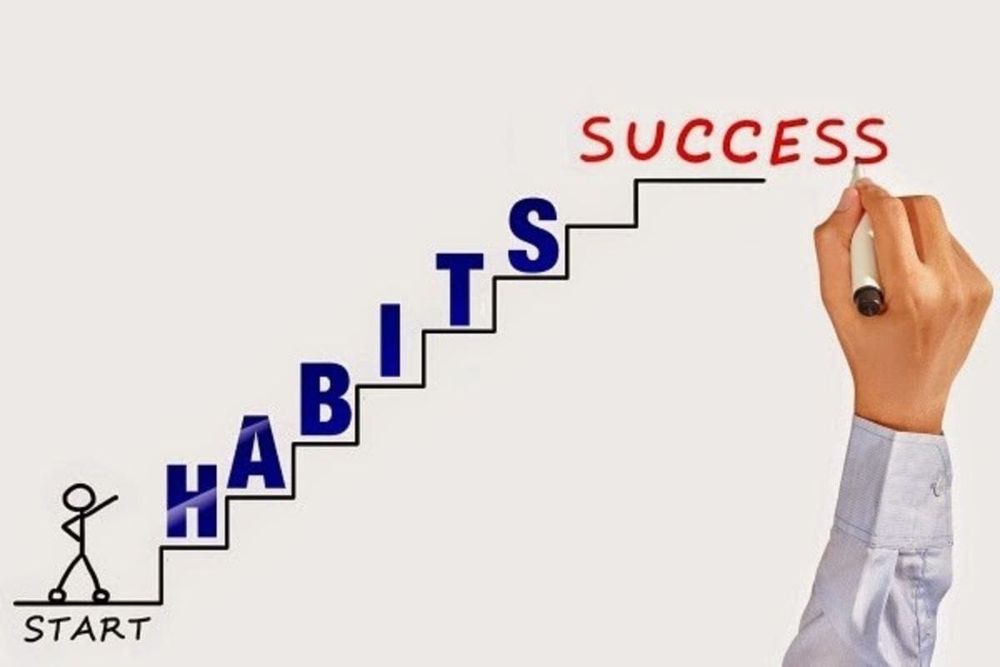
Successful founders do not stay successful by knowing everything. They stay successful by building a habit of learning, adjusting, and staying curious even when business gets busy. In fast-moving markets like Dubai, that ability matters even more because industries shift quickly, customer expectations rise fast, and new competitors appear all the time.
What sets strong founders apart is not just talent or confidence. It is the discipline to keep learning after the excitement of launch has passed. They read, observe, ask questions, test ideas, and pay attention to what is changing around them. Over time, those habits become part of how they think and how they lead.
Learning is not a one-time phase for founders. It is a working style. The most effective entrepreneurs treat it as a daily practice, not an occasional activity. They do not wait until they are stuck to seek answers. They learn before problems grow, so they can make better decisions with less panic.
Why learning matters so much for founders
A founder’s job changes constantly. One day it is sales, the next day it is hiring, and the day after that it is cash flow, customer service, or marketing. No one starts out knowing how to do everything well. Founders who keep learning are better able to handle that pressure because they stay open to improvement.
Learning also helps founders avoid stagnation. A business can seem healthy on the surface while slowly falling behind. Customer needs shift, competitors improve, and new tools become available. A founder who keeps learning is more likely to spot those shifts early and act on them.
There is also a mindset benefit. Learning helps founders stay humble. It reminds them that business success is not a fixed state. There is always more to understand, whether it is the market, the customer, the team, or the founder’s own leadership style.

They read with purpose
Many successful founders read regularly, but they do not read randomly. They choose material that helps them make better decisions, solve real problems, or think more clearly about the future. That may include business books, biographies, industry reports, trade publications, or articles from credible sources.
The key is not just reading for inspiration. It is reading with a purpose. A founder might be looking for ideas on pricing, management, customer psychology, marketing, or negotiation. A good book can influence how they run a business for years, but only if they pay attention to the lessons and think about how to apply them.
Founders who read well also tend to read selectively. They do not try to consume everything. They focus on material that is relevant to their stage of business. A founder just starting out may need books on decision-making, sales, and focus. A more established founder may need deeper thinking on systems, leadership, or scale.
They listen to customers carefully
One of the most valuable learning habits is listening closely to customers. Successful founders know that customers are often the best source of real-time education. Complaints, questions, objections, compliments, and repeat buying patterns all reveal something useful.
Instead of treating feedback as a nuisance, strong founders use it as data. They ask what people liked, what confused them, what stopped them from buying, and what made them return. This kind of listening helps them improve not just products, but also messaging, service, and delivery.
The best founders do not only listen when something goes wrong. They listen all the time. They read reviews. They notice what customers say in person and online. They pay attention to which comments repeat. Those repeated patterns often point to the business’s next improvement.
They learn from other founders
Founders do not need to learn only from books. They also learn a great deal from other business owners. Talking to peers exposes them to different ways of solving the same problems. It also reminds them that many challenges are normal.
This is one reason peer learning is so valuable. A founder can ask another founder how they handle hiring, pricing, conflict, time management, or expansion. The answer may not be identical to their own situation, but it can still offer perspective.
The most successful founders tend to be generous learners. They ask questions, compare notes, and stay open to advice without becoming dependent on it. They know that every business is different, but there is still a lot to learn from people who have faced similar decisions.
They reflect on mistakes instead of rushing past them
A founder who learns well does not treat mistakes as embarrassment. They treat them as information. That means taking time to ask what happened, why it happened, and what needs to change next time.
Reflection is a habit, not a mood. It often requires slowing down enough to review an outcome properly. Did a launch fail because the offer was weak, the timing was wrong, or the message was unclear? Did a team issue come from poor hiring, weak onboarding, or unclear expectations? The lesson is rarely obvious at first glance.
Founders who reflect well are usually less reactive. Instead of repeating the same errors, they build a better internal playbook. Over time, this becomes one of their biggest advantages. They do not just gain experience; they convert experience into insight.
They stay curious about their industry
A founder who stops paying attention to the industry will eventually drift. Successful founders keep an eye on trends, competitors, regulation, customer behaviour, and technology because all of these can shape the business landscape.
Curiosity does not mean obsessing over every trend. It means staying alert. What are customers asking for more often? What are competitors offering that you are not? What new tools are changing the way businesses operate? Which habits from other industries could be adapted to your own?
This kind of curiosity helps founders spot opportunities before they become obvious. It also keeps them from getting too comfortable. In a changing market, comfort can be dangerous. Curiosity keeps a business adaptable.
They turn learning into routine
The founders who keep learning are usually not waiting for free time. They make learning part of their routine. That might mean reading in the morning, listening to a podcast on the commute, taking notes after meetings, or setting aside a weekly review hour.
When learning becomes routine, it stops feeling like extra work. It becomes part of how the founder operates. The benefit is consistency. Small lessons add up over time, especially when they are repeated and applied.
A routine also protects learning from being pushed aside by urgent tasks. Founders are often overwhelmed by day-to-day demands. If learning is not built into the schedule, it will always be postponed. The best founders understand that growth depends on protecting time for thinking, not just doing.
They apply what they learn quickly
Learning only matters if it changes behaviour. Successful founders do not collect ideas just to feel informed. They test them. They try new approaches, observe results, and adjust again.
This could mean changing a sales script after reading about buyer psychology. It could mean altering a website message after hearing customer objections. It could mean rethinking staffing, pricing, or follow-up methods after a conversation with another founder. The point is to move from insight to action.
Quick application is powerful because it turns learning into momentum. Instead of waiting for the perfect strategy, founders experiment and improve as they go. That mindset helps them grow faster and stay flexible.
They stay open to being wrong
One of the hardest learning habits is also one of the most important: being willing to be wrong. Founders often have strong opinions, and confidence can be useful. But if confidence becomes rigidity, learning stops.
Successful founders know that markets can prove them wrong. Customers may respond differently than expected. A product idea may not land. A marketing message may not work. Instead of defending the original idea at all costs, good founders adjust.
Being open to being wrong does not mean lacking conviction. It means understanding that conviction should be backed by evidence, not ego. The best founders let results shape their thinking. That makes them stronger over time, not weaker.

They learn from different kinds of people
Many founders make the mistake of only listening to people who think like them. Successful founders widen the circle. They learn from customers, team members, mentors, competitors, suppliers, and even people outside their industry.
Different perspectives can reveal blind spots. A team member may notice something the founder misses. A supplier may explain a bottleneck. A customer may describe the business in a way that is more honest than the founder’s own description. These voices all help shape better judgment.
The more varied the input, the better the founder’s decisions tend to be. Learning from different people helps founders avoid echo chambers and develop a more realistic view of their business.
Why this habit matters more than ever
In a time when businesses can change quickly, the ability to keep learning may be one of the most valuable founder traits of all. It improves decision-making, sharpens strategy, and helps business owners stay resilient when things become uncertain.
It also makes founders better leaders. A founder who keeps learning is more likely to encourage curiosity in their team, stay open to feedback, and adapt without panic. That kind of leadership builds stronger companies.
In the end, successful founders are not the ones who know everything from the start. They are the ones who remain students of the business long after launch. They keep reading, listening, reflecting, testing, and improving. That is what turns learning into a real competitive advantage.
Also Read:
 Shahba Mayyeri
 Ummulkiram Pardawala
 Umema Arsiwala
 Shahba Mayyeri