
Somewhere around the second week of summer break, that initial excitement your child felt about no school and no homework starts to fade, and it gets replaced by the dreaded four words every parent knows too well: "I'm bored, what now?"
You've probably heard it a dozen times already, and the temptation to just hand over a tablet and call it a day is real. But summer boredom doesn't have to be a battle you fight every single afternoon. With a bit of planning and a handful of genuinely fun ideas up your sleeve, you can turn those long, unstructured days into something your kids actually look forward to, and maybe even something you enjoy too.
The good news is that keeping kids engaged doesn't mean turning every day into a scheduled activity or spending a fortune on camps and classes. It's more about mixing things up, tapping into what naturally excites your child, and building in just enough structure that the days have shape without feeling like school in disguise. So where do you actually start when you're staring down ten or twelve weeks of summer with a restless kid and a growing sense of dread?
Let's break it down into ideas that actually work.
Create a Loose Daily Rhythm, Not a Rigid Schedule
One of the biggest mistakes parents make with summer planning is either overscheduling every hour or having no structure at all, and both extremes tend to backfire. Kids actually thrive on a bit of predictability because it gives their day a sense of flow without making them feel boxed in. Instead of a strict timetable, try building a loose rhythm that includes a mix of active time, quiet time, creative time and free play, so your child knows roughly what to expect without every minute being accounted for. This kind of gentle structure also makes transitions easier, since a child who knows that outdoor play is followed by lunch and then some quiet reading time is far less likely to melt down when it's time to switch gears. The goal here isn't control, it's just enough shape to the day that boredom has less room to creep in.
Get Them Outside as Much as the Weather Allows
There's a reason outdoor play has stood the test of time as one of the best cures for boredom, and it comes down to the sheer variety of things a child can do once they're outside. Whether it's riding bikes around the neighborhood, setting up a water balloon fight in the garden, or simply letting them run around a park while you catch up with other parents, outdoor time naturally burns off energy and sparks imagination in ways that indoor activities often can't match. If the heat makes midday outings tricky, aim for early mornings or evenings when temperatures are more manageable, and look into shaded parks, community pools, or splash pads that let kids cool off while staying active. Even something as simple as a sidewalk chalk session or a scavenger hunt in the garden can turn an ordinary afternoon into something memorable.

Lean Into Their Current Obsessions
Every child goes through phases where they're completely fixated on something, whether that's dinosaurs, a particular cartoon, space or a specific sport, and summer is the perfect time to lean into that obsession rather than fight it. If your kid is currently obsessed with dinosaurs, plan a trip to a natural history exhibit, pick up a few dinosaur books from the library or let them build a dino diorama out of recycled materials on a rainy afternoon. If it's a sport they're into, sign them up for a short summer clinic or just spend an evening practicing together in the backyard. The reason this works so well is that kids are naturally more engaged and less likely to complain about boredom when the activity connects to something they already care about, so instead of coming up with generic ideas, ask them directly what they're excited about right now and build from there.
Set Up a Rotating Box of Screen-Free Activities
Rather than scrambling to think of something new every single day, put together a box or basket filled with screen-free activities that your child can dip into whenever they're at a loss for what to do. This could include things like building blocks, a deck of cards, coloring books, a jigsaw puzzle, simple science experiment kits or craft supplies like beads and pipe cleaners. The trick is to rotate what's in the box every week or two, because even the most exciting toy loses its appeal if it's been sitting in the same spot for a month straight. When a new item reappears after being tucked away for a while, it often feels fresh and exciting again, almost like a brand new toy, and that small psychological trick can save you from a lot of "I'm bored" moments.

Encourage Unstructured Free Play
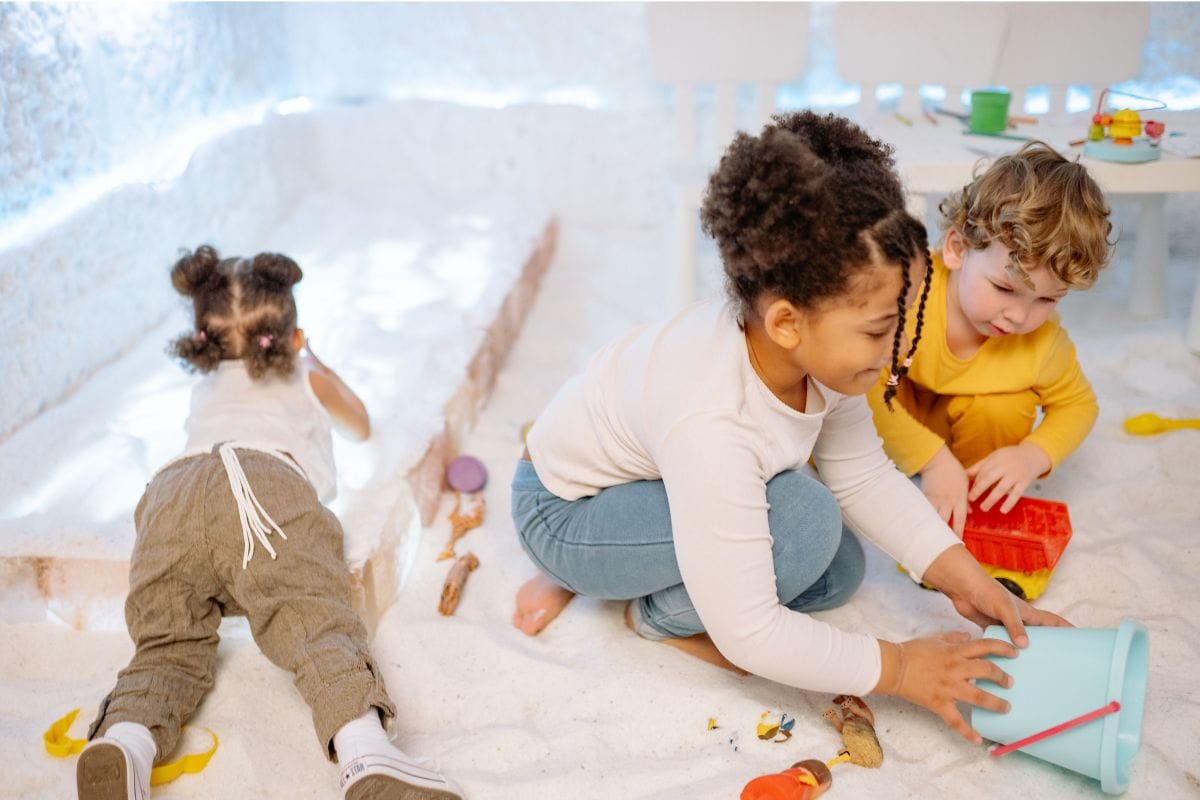
It might sound counterintuitive in an article about keeping kids busy, but one of the most valuable things you can do this summer is to resist the urge to fill every single moment with an organized activity. Unstructured free play, where your child is simply left to their own devices with some open ended toys or just their imagination, is where a lot of real creativity and problem solving happens. It might take a bit of initial grumbling and a few rounds of "there's nothing to do" before they settle into it, but kids who are given the space to get bored eventually find their own way to fill that time, and what they come up with is often far more inventive than anything an adult would have planned for them. Try setting aside at least an hour or two a day where there's no screen, no scheduled activity, and no parent stepping in to solve the boredom, just space for them to figure it out themselves.
Involve Them in Everyday Tasks and Chores
Kids often find genuine satisfaction in being included in adult tasks, even ones that seem mundane to us, so summer is a great time to bring them into the kitchen, the garden, or even simple household projects. Let them help wash vegetables, measure ingredients for a recipe or decorate cupcakes, and you'll likely find they stay engaged far longer than you'd expect. Gardening is another great option, since planting seeds and watching them grow over the summer gives kids a hands on project with a payoff they can actually see, and it teaches patience along the way. Even something like organizing their room, sorting old toys to donate, or helping wash the car can become a bonding activity rather than a chore if you frame it as something you're doing together rather than a task being handed down to them.
Plan a Few Bigger Outings to Break Up the Weeks
While the day to day activities matter a lot, having a few bigger outings sprinkled throughout the summer gives kids something to look forward to and helps break the weeks into more manageable chunks. This doesn't have to mean an expensive trip abroad, since even a day at a local water park, a visit to an aquarium, a museum with hands on exhibits or a family picnic at a new park can feel like a big deal to a child. Marking these outings on a calendar that your kid can see also builds anticipation, and counting down the days to the next adventure can actually make the quieter days in between feel less tedious, since there's always something on the horizon to look forward to.
Encourage Reading in Ways That Don't Feel Like a Chore
Getting kids to read during summer break can feel like an uphill battle, especially after a school year filled with assigned reading, but there are ways to make it feel less like an obligation and more like a treat. Let your child pick their own books based on what genuinely interests them, even if that means graphic novels or joke books rather than the classics you might have in mind, since the goal at this stage is simply to keep them engaged with reading rather than steering their taste. Setting up a cozy reading nook with cushions and good lighting, joining a library summer reading program if one is available, or even doing a family read aloud session in the evenings can all help make books feel like part of the fun rather than homework in disguise.
Mix in Some Learning Without Calling It Learning
Summer slide, where kids lose some of the academic progress they made during the school year, is a real concern for a lot of parents, but the fix doesn't have to involve worksheets or flashcards. Cooking together naturally involves math when you're measuring ingredients or doubling a recipe, a family game night with strategy games builds critical thinking, and even a simple road trip can turn into a geography lesson if you get them looking at maps and figuring out directions. Puzzle apps, building sets, and science experiment kits also sneak in learning while feeling entirely like play, and the key is to keep the focus on the fun of the activity itself rather than framing it as something educational, since kids tend to switch off the moment they sense they're being taught.
Let Them Get Bored Sometimes, and That's Okay
It's worth ending on this point because it often gets overlooked in the rush to keep kids constantly entertained. A little bit of boredom here and there isn't actually a bad thing, and in fact it plays an important role in helping children develop patience, creativity and the ability to entertain themselves without needing constant external stimulation. As tempting as it is to jump in with a new activity the moment your child complains they have nothing to do, sometimes the best response is to let that feeling sit for a bit and see what they come up with on their own. You might be surprised at how often a bored kid turns into a kid deep in an imaginative game twenty minutes later, all because you gave them the space to get there themselves.
Summer break doesn't need to be a nonstop lineup of activities to be a good one, and honestly, some of the best memories come from the simplest, least planned moments. What matters most is finding a rhythm that works for your family, mixing structured fun with plenty of free time, and staying open to letting your kids lead the way sometimes. Before you know it, the school bags will be back out and the routine will kick in again, so make the most of these slower, sunnier months while they last.
Also Read:
 Umema Arsiwala
 Ummulkiram Pardawala
 Shahba Mayyeri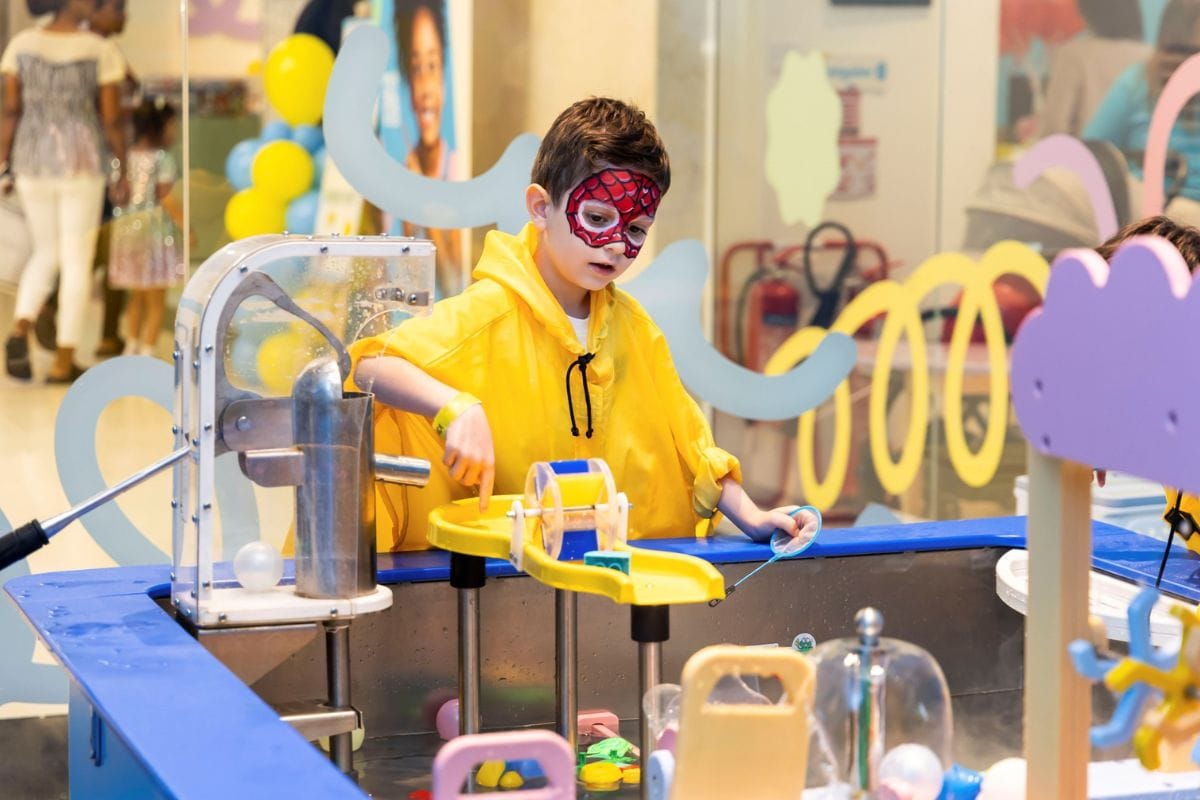
 Ummulkiram Pardawala
 Umema Arsiwala