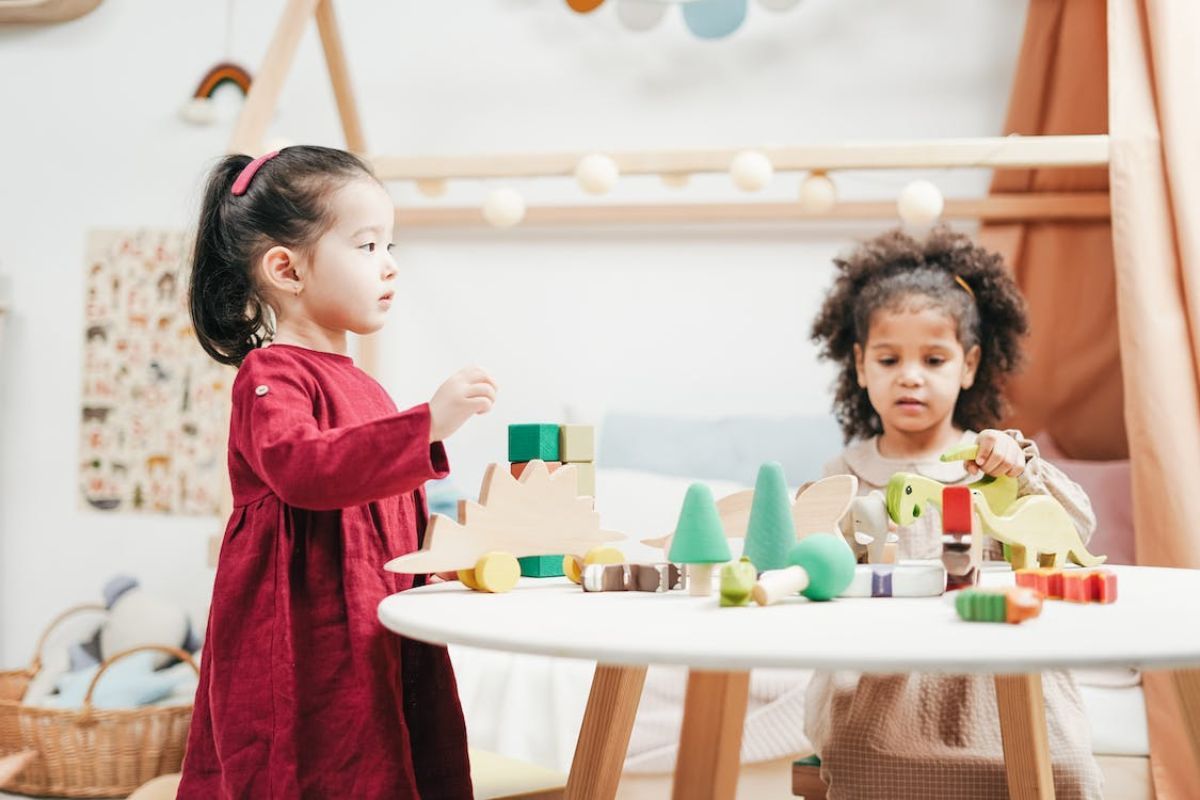
The school gates close, the timetable disappears and suddenly parents across Dubai are staring down eight or nine weeks of unstructured time with their children. For a long time, summer holidays were treated as a pause button, a stretch of months where learning simply stopped and resumed once the new academic year rolled around. That thinking has shifted considerably in recent years, and for good reason.
Employers, educators and parents alike are beginning to recognise that the skills children will need in the future, from adaptability and critical thinking to financial literacy and digital fluency, rarely get built inside a traditional classroom alone. Summer offers a rare window where children can experiment, fail safely and grow in ways the school calendar simply does not allow.
So the real question for busy professionals and business owners is not whether summer should be productive, but how to make it meaningful without turning a break into another rigid schedule.
Why the Old Idea of Summer No Longer Works
For decades, summer holidays were framed around rest and recreation, and while downtime still matters enormously, treating the entire break as empty space wastes an opportunity that few other periods in a child's year can offer. Term time is packed with curriculum targets, exams and extracurricular commitments that leave little room for genuine exploration.
Summer, by contrast, is unstructured enough that children can pursue interests that do not fit neatly into a subject box, whether that is coding a simple game, learning how to budget pocket money or figuring out how a small business actually runs.
Research on learning loss, often referred to as the summer slide, has shown that children who go weeks without any form of engagement can lose ground academically, particularly in numeracy. But the solution is not to recreate school at home. It is to use the freedom of summer to build competencies that school timetables rarely prioritise, things like independent problem solving, communication under pressure and the confidence to try something new without a grade attached to it.

The Skills That Actually Matter for the Future
Before parents start filling calendars with activities, it helps to understand which skills are genuinely worth nurturing. The World Economic Forum and various education bodies in the UAE have repeatedly pointed to a shift away from purely academic knowledge and toward a broader set of human and technical capabilities that will define employability in the coming decades.
Critical thinking and problem solving sit at the top of that list, since the ability to break down a complex situation and work through it logically applies to almost every profession, not just STEM careers. Digital and AI literacy follows closely behind, and this does not mean turning every child into a programmer, but rather making sure they understand how technology works, how to use it responsibly and how to evaluate information they come across online. Emotional intelligence and communication remain just as important as they have ever been, particularly as remote work and global teams make it necessary for people to collaborate across cultures and time zones. Financial literacy, something Dubai's own business community understands well, is another area where children are often left to figure things out on their own, despite it being one of the most practical skills they will ever use. Finally, adaptability and resilience, the capacity to handle change and setbacks without falling apart, has become one of the most sought after traits in any workplace, and summer is an ideal time to let children practise it in low stakes situations.
How Dubai Families are Approaching This Shift
Dubai's education landscape has responded to this changing mindset with a growing number of summer camps and programmes that go well beyond swimming lessons and arts and crafts, though those still have their place.
Robotics and coding camps have become particularly popular among parents who want their children exposed to logical thinking and technology in a hands on way rather than through passive screen time. Entrepreneurship focused programmes, where children pitch small business ideas or run a mock market stall, are also gaining traction, often run by organisations that understand the UAE's own culture of enterprise and innovation.
Some schools and community centres have introduced financial literacy workshops aimed at younger age groups, teaching basic concepts like saving, budgeting and the difference between needs and wants through games rather than lectures.
What ties these programmes together is a move away from passive consumption and toward active participation, where children are asked to build, create or solve rather than simply sit and absorb information.

Practical Ways Parents can Build Skills Without Overscheduling
Not every family has the time or budget for structured camps every week, and that is perfectly fine, because plenty of skill building can happen through everyday family life if parents approach it with a bit of intention.
- Involve children in household budgeting for a family trip or outing, letting them compare prices and make trade offs, which builds real financial reasoning far better than a worksheet ever could.
- Encourage a small project with a clear end goal, such as writing and illustrating a short story, building something with recycled materials or planning a weekend outing from start to finish, since projects with visible outcomes teach planning and follow through.
- Use travel, even short trips within the UAE, as a chance to talk through logistics, budgeting and problem solving out loud, turning ordinary decisions into teachable moments without making it feel like a lesson.
- Let children take on age appropriate responsibilities around the house, from managing their own daily schedule to helping plan a family meal, since independence in small doses builds confidence over time.
- Introduce screen time that is creative rather than purely consumptive, such as basic coding platforms, design tools or video editing apps, so that technology becomes something they shape rather than something they scroll through.
- Set aside unstructured free time deliberately, because boredom often pushes children toward creativity and self directed play, both of which are valuable skills in their own right.
None of these require significant expense or a rigid schedule, and most can be folded into a family's existing summer plans without much friction.
The Role of Parents and Employers in Making This Sustainable
For working professionals in Dubai, balancing demanding careers with a summer that genuinely benefits their children can feel like an uphill task, and this is where a bit of realism matters. Not every week needs to be packed with enrichment activities, and burnout among parents trying to orchestrate the perfect summer is a real concern that deserves acknowledgment. Some employers in the UAE have started offering more flexible summer arrangements, recognising that supporting employees through the school break ultimately benefits productivity and retention as well. Co working spaces and business hubs across the city have also begun experimenting with childcare friendly setups during peak summer weeks, a small but telling sign that the conversation around work and family balance is evolving. For business owners reading this, there is also a broader lesson worth considering: the same skills being nurtured in children during summer holidays, adaptability, financial literacy, communication and comfort with technology, are exactly the traits that make a strong future workforce, and investing in that development now is an investment that pays off well beyond the classroom.
As Dubai continues to position itself as a global hub for innovation and enterprise, the way families use their summers will increasingly reflect that ambition. Skills that once seemed optional, financial confidence, digital fluency, adaptability and independent thinking, are quickly becoming essential, and the earlier children get comfortable practising them, the better equipped they will be to navigate a job market that looks very different from the one their parents entered. Summer holidays, once seen purely as a break from learning, are turning into one of the most valuable stretches of the year for building the habits and mindsets that will serve children long after the new term begins. The families and communities that recognise this shift early are not just filling time productively, they are quietly preparing the next generation for a future that rewards exactly the kind of resourcefulness summer can teach.
Also Read:
 Shahba Mayyeri
 Umema Arsiwala
 Ummulkiram Pardawala
 HiDubai Newswire