Leaving home for a week or two feels simple until you start thinking about the details. The AC unit, the plants on the balcony, the cat, the mail piling up at the door. Summer travel season brings a specific set of risks here that don't apply in most other places: extreme heat, high humidity, and long stretches where nobody checks on the property. A small oversight, like a blocked drain or an AC set too high, can turn into a real problem by the time you get back.
This guide covers ten practical steps that address the local realities of leaving a home unattended in the UAE. None of it requires expensive equipment or drastic changes to your routine. It just requires a bit of planning before you head to the airport.
1. Set Your AC to Manage Humidity, Not Just Temperature
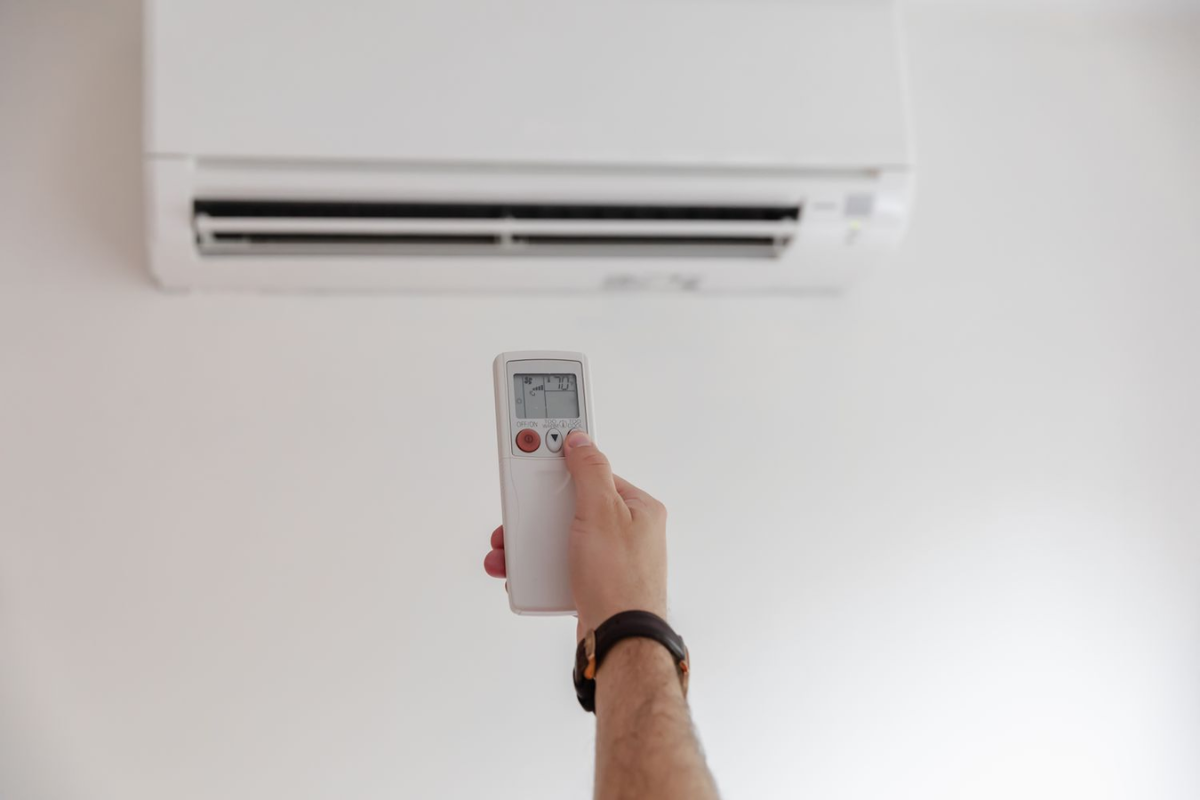
Turning the AC off completely while you're away seems like an obvious way to save on your DEWA bill, but it creates a real risk. Without any cooling, indoor humidity climbs fast, especially in coastal areas like Dubai Marina or JBR. High humidity encourages mold growth on walls, furniture, curtains, and leather goods within days.
Instead of switching the AC off, set it to a higher temperature, around 26-28°C, so it still runs occasionally and controls moisture in the air. If your unit has a dedicated dry or dehumidify mode, use that instead of full cooling. This uses far less energy than standard cooling mode while still keeping humidity in check.
For wooden furniture, leather sofas, and musical instruments, keep them away from direct sunlight through windows, since heat exposure over several days can cause warping or cracking. If you have a smart thermostat or a DEWA smart meter setup, check your usage remotely through the DEWA app so you're not surprised by the bill when you return.
2. Shut Off Water and Gas Where Appropriate
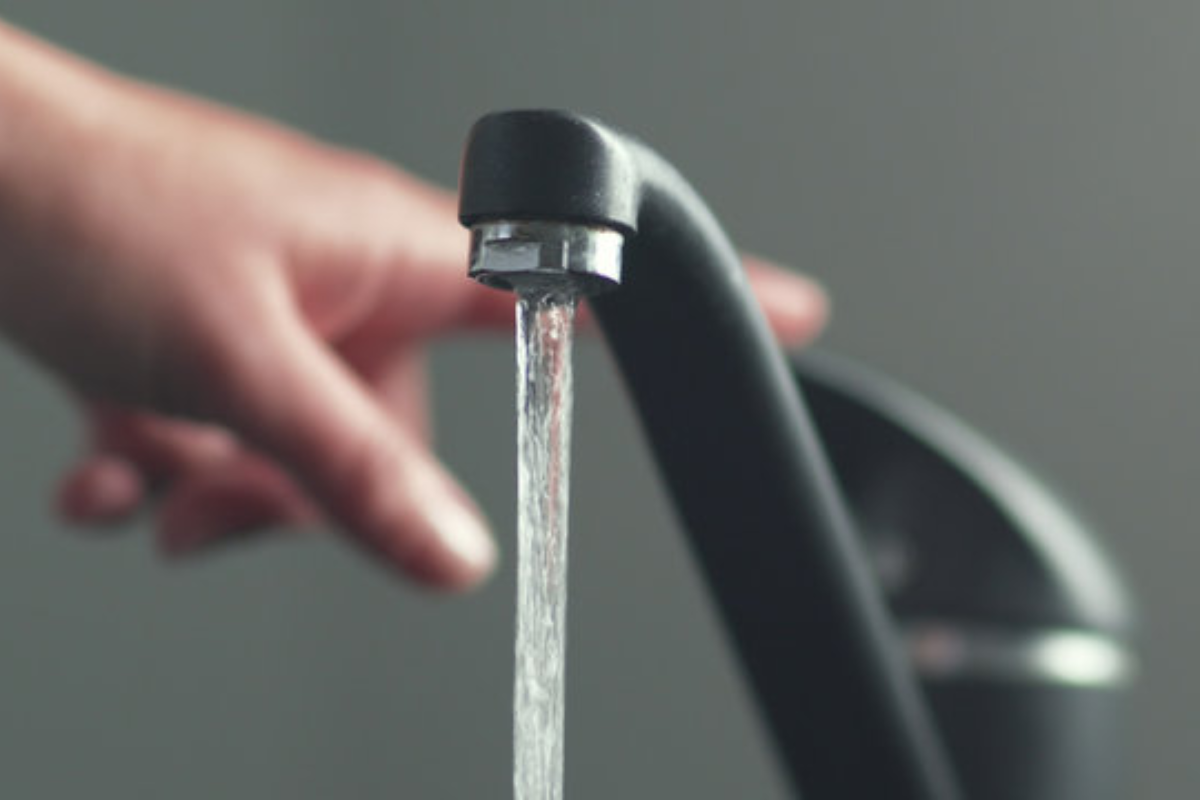
A leaking pipe while you're away for two weeks can cause serious water damage to your unit and potentially the ones below it. Before you leave, locate your main water shut-off valve, usually near the kitchen sink or in a utility cupboard, and consider turning it off if you'll be away for more than a week. This is standard advice from most building facilities teams in Dubai.
If you use bottled gas cylinders rather than a piped gas connection, turn off the valve at the cylinder itself, not just the stove knob. For apartments connected to a central gas supply, check with your building management on whether individual unit shut-off is possible or recommended.
Unplug non-essential appliances such as the microwave, toaster, kettle, and TV. This protects them from power surges, which are not uncommon during Dubai's summer storms, and reduces standby electricity draw. Leave the refrigerator running, but make sure it's not overloaded so air can circulate properly inside.
3. Set Up a Self-Watering System for Plants
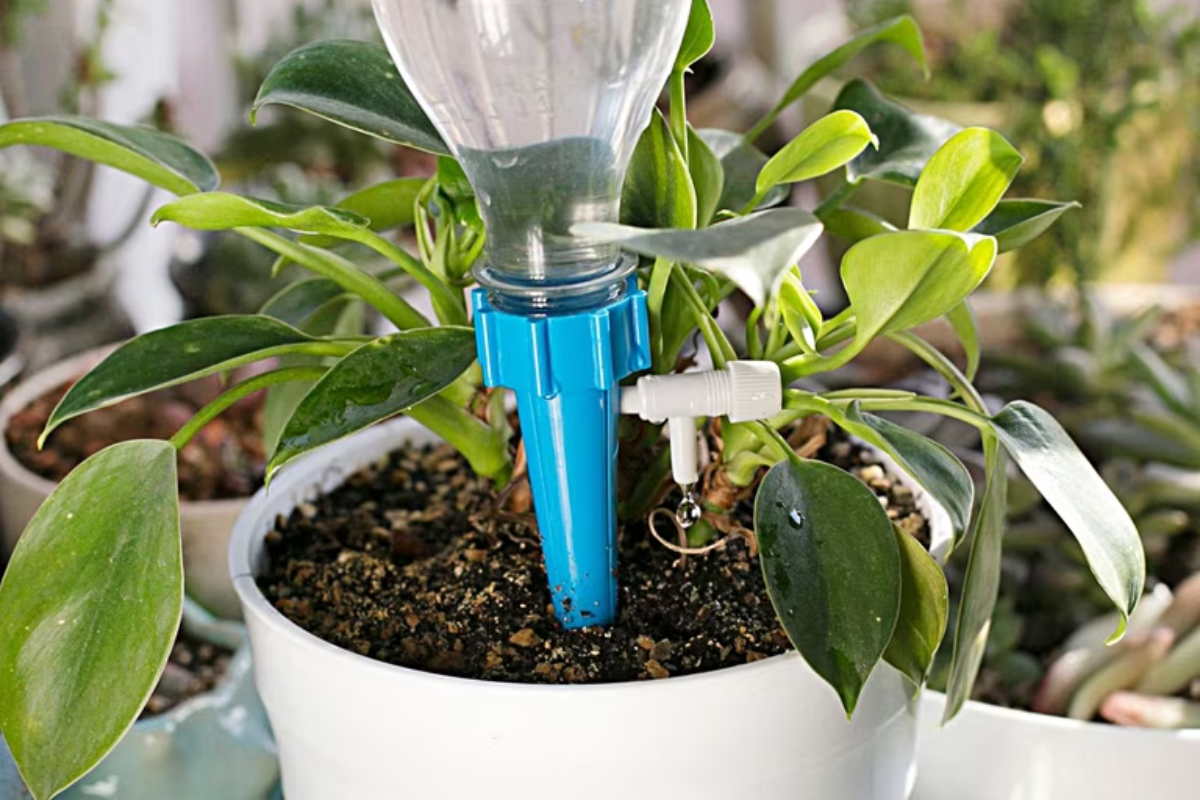
Outdoor plants and balcony gardens suffer quickly in summer heat, where daytime temperatures regularly pass 40°C. A simple self-watering setup can keep them alive for one to two weeks without a person present.
Fill large bottles with water, poke a small hole in the cap, and push them upside down into the soil near the plant's roots. Water will release gradually as the soil dries out. Alternatively, use a drip irrigation kit with a battery-operated timer, widely available at Ace Hardware or Carrefour, connected to an outdoor tap.
Move potted plants away from direct afternoon sun, ideally to a shaded corner of the balcony or just inside a window with filtered light. Group pots together, since plants placed close to each other retain moisture better than those spread out individually. For indoor plants, water them well before leaving and place a tray with wet pebbles underneath the pot to maintain some ambient humidity around the roots.
4. Arrange Licensed Pet Care With Clear Emergency Protocols
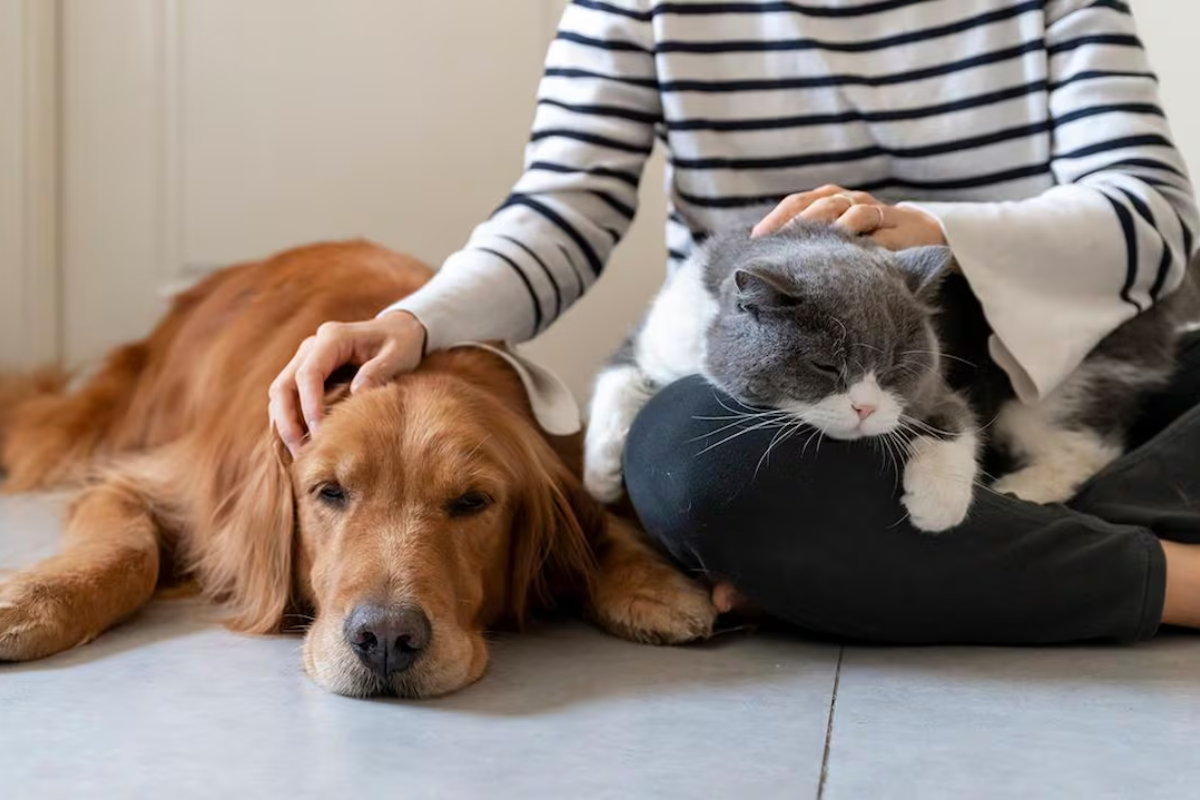
Pets need more attention than an automated feeder can provide, particularly in summer heat when hydration and comfort matter more than usual. If you're using a pet sitter or boarding facility, confirm they hold a valid license from Dubai Municipality or the relevant authority in your emirate, since unlicensed pet care services operate without the oversight needed to handle emergencies properly.
Ask your sitter or boarding facility about their protocol if your pet gets sick while you're away, including which veterinary clinic they'll use and whether they need written authorization from you for medical treatment. Provide a signed letter with your pet's medical history, current medications, and your vet's contact details, since this is often requested for boarding and can speed up any emergency treatment.
Automated feeders and water dispensers work well as a backup, not a replacement, for in-person visits. Choose a feeder with a battery backup in case of a power cut, and test it for several days before you leave to confirm it dispenses correctly. If your building or villa community has security patrols, let them know a pet sitter will be visiting so they aren't flagged as unauthorized entry.
5. Use Smart Automation and Coordinate With Building Security
Lights that stay off for two straight weeks signal an empty home more clearly than almost anything else. Smart plugs connected to lamps, set on a randomized timer, create the impression of normal activity in the evening. Many of these devices, such as those from TP-Link or Xiaomi, connect through Wi-Fi and can be controlled remotely through an app.
Smart locks let you avoid handing out physical keys, and most models log every entry with a timestamp, which is useful if you need to confirm exactly when a cleaner or pet sitter visited. Cameras placed at the main entrance are legal for monitoring your own property, but avoid pointing them at shared corridors or neighboring units, which raises privacy concerns under UAE data protection rules.
Inform your building's security desk or community management office that you'll be away, and provide the names of anyone authorized to enter, such as a cleaner or pet sitter. Most residential towers in Dubai keep a visitor log at the front desk, and having your absence on record helps security respond appropriately if something looks unusual.
6. Seal Drains and Store Food to Prevent Pests
An empty home with food residue left in the kitchen is an open invitation for cockroaches and ants, which are common year-round here and particularly active during warmer months. Before leaving, wipe down all counters, the inside of the microwave, and the stovetop to remove any grease or crumbs.
Store dry goods like flour, rice, and cereal in sealed containers rather than their original packaging, since pests can chew through cardboard and thin plastic bags. Empty the kitchen bin completely and take the bag with you to the communal disposal chute or bin room, rather than leaving it inside.
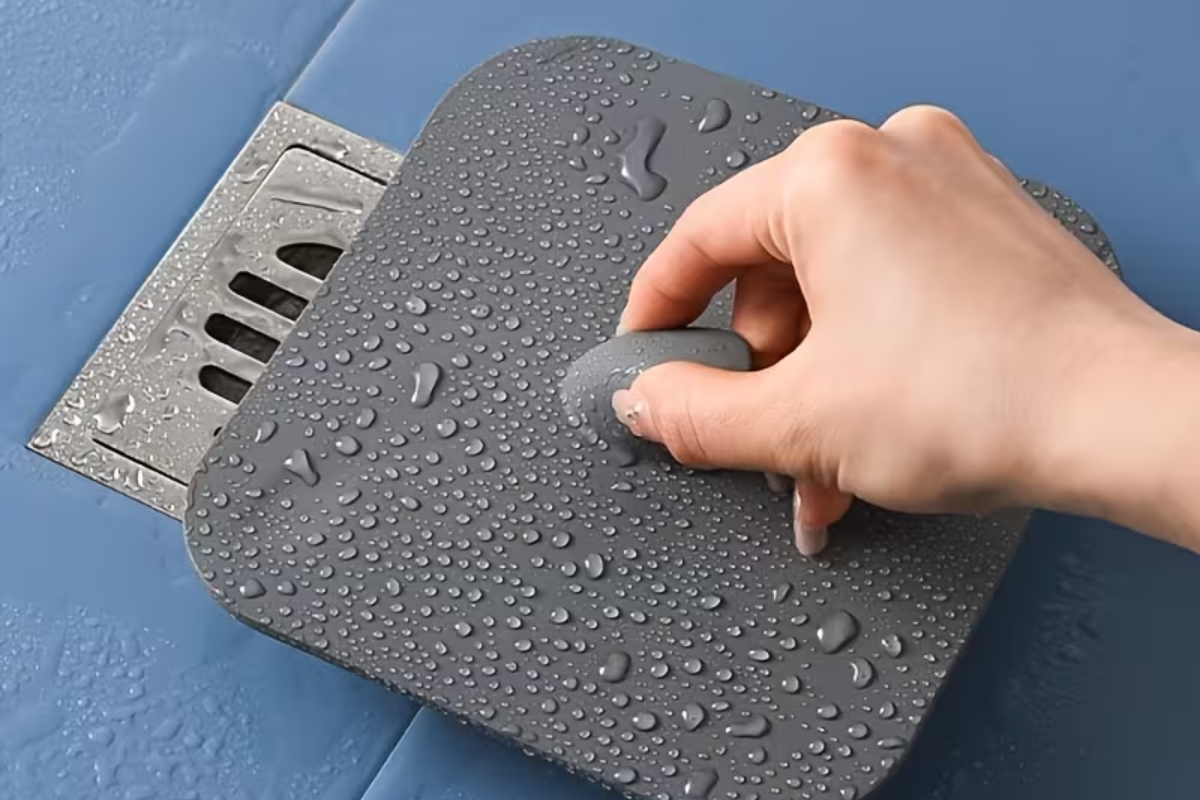
Pour a small amount of water down sink drains, the shower drain, and any floor drains before you leave. This maintains the water seal in the trap that normally blocks sewer gas and small pests from entering through the plumbing. In older buildings, this water seal can evaporate within a week in the heat, allowing odors and insects to come up through the drain.
7. Handle Deliveries, Mail, and Perishables Before You Leave
A stack of parcels outside your door tells anyone passing by that nobody's home. Pause any subscription deliveries, including grocery services, water bottle delivery, and meal kits, through their respective apps rather than assuming they'll notice your absence.
If you receive regular mail or documents, check whether your building has a secure mailbox with an individual lock, which is standard in most newer developments. For any deliveries you can't avoid, such as a package already in transit, ask a trusted neighbor to collect it or arrange redirection through the courier's app if that option is available.
Clear out your refrigerator and freezer of anything that will spoil, especially dairy, meat, and leftovers. A power outage during a summer storm, though uncommon, can spoil an overstocked fridge within hours once cooling stops. Leaving the fridge mostly empty also reduces the odor that builds up if there's ever an extended outage.
8. Set Up Emergency Access With a Trusted Contact
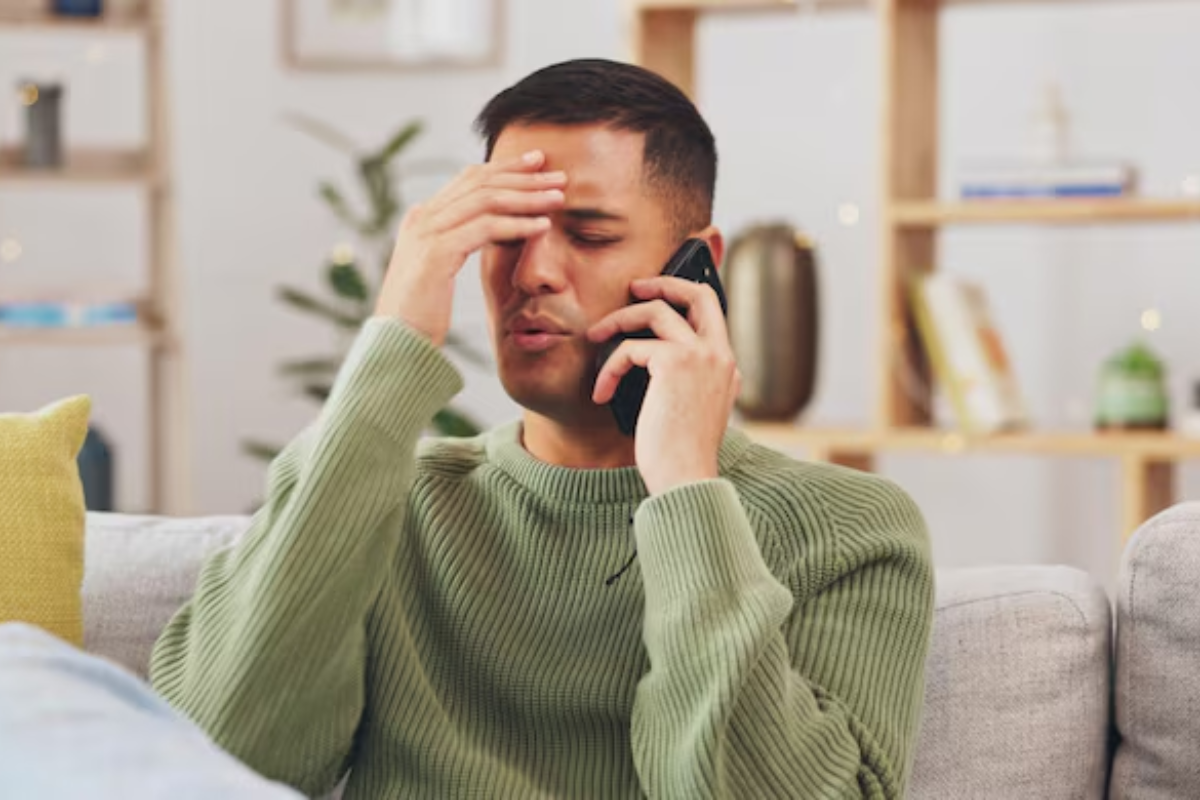
Someone needs a way into your home if something goes wrong while you're away, whether that's a burst pipe or a delivery you forgot to cancel. Choose one trusted friend, family member, or neighbor and give them a spare key or the code to your smart lock, along with your building's contact information.
Write down clear instructions for this person: where the main water valve is, how to reach building security, and who to call if the AC stops working. Include your landlord's or property manager's number as well, since some repairs, particularly anything involving building infrastructure, need to go through them rather than a private contractor.
Register this contact with your building's security desk if the community requires prior notice for anyone entering on your behalf. Most managed buildings in Dubai ask for this as standard practice, partly to protect residents and partly to maintain an accurate record of who has accessed each unit.
9. Store Documents Digitally and Confirm Your Insurance Coverage
Passports, Emirates ID copies, and property documents should never sit out in the open while you're away. Use a small home safe if you have one, or store originals with a trusted family member if you're uncertain about safety at home. Take clear photos or scans of these documents and store them in a secure cloud folder, so you can access them from your phone if the originals are lost or needed urgently while traveling.
Check your home insurance policy before you leave, particularly the clause on unoccupied properties. Many standard home insurance policies in the UAE include a limit on how many consecutive days a property can sit empty, often 30 days, before certain coverage, like water damage or theft, is affected. If you're traveling longer than this, contact your insurer to confirm whether you need to notify them or adjust your policy temporarily.
Keep a copy of your insurance policy number and your provider's emergency contact line saved on your phone, along with photos of any high-value items in your home, such as electronics or jewelry, for reference if you ever need to file a claim.
10. Do a Final Walk-Through Before You Leave
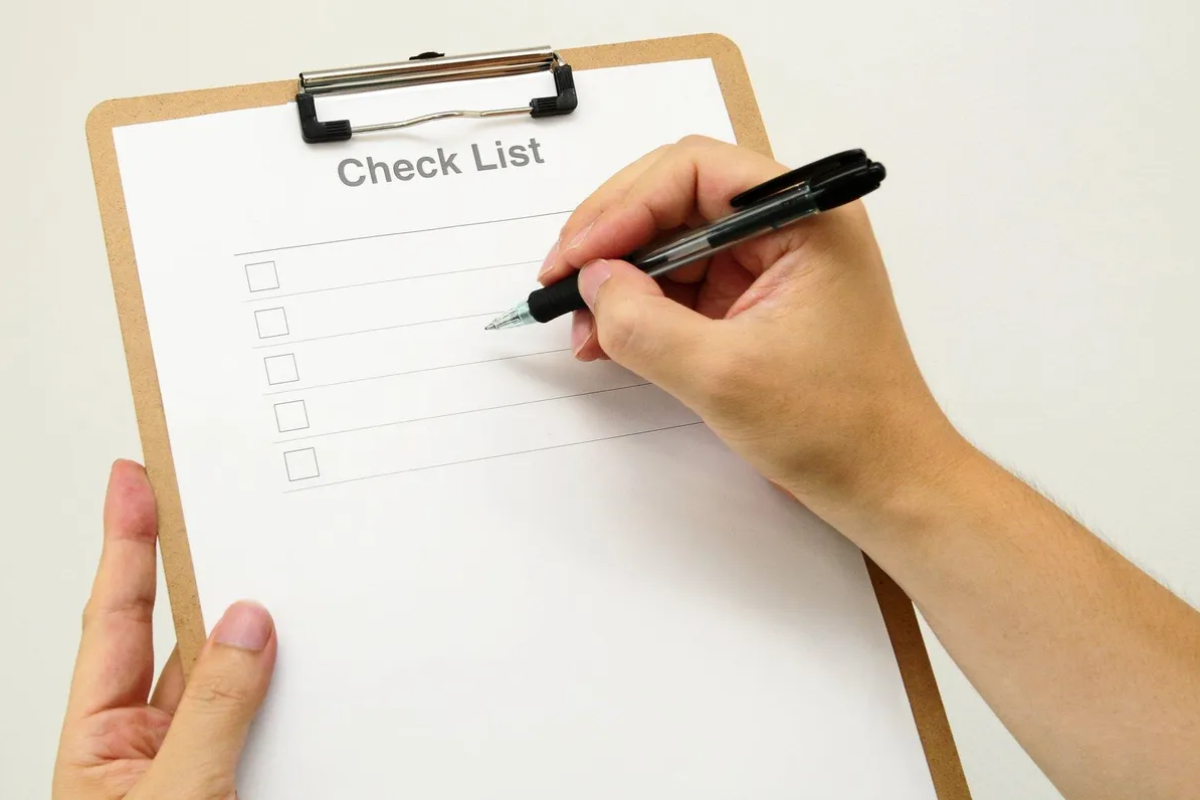
Once everything above is done, walk through your home one last time with a short mental checklist. Confirm the AC is set to the right temperature, not switched off entirely. Check that the stove is off, taps are closed, and the main water valve is shut if you're following that step. Look at each window and balcony door to make sure they're locked, not just closed.
Check that plants have been watered and placed somewhere shaded. Confirm the fridge is cleared of anything perishable and the kitchen bin is empty. Test your smart lock or double-check that your spare key has been handed to your trusted contact. Send a quick message to your building's security desk confirming your departure dates and who's authorized to enter.
This final pass takes about ten minutes and catches anything you might have rushed through earlier while packing.
Protecting your home while traveling comes down to a handful of practical steps: manage humidity rather than eliminating cooling entirely, secure water and gas connections, keep pests out with basic cleaning and drain maintenance, and make sure a trusted person has both access and clear instructions. None of these steps take much time individually, but together they reduce the chance of coming home to a problem that could have been avoided.
Building a simple pre-travel routine, one you follow every time you leave for more than a few days, removes the guesswork and lets you actually relax on your trip instead of wondering what's happening back home.
Also read:
 Shahba Mayyeri
 Umema Arsiwala
 Umema Arsiwala