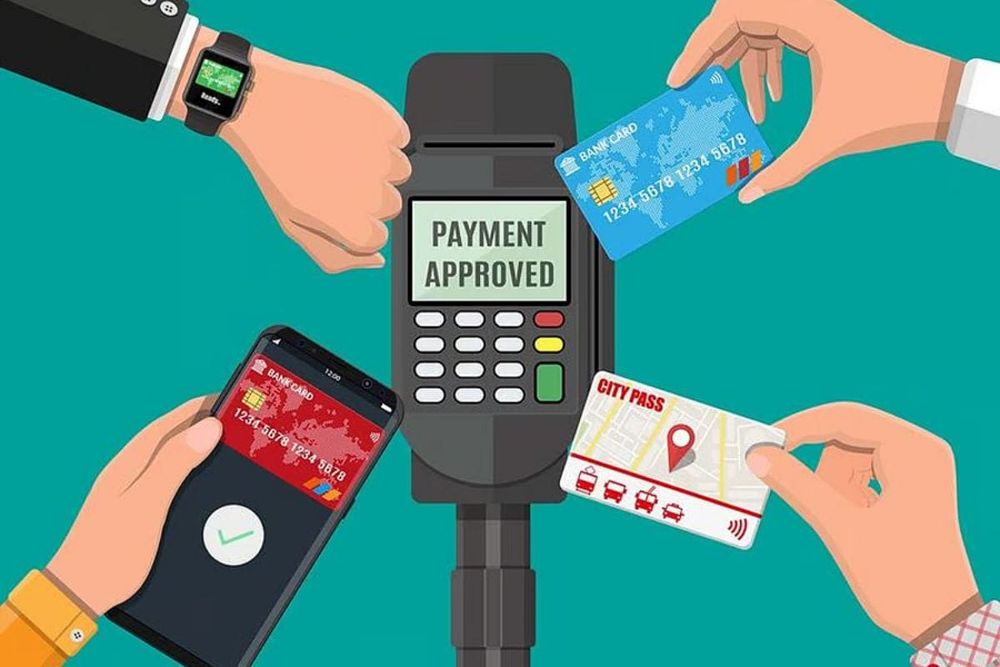
The transition of an economic ecosystem from physical currency to digital liquidity is frequently described as an organic evolution driven by consumer convenience. However, in the United Arab Emirates, this paradigm shift has been accelerated by decisive, state-level regulatory policy. The launch of the Dubai Cashless Strategy under the umbrella of the Dubai Economic Agenda (D33) has shifted a long-standing consumer habit into a strict deadline-driven commercial mandate.
With the formal government objective requiring ninety percent of all financial transactions across both public and private sectors to be digital by the end of 2026, the retail sector is standing at a historic structural crossroads.
For traditional brick-and-mortar retailers, the rapid marginalization of banknotes and coins is not merely a change in consumer checkout preferences. It represents a fundamental restructuring of corporate cash flow mechanics, working capital management, overhead allocations, and bottom-line profit margins.
The Death of Instant Liquidity: Redefining Working Capital Cycles
For decades, small to medium retail enterprises relied on the instant, frictionless nature of cash sales to maintain daily operational agility. Physical currency handed across a countertop provided immediate capital. This cash could be instantly deployed to settle vendor invoices, pay day-laborers, or fund immediate, ad-hoc inventory purchases without waiting for a bank intermediary.
The enforcement of the ninety percent cashless mandate systematically dismantles this legacy reliance on immediate liquidity.
When a consumer taps a smartphone, a credit card, or an instant payment system like the UAE Aani platform at a point-of-sale terminal, that capital does not immediately land in the merchant's operational checking account. Instead, the fund enters a complex settlement pipeline managed by payment gateways, acquiring banks, and clearinghouses.
Depending on the specific merchant service agreement, bank holiday schedules, and the sophistication of the backend payment rail, transaction settlement windows can range anywhere from twenty-four hours to four business days.
This delay introduces a structural lag into the retailer’s cash flow cycle. Businesses that historically operated on tight daily margins must now maintain higher working capital cash reserves just to bridge the gap between processing a digital sale and receiving the cleared funds into their corporate accounts.
The Digital Tax: Quantifying Interchange Fees and Fee Erosion
While digital cash flow reduces the security risks and human errors associated with counting, storing, and transporting paper currency, it introduces a permanent, variable cost layer known as merchant discount rates or transaction processing fees. Every tap, swipe, or QR scan extracts a toll from the retailer's top-line revenue.
For ultra-low-margin retail segments, such as boutique grocery stores, small cafes, and wholesale distributors, a two percent to three and a half percent payment processing fee can consume up to thirty percent of the business’s net profit margin.
To mitigate this profit erosion, the Dubai Cashless Strategy includes specific government provisions aimed at gradually reducing digital payment acceptance fees over the next four years, encouraging banks and fintech providers to lower barriers for merchants.
Additionally, initiatives like the Central Bank of the UAE domestic card scheme, Jaywan, and the adoption of the Digital Dirham are designed to provide localized, lower-cost clearing alternatives to international card networks.
Despite these incoming regulatory reliefs, traditional retailers are forced to re-engineer their product pricing architectures today. Merchants must either absorb the processing fees as a fixed operational cost or pass the premium onto the end consumer, a delicate balancing act in a highly competitive market.

Administrative Transformation: The Elimination of Cash Handling Costs
Conversely, the forced migration to a cashless ecosystem provides a massive structural benefit by wiping out the heavy, invisible overhead costs directly tied to handling physical money. Managing a cash-based retail enterprise requires significant human labor and administrative security protocols.
The Cash Handling Expense Matrix:
• Cash Management Costs: Staff auditing hours + terminal float errors + secure transport fees
• Digital Management Costs: POS licensing + transaction percentages + cloud infrastructure fees
Employees spend cumulative hours every week opening cash registers, reconciling end-of-day terminal receipts, managing small change floats, and auditing physical discrepancies caused by human error or internal shrink. Furthermore, high-volume merchants must pay for secure vault infrastructure, commercial cash-deposit safes, and premium armored car transport services to securely move physical currency to bank deposits.
By automating the transaction lifecycle through digital ledgers, these hidden expenses are instantly wiped out. Digital accounting platforms integrated directly with the point-of-sale terminal enable automated, real-time balance reconciliation. This automation minimizes accounting errors, eliminates the risk of counterfeit currency, and allows retail business owners to reallocate human labor away from manual counting and toward active, revenue-generating customer service roles.
Micro-Marketing Opportunities: Monetizing Transaction Data
One of the most valuable, transformative side effects of moving from cash liquidity to digital cash flow is the sudden generation of clean, first-party data assets. Cash transactions are completely anonymous. A customer walks in, pays with a fifty-dirham note, leaves with an item, and the retailer gains zero insight into that consumer's identity, shopping habits, or lifetime value.
Digital wallets and tokenized transactions fundamentally change this relationship, turning a basic transaction into a rich source of business intelligence.
When payments move through integrated digital ecosystems, retailers gain visibility into real-time dashboards that track spending patterns with immense precision. Merchants can analyze average transaction values, transaction frequencies, peak purchasing hours, and product affinity groupings.
This structural shift empowers local retailers to abandon broad, expensive, and speculative advertising campaigns in favor of hyper-targeted micro-marketing. By integrating loyalty programs directly into the mobile payment flow, merchants can instantly trigger automated rewards, personalized discounts, and custom upsell offers based on the customer’s actual historical behavior.
This data-driven approach dramatically lowers customer acquisition costs and boosts repeat foot traffic, transforming a transaction endpoint into a powerful tool for sustainable business growth.
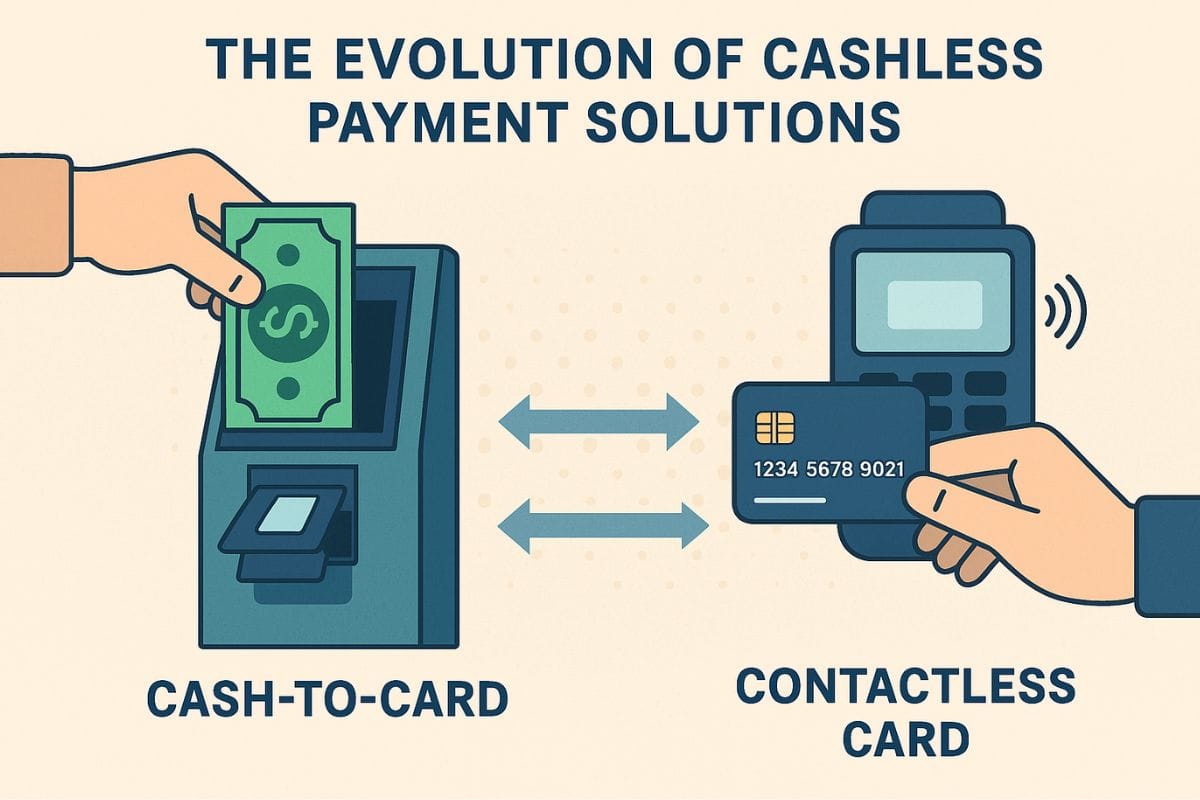
The Capital Accessibility Leap: Digital Footprints as Collateral
For small and medium retail enterprises across Dubai, securing expansion capital or short-term credit lines from traditional commercial banking institutions has historically been an uphill battle. Traditional bank underwriting relies heavily on static balance sheets, audited financial reports, and physical collateral assets, requirements that lean, independent, or newly founded retailers rarely possess.
The transition to a verified, ninety percent digital cash flow model creates a completely alternative credit underwriting infrastructure.
A business that processes thousands of verified transactions every month via digital point-of-sale systems builds an unalterable, transparent, and highly predictable digital revenue footprint. Regional fintech firms, alternative credit providers, and progressive digital banks use these real-time payment streams to offer structured merchant cash advances and flexible working capital loans.
Instead of demanding physical real estate as collateral, modern lenders can analyze a retailer's daily digital sales volume with algorithmic precision. Loans can be automatically approved based on digital transaction histories, with repayments dynamically tied to a small, pre-agreed percentage of the merchant's future daily digital sales.
This democratizes access to institutional capital, allowing agile retail operators to quickly secure funding to finance bulk inventory orders, fund seasonal expansions, or upgrade retail premises without navigating months of bureaucratic paperwork.
Future Proofing Retail Infrastructure for a Digital Society
The 2026 deadline established by the Dubai Cashless Strategy is not a distant, theoretical concept. It is a rapidly approaching commercial reality that demands immediate infrastructure modernization. Merchants who continue to rely on legacy payment terminals risk experiencing significant customer churn as consumer expectations pivot entirely toward friction-free, contactless interactions.
To survive and thrive in this cash-light economy, traditional retailers must execute a strategic audit of their point-of-sale infrastructure. This involves deploying advanced Near Field Communication terminals capable of processing not just traditional plastic debit cards, but also biometric palm-vein recognition, instant QR payments, and cloud-based mobile wallets.
Ultimately, the national cashless target should not be viewed as an aggressive regulatory burden, but as a massive economic catalyst. While the structural shift requires merchants to carefully recalibrate their short-term working capital timelines and manage transactional fees, the long-term rewards are undeniable.
By embracing a transparent, secure, and data-rich digital cash flow model, Dubai’s traditional retail sector can permanently shed legacy operational inefficiencies, unlock alternative avenues of capital investment, and position itself at the global forefront of modern digital commerce.
Also Read:
 Shahba Mayyeri
 Umema Arsiwala
 Maryam Pervez
 Ummulkiram Pardawala