In the global corporate landscape, professionals are conditioned to optimize the visual and auditory elements of business. Executives spend thousands of dollars on tailored suits, invest in premium timepieces, refine their vocal delivery for high-stakes presentations, and meticulously design boardroom slide decks. The assumption is that business decisions are driven entirely by logical data points, visual authority, and strategic negotiation.
But when you step into the premium commercial ecosystem of Dubai, you enter a marketplace where transactions are heavily influenced by a completely different sensory channel. In this city, the most potent tool of corporate persuasion is entirely invisible.
To walk through the glass corridors of the Dubai International Financial Centre, sit in on a venture capital pitch in Downtown Dubai, or negotiate a joint venture over coffee in a Jumeirah lounge is to experience a masterclass in olfactory branding. Fragrance is not treated as a superficial grooming afterthought in the region. Instead, it operates as a sophisticated, culturally deeply rooted dialect of power, trust, and executive presence.
Understanding the subconscious science of scent is not just a fascinating cultural nuance; it is a vital commercial requirement for any professional looking to navigate the local B2B landscape successfully.
The Cultural Heritage of Scent as an Identity Metric
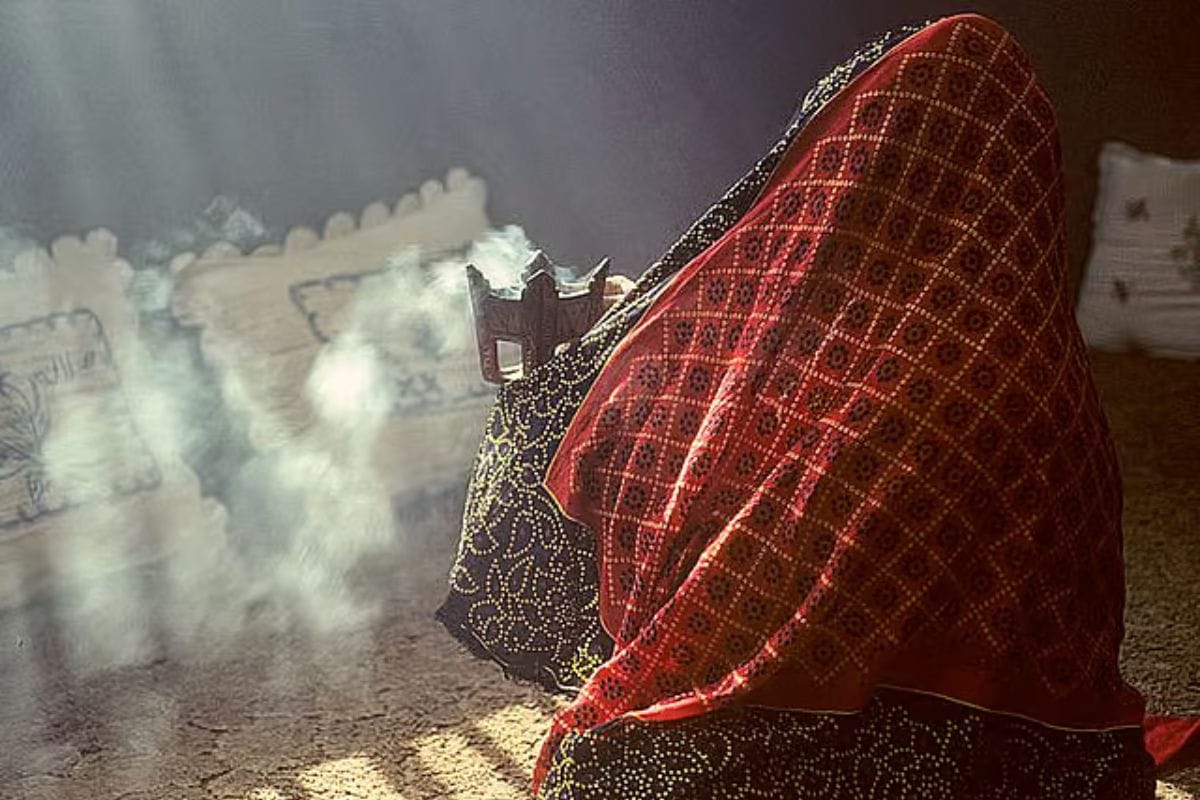
To comprehend why fragrance holds such an aggressive grip on the modern Dubai business ecosystem, one must first look past contemporary corporate trends and examine the deep heritage of the region. In the Arabian Peninsula, perfumery is woven tightly into the historical fabric of daily life, hospitality, and social status. Historically, welcoming guests with burning bukhoor (scented wood chips) or offering precious oils like oud, rose, and amber was a mandatory ritual of respect, hospitality, and honor.
In the modern corporate evolution of Dubai, this heritage has seamlessly transitioned from the majlis to the executive boardroom. Local professionals do not view perfume as a cosmetic tool used to mask odors or simply smell pleasant. They view it as a direct extension of their personal identity, an olfactory signature that communicates their family heritage, their attention to detail, and their structural station within the business hierarchy.
When a local executive wears a highly concentrated, pure formulation of distilled oud, they are projecting an atmospheric aura of permanent presence, stability, and generational capital. It tells everyone in the room, long before a single word is spoken, that the wearer is anchored by deep roots, refined taste, and unshakeable confidence.
The Subconscious Architecture of Trust and Deal Velocity
Beyond the cultural prestige, the reliance on scent in Dubai business culture aligns perfectly with modern neuroscience. The human sense of smell is the only sensory system that bypasses the logical processing centers of the brain and connects directly to the amygdala and hippocampus, the precise regions responsible for generating emotion, formatting memories, and modulating trust.
In a high-density, fast-moving business metropolis where deals are fiercely competitive, creating an immediate, subconscious sense of safety and rapport is essential. This is where olfactory strategy becomes a powerful commercial differentiator.
When an entrepreneur enters a meeting smelling of a carefully balanced, high-end niche fragrance, it triggers a positive visceral reaction in their counterpart. It signals high social intelligence and deep respect for the meeting environment.
Conversely, entering a premium business environment wearing a generic, synthetic, mass-market drug store cologne, or worse, displaying no scent at all, is frequently interpreted as an implicit lack of corporate polish and self-respect. In a marketplace where personal relationships are the ultimate currency, the absence of an olfactory identity can subtly communicate that an individual is transactional, unprepared, and disconnected from the regional corporate culture.
The Architecture of Scent: Ambient Olfactory Branding in Commercial Real Estate
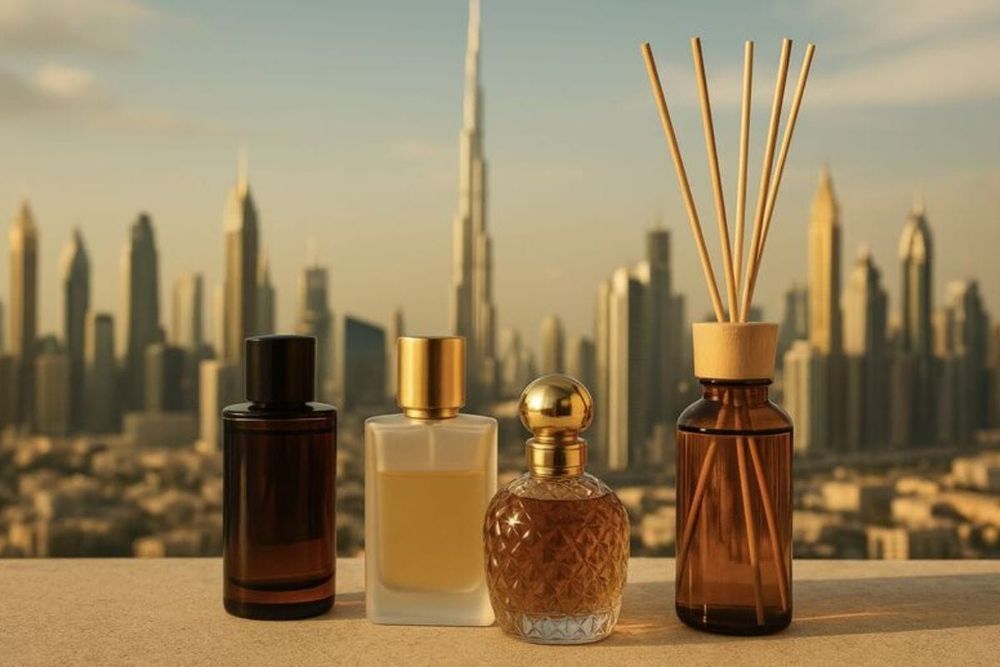
The corporate utilization of fragrance in Dubai extends far beyond personal grooming; it is a fundamental element of luxury commercial real estate design and premium asset management. Walk into any five-star corporate hotel lobby, premium co-working space, or tier-one banking headquarters in the city, and you will immediately notice a distinct, proprietary ambient scent diffused perfectly through the climate-control systems.
Property developers and corporate occupiers understand that ambient scent can manipulate consumer behavior, lower anxiety levels, and increase the perceived value of a service. In high-pressure financial environments where deals are complex and multi-layered, introducing calming yet empowering notes of warm sandalwood, crisp white tea, or deep leather can help lower the psychological defenses of negotiators.
These custom ambient blends are meticulously engineered to create a specific emotional anchor. When a client associates a highly successful, smooth business transaction with the specific olfactory profile of a particular private office or lounge, that spatial memory is permanently locked in. Every time they return to that space and breathe in that specific scent, their subconscious automatically triggers feelings of security, prestige, and commercial alignment.
Layering and the Modern Global Corporate Fusion
As Dubai has grown into a diverse, multicultural melting pot of global talent, the olfactory landscape has undergone a fascinating evolution. The modern boardrooms of the city are no longer dominated solely by traditional, heavy Eastern notes. Instead, the current corporate trend involves a highly sophisticated practice known as fragrance layering.
Modern professionals, both local and international, have mastered the art of combining traditional regional oil bases with contemporary, minimalist Western Eau de Parfums. An executive might apply a subtle, concentrated base of white musk or light cambodian oud directly to their pulse points, and then layer a crisp, fresh, French iris or citrus-forward scent over it.
This custom juxtaposition mirrors the very essence of Dubai’s economic strategy: a flawless fusion of deep traditional values with forward-thinking, global modernity. It creates an incredibly unique, multi-layered olfactory trail that is highly memorable without being overbearing, perfectly suited for long hours spent in air-conditioned boardrooms.

Olfactory Protocol: Navigating the Scent Rules of the Gulf
For international professionals looking to operate effectively within Dubai’s business ecosystem, mastering olfactory protocol is just as critical as understanding local corporate tax structures or digital marketing strategies. To harness the power of fragrance without committing a cultural faux pas, several key guidelines should be seamlessly integrated into your professional routine:
- Prioritize Longevity and Concentration: Given the high outdoor temperatures of the region, standard Eau de Toilettes evaporate far too quickly. Elite professionals exclusively opt for Eau de Parfums, Extraits de Parfum, or concentrated perfume oils (attars) that retain their integrity across a long corporate day.
- Avoid Over-Projection in Enclosed Spaces: While fragrance is celebrated, suffocating a small boardroom with an overly aggressive, heavy scent is considered poor manners. The goal is to create a personal scent bubble that is discovered by those within arm's reach, rather than announced to the entire room before you arrive.
- Respect Gender Fluidity in Scent: In Western corporate cultures, floral, sweet, and deep rose notes are traditionally marketed exclusively to women. In the Gulf, rose, heavy amber, and intense jasmine are worn proudly by male executives, symbolizing high status, confidence, and classic refinement.
The Lasting Business Impression
Ultimately, the preoccupation with fragrance in Dubai’s business culture is a reminder that commerce will always remain an inherently human endeavor. No matter how advanced our predictive algorithms become, or how many transactions shift to digital channels, the actual execution of a high-value B2B partnership will always hinge on how individuals make each other feel during a physical handshake.
By taking the time to understand, respect, and master the silent variable of fragrance, a professional demonstrates that they are not merely dropping into the market to extract short-term profit. They signal that they respect the rich, sensory-driven heritage of the region and possess the emotional intelligence required to operate at the highest levels of local society.
In a city defined by its glittering visual scale and rapid economic progress, it is often the quietest, most invisible details that leave the deepest impressions, proving that in the high-stakes boardrooms of Dubai, the right fragrance can function as the ultimate, subconscious closer.
Also Read:
 Ummulkiram Pardawala
 Umema Arsiwala
 Ummulkiram Pardawala