A practical guide for Dubai residents weighing the real numbers behind going electric or hybrid.
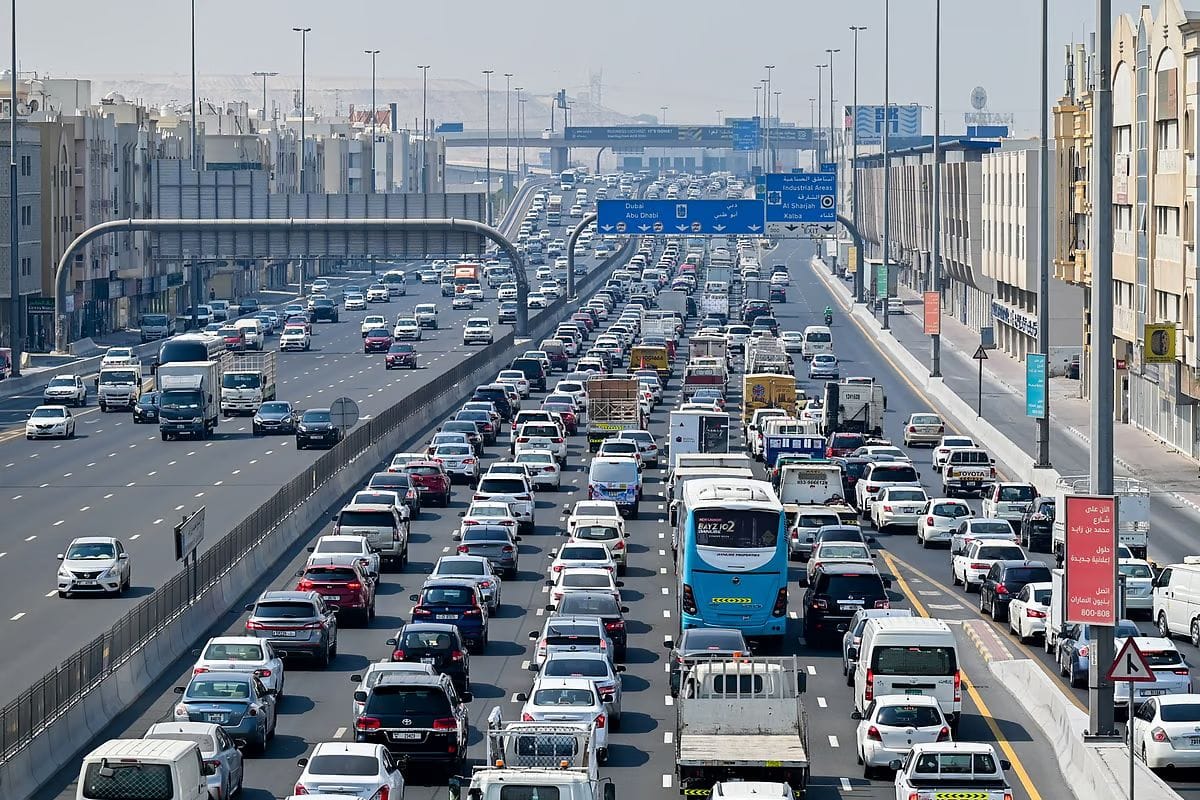
Fuel prices in the UAE jumped sharply in April 2026. Special 95 is now AED 3.28 per litre. Super 98 sits at AED 3.39. Diesel has climbed to AED 4.69. For anyone filling up a mid-size petrol car two or three times a week, the monthly fuel bill has become a line item that is hard to ignore.
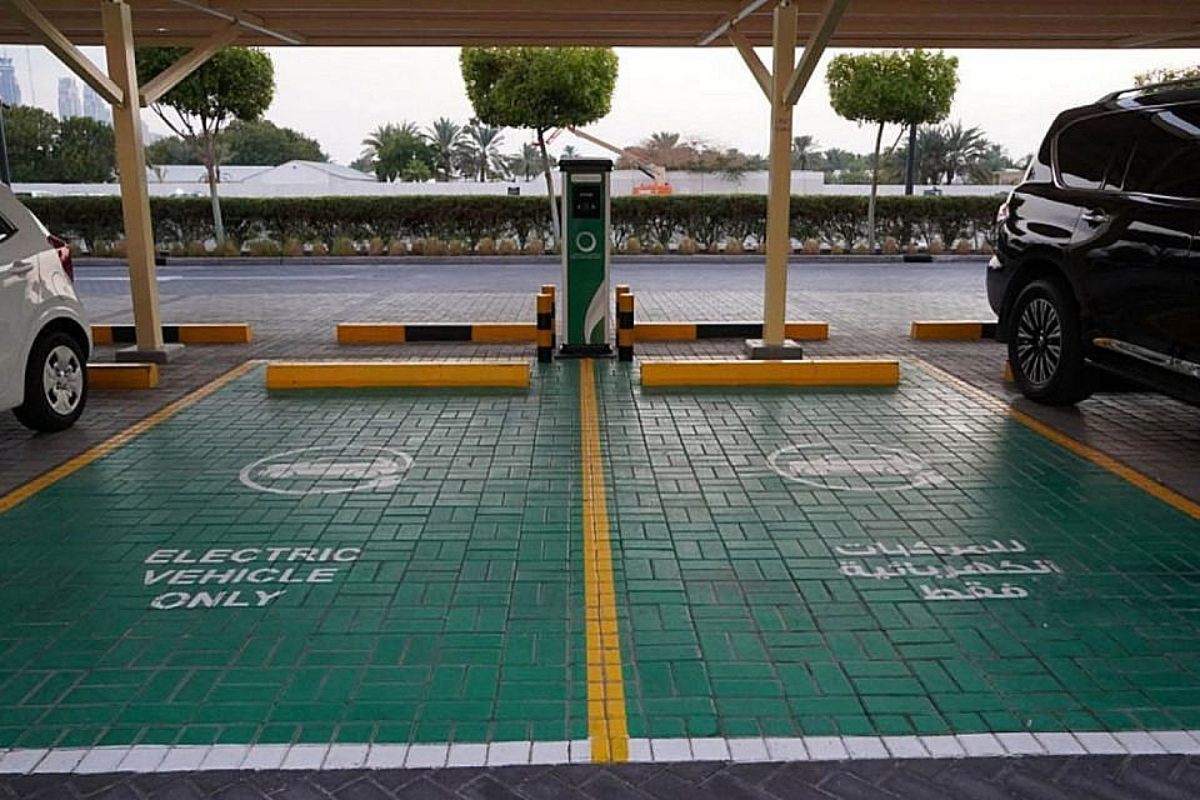
At the same time, the infrastructure for electric and hybrid vehicles in the UAE has matured quietly and significantly. Dubai alone had over 1,270 public charging points as of mid-2025, with the network continuing to expand. ADNOC Distribution opened one of the world's largest superfast EV charging hubs on the E11 highway in early 2026 60 high-speed chargepoints capable of taking most EVs from zero to 80% in roughly 20 minutes. Green auto loans with preferential rates are available from multiple UAE banks. Government incentives remain in place.
The numbers, taken together, make a straightforward case. This article breaks that case down simply, clearly, and without exaggeration so that any Dubai resident can assess it for themselves.
The Cost of Movement: What You Actually Spend Per Kilometre
The clearest way to understand the financial case for an EV or hybrid is to look at what it costs to move the car, not the sticker price, but the ongoing energy cost per kilometre.
Analysis by NIO places the EV energy cost at approximately AED 45 per 1,000 kilometres when charged at home. A petrol vehicle covering the same distance at current UAE fuel prices costs around AED 280. That is a difference of AED 235 per 1,000 kilometres, and it compounds every single month.
For a driver covering 2,000 kilometres per month, a reasonable figure for a Dubai commuter, the annual energy saving sits at approximately AED 5,640. Over five years, that is over AED 28,000 in fuel costs that simply do not arise.
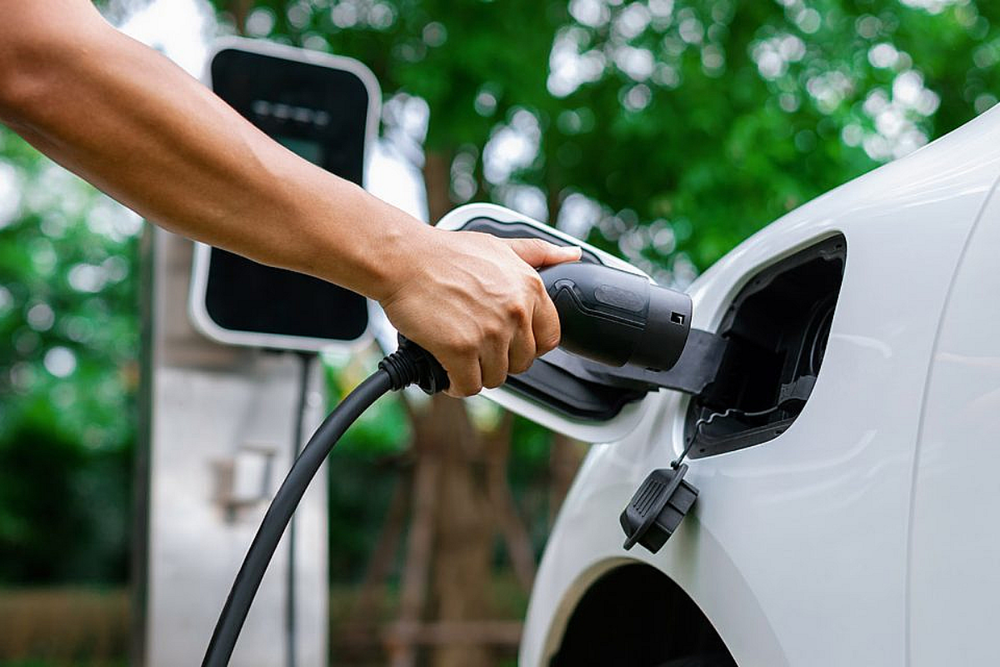
Home charging is the most cost-efficient option. A 50 kWh home charge typically costs between AED 11 and AED 24, depending on the tariff and time of use. For most EV drivers in the UAE, the overnight home charge covers the daily commute comfortably.
Public charging costs more than home charging but remains significantly more affordable than petrol on a per-kilometre basis. Cabinet Resolution No. 81 introduced a unified national pricing framework for EV charging services across the UAE — standardising tariffs, ensuring transparency, and ending the inconsistency that previously made public charging costs unpredictable. Even under the paid public charging model, EV owners save approximately 73% in energy costs per kilometre travelled.
Hybrid vehicles offer a middle path for drivers who are not ready to commit fully to electric. Hybrids reduce petrol consumption substantially, particularly in stop-start city driving, which describes the majority of Dubai's daily traffic conditions, without requiring access to a charging point. For a driver not yet comfortable with public charging infrastructure or without home charging access, a hybrid delivers meaningful fuel savings with no change in refuelling habits.
The Incentive Landscape: Financial Support That Is Already in Place
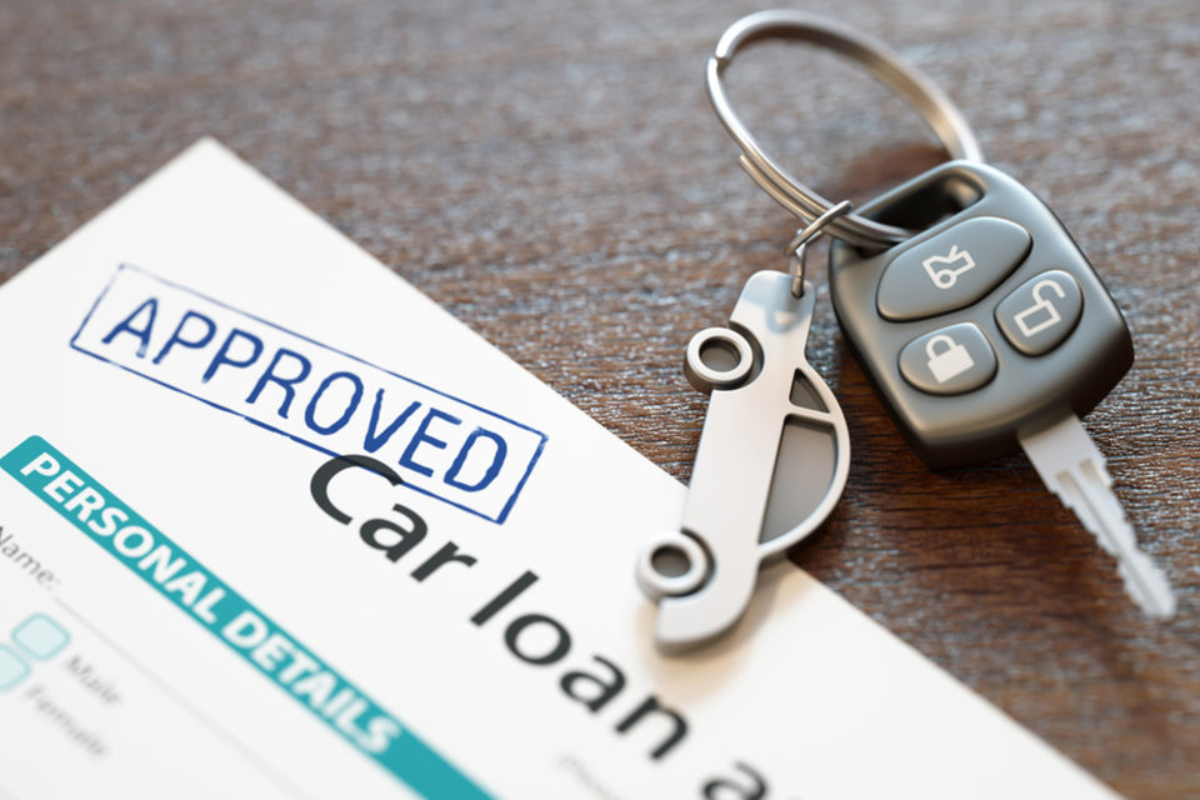
The UAE government and several major banks have built a financial incentive structure that directly reduces the cost of owning an electric or hybrid vehicle. These are not hypothetical future benefits. They are in place now.
Green Auto Loans are available from UAE banks, including NBF and ADCB, specifically for electric and hybrid vehicle purchases. NBF's Green Auto Loan offers EV buyers a flat rate of 2.2%, which is meaningfully lower than the 2.75% to 4.25% range typically applied to conventional car loans. ADCB also offers Green Car Loan products with competitive rates for eco-friendly vehicles, with some UAE banks advertising EV financing rates starting from around 1.9%. The practical effect is a lower monthly repayment on the same purchase price, an immediate, tangible financial benefit from day one of ownership.
Free and subsidised charging at DEWA Green Charger stations continues to be available at select locations across Dubai, a programme that has been running since 2015 and has been extended by the government consistently. Charging at these stations carries no cost to the driver.
Vehicle registration fee reductions for electric vehicles have been part of the UAE's incentive framework, reducing the upfront administrative cost of getting an EV on the road.
These incentives collectively reduce the effective cost of entry for EV and hybrid ownership. Taken alongside the fuel savings, the financial picture over a three-to-five year ownership period is materially different from what the sticker price alone suggests.
Low-Maintenance Living: The Hidden Savings
Petrol vehicles carry a maintenance cost that most owners internalise as simply "part of owning a car." Oil changes every few thousand kilometres. Transmission fluid. Coolant. Spark plugs. Exhaust components. Brake wear accelerated by engine braking mechanics. In Dubai's heat, where engines work harder, rubber degrades faster, and air conditioning runs at full capacity for most of the year, these costs accumulate.
Electric vehicles have significantly fewer moving parts. There is no combustion engine, no exhaust system, no transmission fluid, and no oil to change. Regenerative braking is a system that captures energy during deceleration, reducing the wear on brake pads substantially, extending their service life considerably beyond what petrol car owners are accustomed to.
The primary maintenance items for an EV in the UAE are tyres, cabin air filters, wiper blades, and the periodic software updates that many manufacturers now deliver over the air. Annual inspections are faster and cheaper because there is simply less to check.
For hybrid vehicles, maintenance falls between the two. The combustion engine still requires conventional servicing, but the electric motor's contribution, particularly in low-speed urban driving, reduces the workload on the petrol components and extends service intervals in practice.
In a market where authorised service centre costs for European and American vehicles can be significant, the reduced maintenance footprint of an EV or hybrid is a genuine financial consideration that does not always appear in a purchase cost calculation.
Market Maturity: Infrastructure You Can Rely On
One of the most common hesitations about buying an EV has historically been infrastructure confidence, the practical question of whether there will be a charger available when it is needed.
In the UAE in 2026, that hesitation has a clear answer. Dubai had over 1,270 public charging points as of mid-2025. Chargers are integrated into shopping malls, residential developments, office complexes, and hotel car parks across the city. DEWA and Parkin have partnered to deploy 100 EV chargers across Dubai, specifically targeting high-density residential and commercial areas. ADNOC Distribution's E2GO network has over 400 charging points installed with a target of 750 by 2028.
The regulatory environment has also matured. Cabinet Resolution No. 81 established a unified national pricing framework that standardised EV charging tariffs across all seven Emirates, ending the previous patchwork of free, subsidised, and commercial pricing that made planning a charge unpredictable. Residential chargers are now subject to clear registration and safety requirements. The result is a charging ecosystem that is regulated, consistent, and designed for everyday use rather than early adopters alone.
For inter-city travel, the ADNOC EV Megahub on the E11 highway between Abu Dhabi and Dubai features 60 high-speed chargepoints and can charge most EVs from zero to 80% in approximately 20 minutes, directly addressing the practical concern of longer journeys.
Budget Guide: What Is Available in the UAE Market in 2026
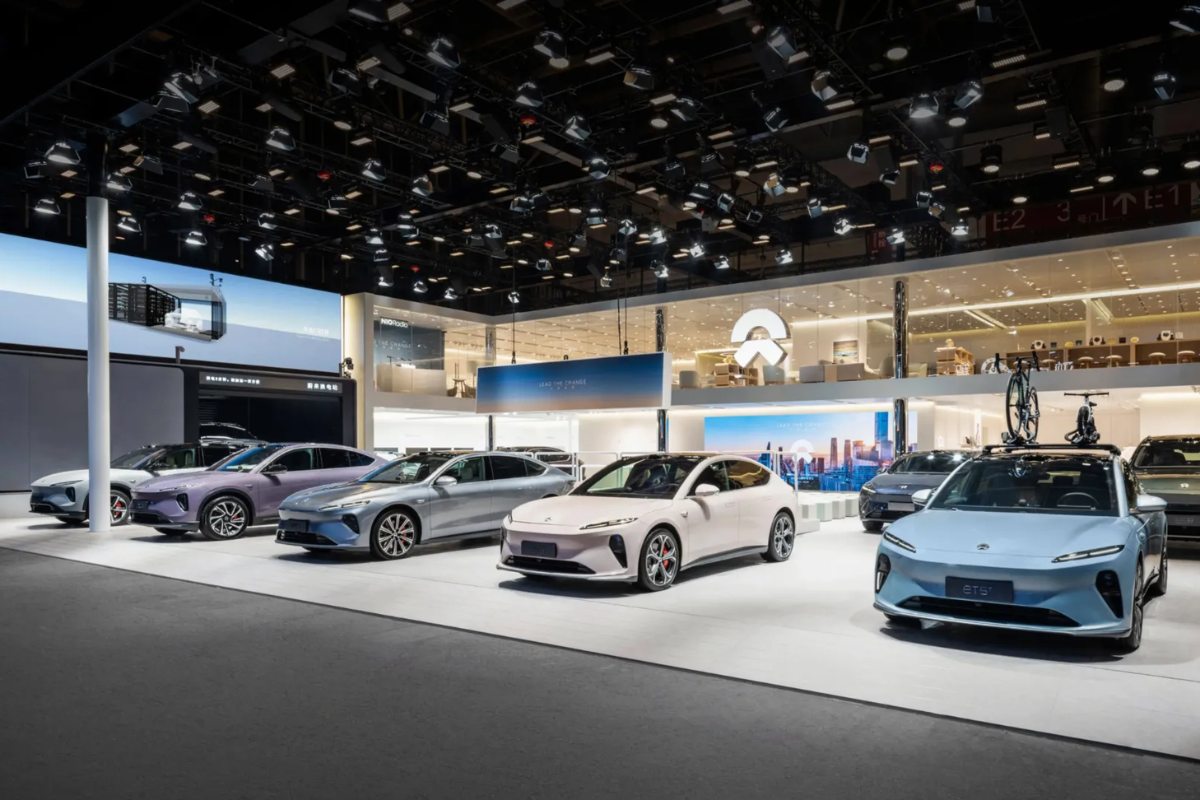
The range of EV and hybrid options available to UAE buyers in 2026 spans entry-level to mid-range pricing, with credible options at each level.
Entry Level (AED 75,000 – AED 95,000)
| Model | Type | Starting Price (AED) |
|---|---|---|
| BYD Qin Plus | EV / Plug-in Hybrid | ~75,000 |
| Toyota Corolla Hybrid | Hybrid | ~90,000 |
| Geely EX5 EM-i | Plug-in Hybrid | ~90,000+ |
The BYD Qin Plus is the most accessible entry point in the UAE EV market, a well-equipped sedan with strong range figures and BYD's established after-sales network in the region. The Toyota Corolla Hybrid brings the reliability of one of the UAE's most familiar nameplates in a fuel-efficient package, with no charging infrastructure required. The Geely EX5 EM-i delivers a plug-in hybrid SUV at a price point that would previously have been associated with basic petrol vehicles.
Mid-Range (AED 100,000 – AED 135,000)
| Model | Type | Starting Price (AED) |
|---|---|---|
| Toyota Camry Hybrid | Hybrid | ~126,000 |
| BYD Seal 7 | EV | ~130,000 |
| MG4 Electric | EV | ~100,000+ |
The Toyota Camry Hybrid is the UAE market's most established mid-range hybrid, a vehicle that has built a strong ownership track record in this climate and is supported by one of the widest service networks in the country. The BYD Seal 7 is a seven-seat electric SUV that brings substantial space and range to the mid-range bracket. The MG4 Electric offers a practical, affordable full-EV option with a strong regional service presence.
All models listed are available through established dealership networks in the UAE with authorised service support.
Dubai's cost of living is well-managed for most residents, but fuel is now one of the genuinely volatile line items in a household budget. Prices move monthly, linked to global crude benchmarks, and April 2026's sharp increase, Special 95 rising from AED 2.48 to AED 3.28 in a single month, is a reminder that petrol costs are not a number you can plan around with confidence.
An EV or hybrid changes that equation. Home charging costs are stable, tied to DEWA's electricity tariff rather than global oil markets. Maintenance costs are lower and more predictable. Green auto loan rates reduce the monthly financing cost. The infrastructure is in place. The vehicle options at every price point are credible. The savings are real and verifiable.
A transport cost that is predictable, stable, and structurally lower than the petrol alternative is not a lifestyle choice. In 2026, it is simply good financial management.
Also read:
 Umema Arsiwala
 Umema Arsiwala
 Shahba Mayyeri