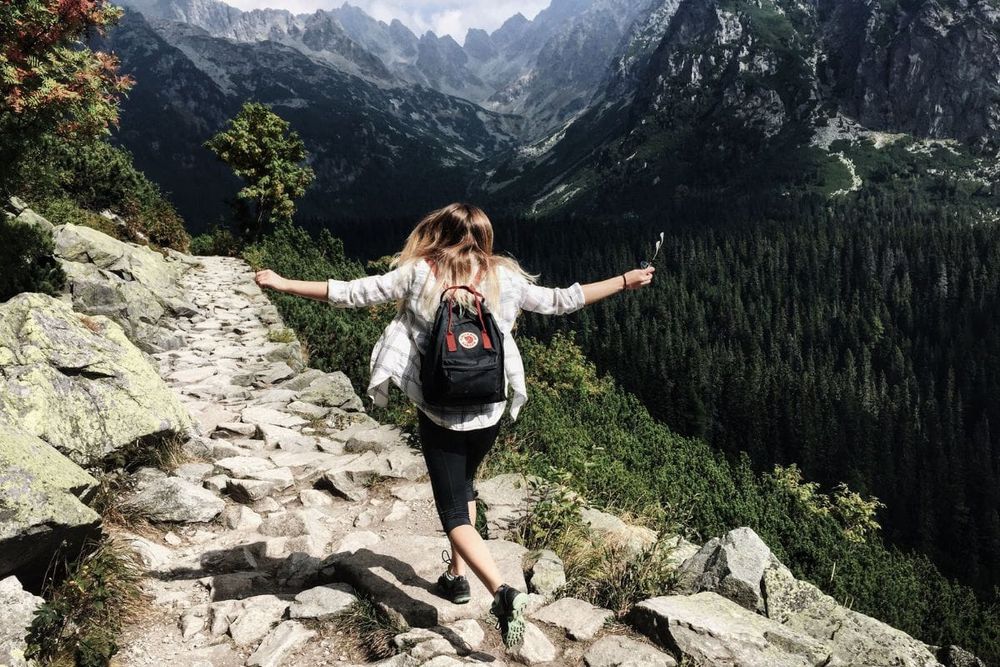
There was a time when a "proper holiday" meant two weeks off, a packed suitcase and a carefully planned itinerary that covered as many sights as possible. That idea is slowly becoming outdated. Dubai residents are increasingly ditching the traditional long vacation in favour of something smarter, more spontaneous and honestly more satisfying: the long weekend getaway.
It makes sense when you think about it. Life in Dubai moves fast. Between demanding work schedules, school calendars, social commitments and the general pace of the city, carving out two weeks of uninterrupted time off has become harder than ever for most people. But three or four days? That's doable. And with the right destination and a bit of planning, it can be just as refreshing as a full-blown holiday. The question worth asking is how Dubai residents are pulling this off so well, and what it says about the way we're all starting to think about travel.
Why Short Breaks Are Winning
A shift has been happening globally, and Dubai is firmly part of it. Research consistently shows that people are moving away from one big annual vacation and toward multiple shorter trips spread across the year. The reasoning is simple: frequency beats duration when it comes to actual wellbeing. Studies in positive psychology suggest that the anticipation of an upcoming trip and the memories of a recent one both contribute significantly to happiness, which means taking four short breaks a year does more for your mental state than one long trip ever could.
For Dubai residents specifically, the appeal runs even deeper. The city's geography is a genuine advantage. Within a four-hour flight radius, you have access to places as diverse as the Maldives, Sri Lanka, Georgia, Kenya, Oman, Armenia, Turkey, Egypt and large parts of Europe. That means a Friday to Monday trip can take you somewhere completely different without the jet lag or the exhaustion of intercontinental travel. You leave stressed and return refreshed, which is exactly the point.
There's also the financial angle. A well-planned long weekend can cost a fraction of what a two-week holiday demands, and because the trips are shorter, people tend to splurge a little more on quality: a nicer hotel, better restaurants, more meaningful experiences. Instead of budgeting strictly across two weeks, you're concentrating your spend into a few days where everything feels elevated.
The Destinations Making It Work
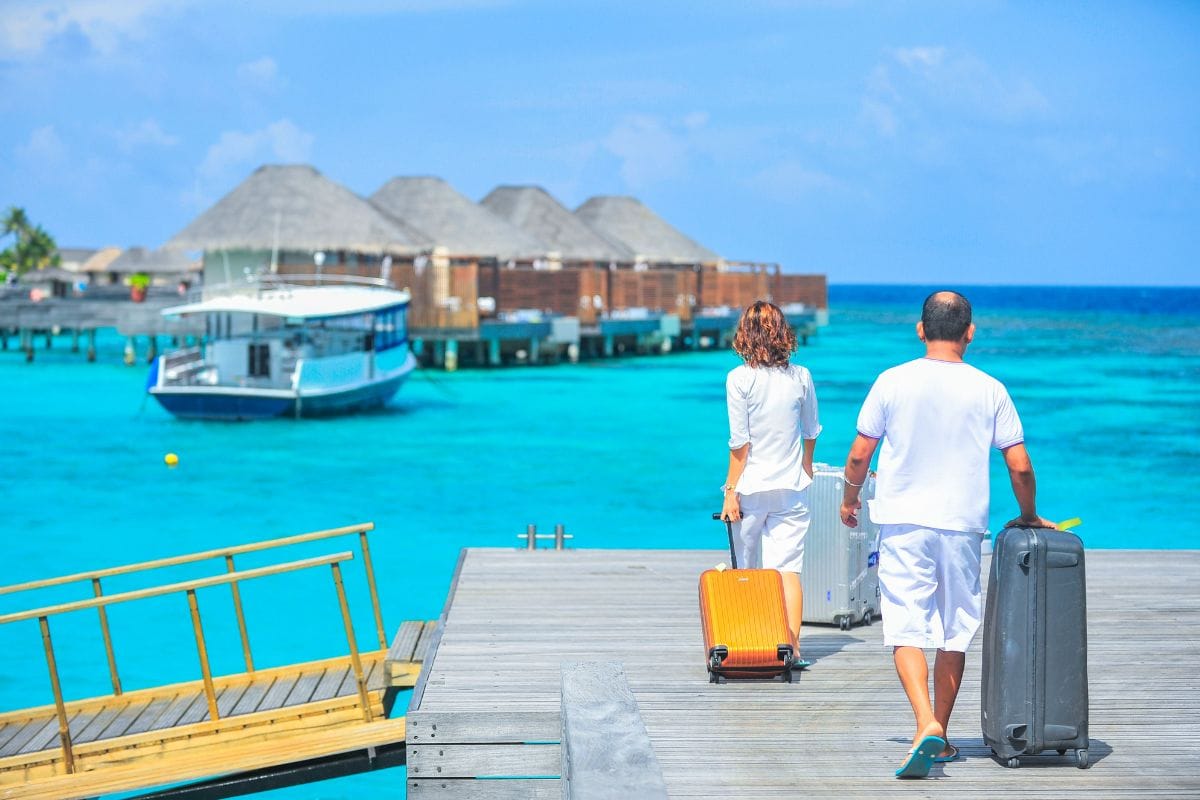
Not every destination is built for a long weekend, but the ones that work well tend to share a few qualities: they're easy to reach, compact enough to feel like you've genuinely explored them and distinct enough from Dubai's urban energy to feel like a real escape.
Muscat has become a favourite, partly because it's an hour's flight and partly because it offers something Dubai doesn't: quiet coastal beauty, old souqs, wide empty roads and a laid-back pace that genuinely slows you down. Baku has surged in popularity, combining a walkable old city with excellent food and an easy visa process for UAE residents. Tbilisi draws the food lovers and the architecture enthusiasts, while Colombo has become a solid gateway to Sri Lanka's beaches and hill country for those willing to add a short transfer.
Further afield but still doable, Istanbul works brilliantly for a long weekend thanks to its density of experience: great food, rich history, world-class shopping and a city atmosphere that's endlessly stimulating. Nairobi is gaining traction too, especially for residents who want a safari element without the commitment of a full East Africa trip.
The common thread across all of these is accessibility. Dubai's airline connectivity, driven largely by Emirates and flydubai, means that most of these cities are served with multiple daily flights, making it easy to leave on a Thursday evening and return Monday morning without burning through a full week of annual leave.
How Dubai Residents Are Planning Smarter

The rise of the short break has also changed how people plan travel, and it's worth understanding what that looks like in practice.
Things that characterise the modern Dubai long weekend approach:
- Booking flights that maximise time at the destination, typically departing late Thursday or early Friday and returning on the last possible flight Monday.
- Prioritising accommodation that's central or walkable so transit time within the destination is minimised.
- Using UAE public holidays strategically, particularly around long weekends in the Islamic calendar where a single day of annual leave can create a five or six-day break.
- Planning around shoulder seasons to avoid peak crowds and inflated prices while still getting good weather.
- Leaning on travel apps and curated itineraries rather than large travel agencies, since short trips reward agility and spontaneity over rigid planning.
The other notable shift is that people are travelling with smaller groups or in couples rather than organising large family trips for every getaway. Short breaks lend themselves to intimacy: a couple's trip to Santorini, a friends' weekend in Beirut or a solo reset in a quiet corner of Oman. The smaller the group, the easier the logistics and the more personal the experience.
The Role of Public Holidays and Annual Leave
The UAE calendar plays a significant role in enabling this culture of short breaks. With public holidays spread across the year and a weekend structure that already gives residents Friday and Saturday off, there are multiple points in the calendar where a single day or two of annual leave can be stretched into a five-day trip. Savvy travellers have started treating the annual leave calendar as a strategic tool rather than an afterthought, identifying the clusters around Eid, National Day and other long weekends well in advance and booking early to lock in the best fares.
This approach effectively turns four days of annual leave into a year's worth of travel moments rather than one concentrated block. For those who find it genuinely difficult to disconnect from work for long periods, it also removes the psychological resistance that sometimes comes with taking an extended break.
What This Trend Reveals About Modern Dubai
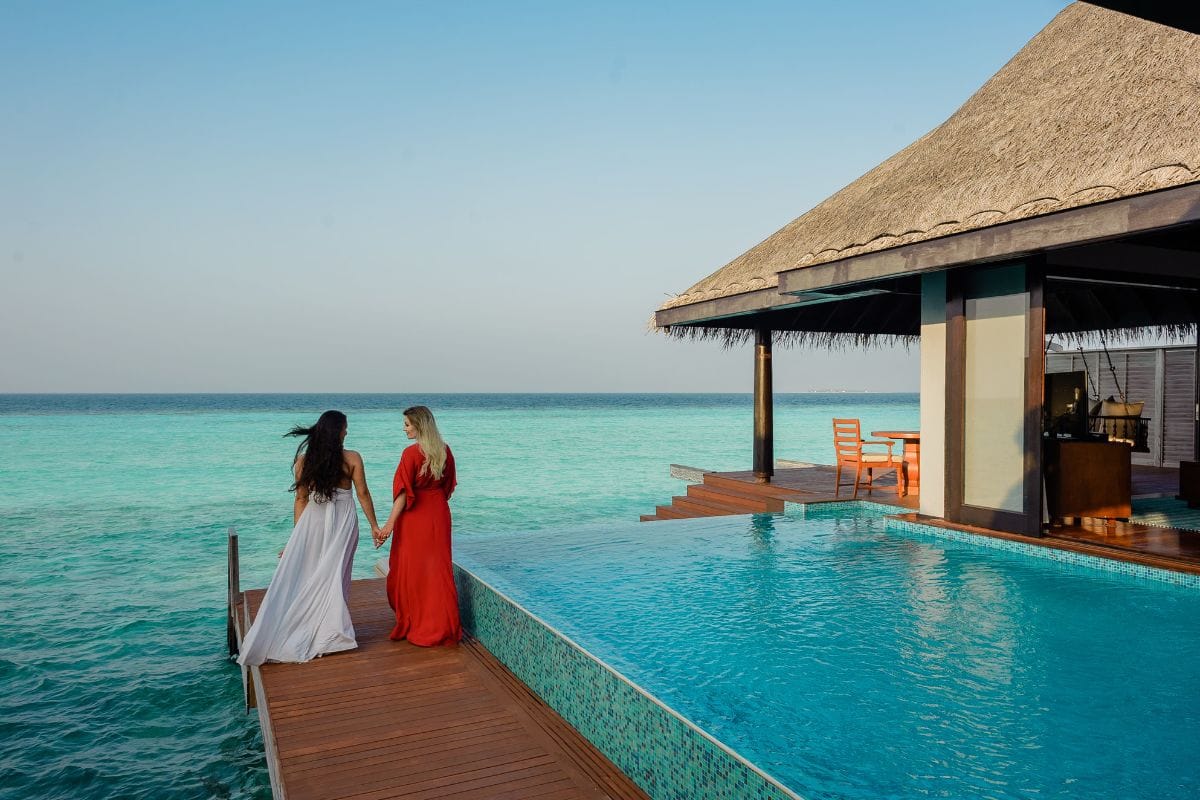
The shift toward long weekend travel reflects something bigger about how Dubai's residents are living and what they're prioritising. In a city that runs on ambition and high output, the long weekend getaway is a form of sustainable rhythm: regular resets that keep people motivated and present rather than grinding toward a once-a-year break that needs to fix everything.
There's a maturity to it as well. Instead of measuring a holiday by how many countries were ticked off, people are measuring it by how rested they actually feel. A long weekend in Muscat where you sat by the sea, ate well and slept properly beats a hectic ten-day Europe sprint any day.
Dubai has always been a city of people who do things efficiently. It turns out that applies to how they rest, too.
Also Read:
 Maryam Pervez
 Shahba Mayyeri
 Umema Arsiwala
 Maryam Pervez
 Ummulkiram Pardawala