For decades, the global narrative surrounding success in Dubai was written in high definition maximalism. The city’s cultural and economic landscape was defined by an unapologetic display of wealth: supercars parked in front of five-star valets, bold monogrammed fashion lining the windows of Downtown boutiques, and oversized luxury logos serving as a universal business language. In a hyper-accelerated market that was welcoming thousands of new arrivals every month, wearing your balance sheet on your sleeve was treated as a necessary shortcut to establishing credibility. It was a visual handshake that signaled to potential partners, clients, and investors that you had successfully navigated the local market.
But as the city’s business ecosystem matures into a deeply entrenched, institutional-grade global hub, the visual language of power is undergoing a quiet, profound rebellion.
If you look closely at the founders, venture capitalists, and sovereign wealth advisors operating out of the Dubai International Financial Centre (DIFC) or meeting over custom-built boardroom tables in Jumeirah Bay, the overt branding has vanished. The monogrammed belts, loud graphic tees, and easily recognizable status symbols have been systematically retired.
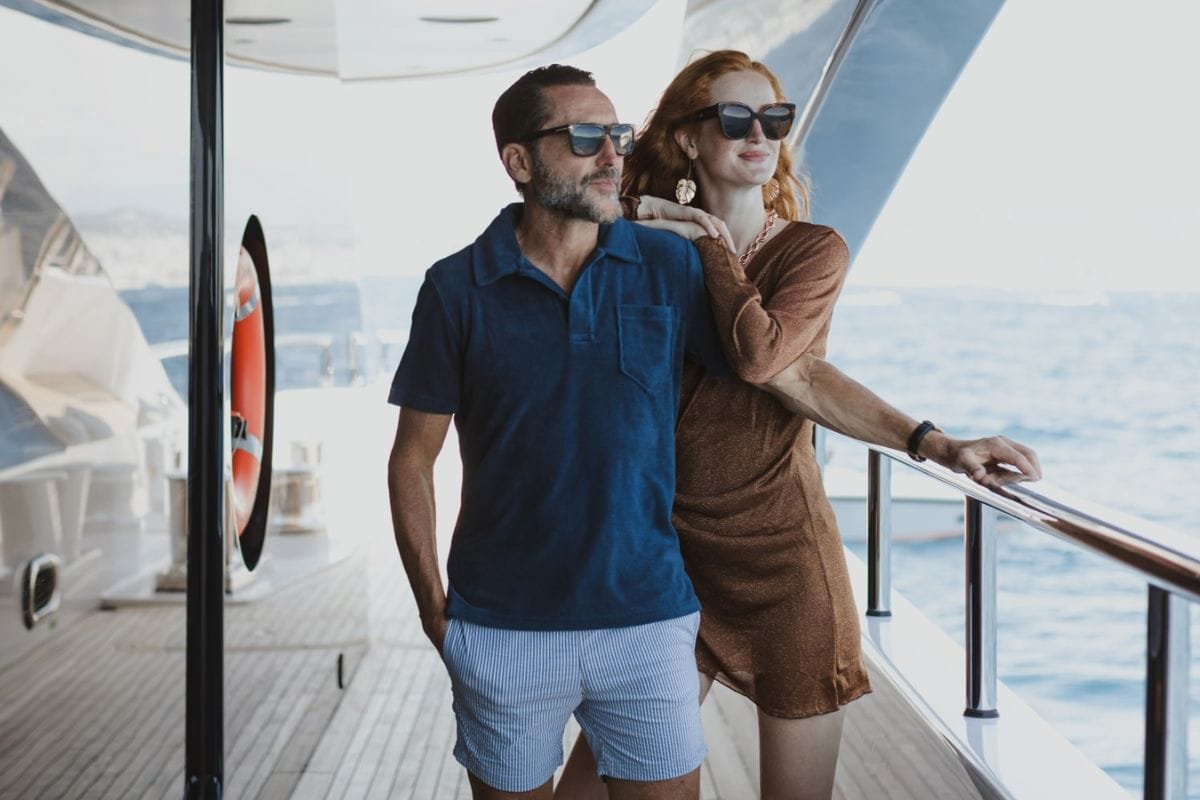
In their place is a refined, anonymous aesthetic defined by flawless tailoring, unbranded organic fabrics, and architectural lines. Dubai’s quiet achievers are ditching the logo—and in doing so, they are rewriting the rules of regional influence.
The Saturation Paradox: When Luxury Becomes Commonplace
To understand why the city’s elite are retreating into anonymity, one must look at the macroeconomics of modern luxury consumption. Dubai consistently tracks as a hyper-resilient luxury market, completely outperforming traditional Western strongholds. The luxury goods sector alone continues its aggressive upward climb. Crucially, this consumption is no longer restricted exclusively to the ultra-wealthy; access to premium brands has trickled down to the emerging affluent and upper-middle-class demographics, who view seasonal luxury items as aspirational milestones.
This democratization of premium brands has created a paradox for the truly established tier of business leaders. When a recognizable logo can be easily bought on credit, discovered via algorithm, or accessed by a casual tourist browsing a mega-mall, that logo ceases to function as an elite differentiator. It loses its economic utility as a reliable signal of true status.
When luxury screams, it suddenly sounds like noise to the trained ear. For Dubai’s quiet achievers, stripping away the logo is a natural response to this saturation. It is an intentional move to distance oneself from the performance of wealth and return to the historic roots of luxury: absolute exclusivity, scarcity, tactile perfection, and exceptional craftsmanship.
The Invisible Handshake of the DIFC Boardroom
In the high-stakes corridors of Dubai’s B2B economy, this aesthetic shift has completely transformed how trust, credibility, and corporate capability are assessed. In a city where everyone is pitching a concept, the heavy logo has increasingly become associated with the "hustle"—a loud calling card used by those who are still trying to prove their worth to the market. Conversely, the deliberate absence of a logo implies a level of established success so secure that it requires no external validation.
This has birthed what local corporate observers call the "invisible handshake." When two high-level operators meet at an exclusive venue like the Capital Club or an art gallery in Alserkal Avenue, they are evaluating subtle, unbranded design cues that only an educated peer can register. They note the specific, structured drape of an unbranded linen jacket, the meticulous hand-stitching on a seamless leather tote, or the architectural minimalism of a custom timepiece.
Status has fundamentally evolved from showing what you own to demonstrating what you know. To operate comfortably in a completely unbranded wardrobe is to signal that your reputation, your portfolio, and your track record speak loudly enough that your clothes don't have to. It shifts the focus of a business interaction away from superficial branding and redirects it entirely toward intellectual capacity, operational substance, and long-term value.
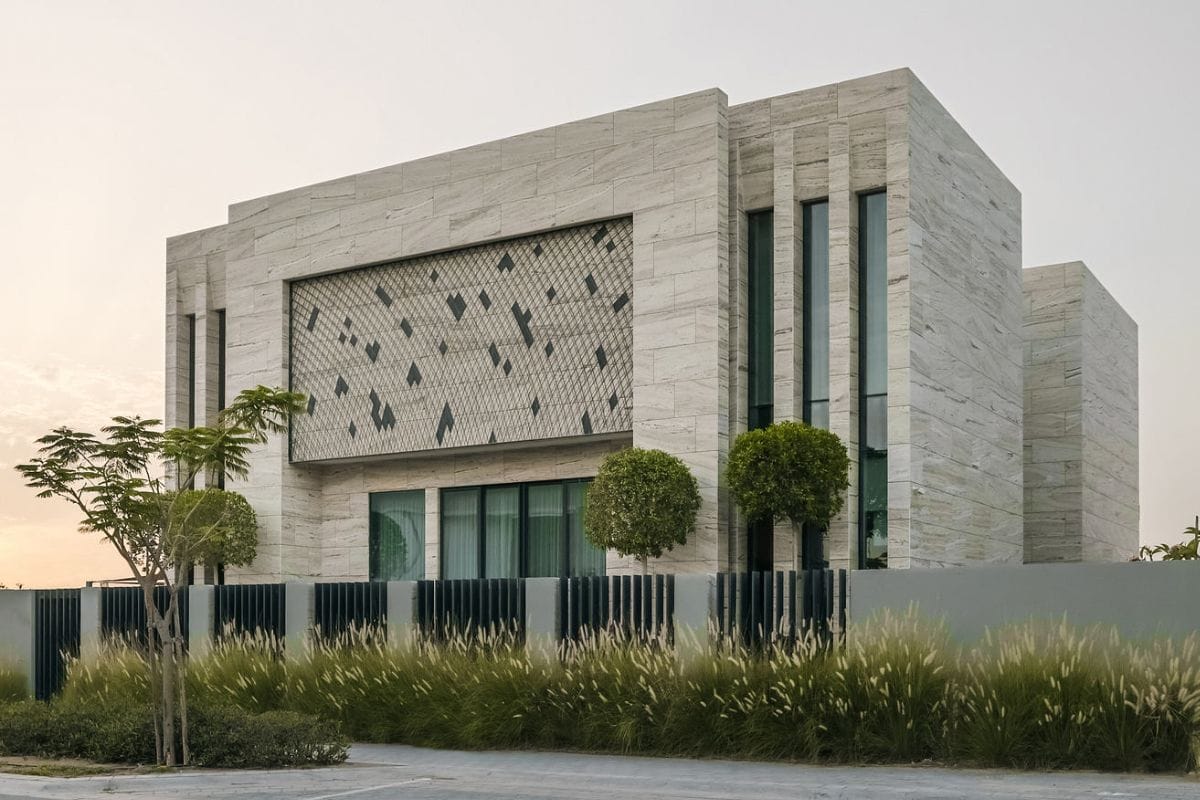
The Architecture of Restraint: From Fashion to Real Estate
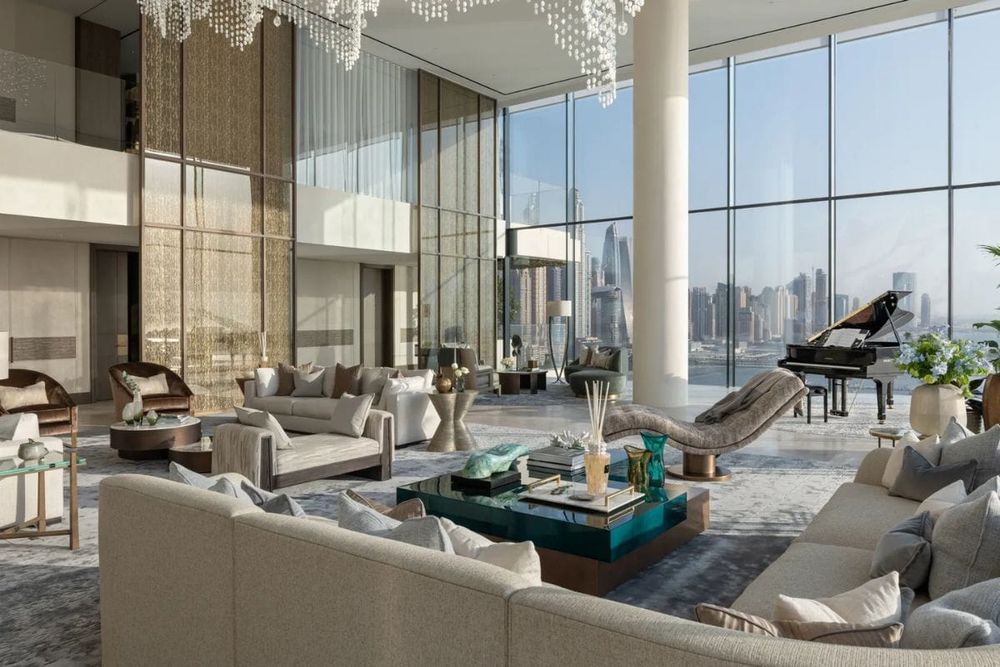
This rejection of "bling" isn't confined to wardrobes; it is systematically altering the entire physical aesthetic of the city. The shift toward quiet luxury is radically reshaping Dubai’s high-end interior design and villa architecture landscape. For years, premium property developments in neighborhoods like Palm Jumeirah, District One, and Dubai Hills were characterized by high-gloss marble surfaces, immense crystal chandeliers, and heavy gold-leaf accents.
Today, the city's most exclusive private residences and commercial offices are tearing out the glossy finishes in favor of "warm minimalism." High-net-worth clients are actively choosing honed, matte stone textures like travertine, raw walnut paneling, and hidden cove lighting over flashiness.
The goal of modern design in Dubai is to create a "sanctuary" rather than a showroom. Kitchens feature hidden appliances completely integrated behind custom joinery panels, and floor-to-ceiling glass doors blur the boundary between indoor living and outdoor nature. This architectural pivot mirrors the wardrobe shift: luxury is no longer about forcing people to look at what you spent; it is about creating an environment that feels deeply personal, future-proof, and structurally elite.
The Middle Eastern Interpretation of Restraint
What makes this movement uniquely compelling is how it is being adapted to fit the cultural and geographic realities of the Gulf. Quiet luxury in Western capitals is frequently associated with a monochromatic palette of cold greys, navies, and heavy winter cashmeres. However, inside the UAE, regional designers, boutique tailors, and entrepreneurs are creating a distinctly Middle Eastern interpretation of modern restraint.
This texturing is practical as much as it is aesthetic. Local fashion houses are reporting a massive surge in demand for minimalist, architectural silhouettes that honor Gulf heritage without relying on overt emblems or heavy embroidery. Traditional attire is being reimagined using ultra-premium raw silks and bespoke linen blends. These materials feature complex, tone-on-tone geometric stitch patterns that emphasize texture and shadow over contrasting colors.
Furthermore, these organic earth tones—creams, sand hues, and soft eucalyptus greens—handle the intense, streaming Dubai sunlight beautifully. While stark white walls and shiny chrome surfaces bounce harsh glare back into a room, matte textures and grounded palettes absorb the ambient light, offering instant visual relief. It is a holistic lifestyle shift toward intentional living, proving that across all industries, the modern regional consumer is prioritizing the legacy of material purity over temporary novelty.
The Evolution of Influence: The Practical Impact on B2B Deals
For small business owners, agencies, and independent consultants operating in Dubai, understanding this shift is critical to securing high-value contracts. If your brand or presentation material relies heavily on superficial status signals, you risk alienating the very clients you are trying to attract.
When pitching to Dubai’s quiet achievers, the presentation must mimic their preferred aesthetic: clean, data-driven, and stripped of unnecessary packaging.
These individuals value clarity of execution, operational resilience, and direct ecosystem benefits far more than corporate hype. They want to know that your software, consultancy, or product delivers real, measurable results that earn its premium pricing. When you match their sense of restraint in your communication, you signal that you operate on their level. You demonstrate that you understand that true influence in a mature market is built on substance, not smoke and mirrors.
The Confidence of a Mature Market
Ultimately, the mass abandonment of the logo among Dubai's business elite is an indicator of a deeply confident, structurally mature economy. A young city in its early economic chapters often feels the defensive need to shout its success to the world, utilizing flashing lights, record-breaking stunts, and bold statements to command international attention. But as Dubai cements its position as a permanent anchor of global capital and a primary destination for wealth migration, its business leaders no longer feel the need to over-index on visible packaging.
Ditching the logo isn’t about hiding your success or shrinking away from your accomplishments; it’s about refining how that success is articulated. It is a strategic realization that in a room filled with constant digital, visual, and commercial noise, the person who speaks in a deliberate whisper is often the one everyone stops to listen to. For Dubai's quiet achievers, true luxury and true power are no longer defined by what is printed on the outside of the fabric, but by the undeniable strength of the execution underneath.
Also Read:
 Shahba Mayyeri
 Ummulkiram Pardawala
 Umema Arsiwala
 Ummulkiram Pardawala