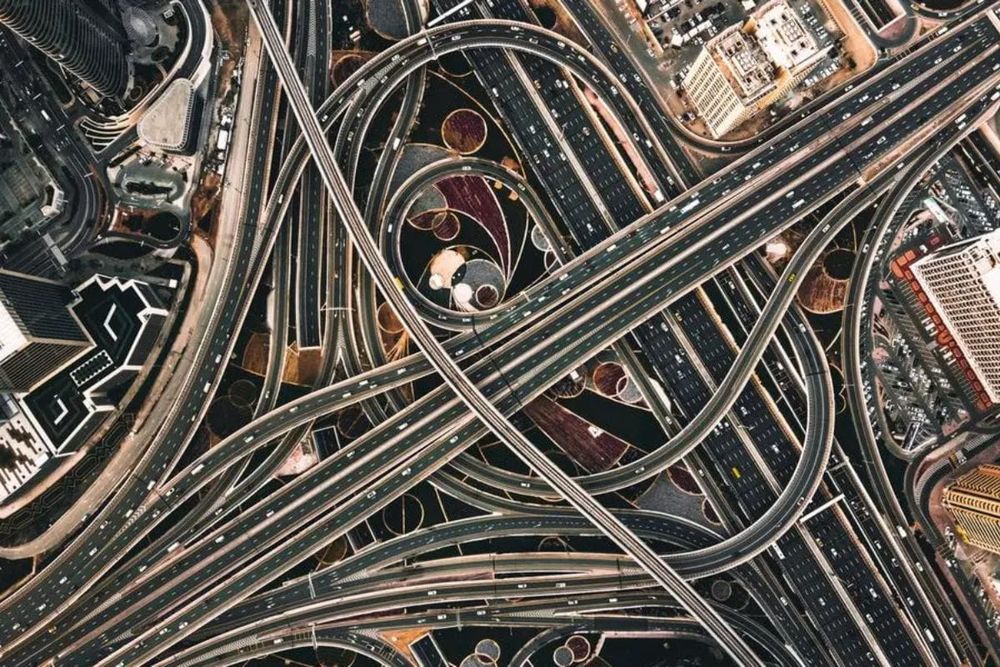
Dubai has secured the top global ranking in road quality with a performance score of 96.65%, driven by an advanced shift to AI-powered, proactive road management backed by big data analytics.
The emirate's roads authority has deployed a suite of cutting-edge monitoring technologies that assess road conditions without disrupting traffic. These include laser-based crack detection systems and specialised devices that calculate the International Roughness Index (IRI). All data feeds into a Pavement Management System (PMS), which generates precise, real-time maintenance schedules before damage can escalate.
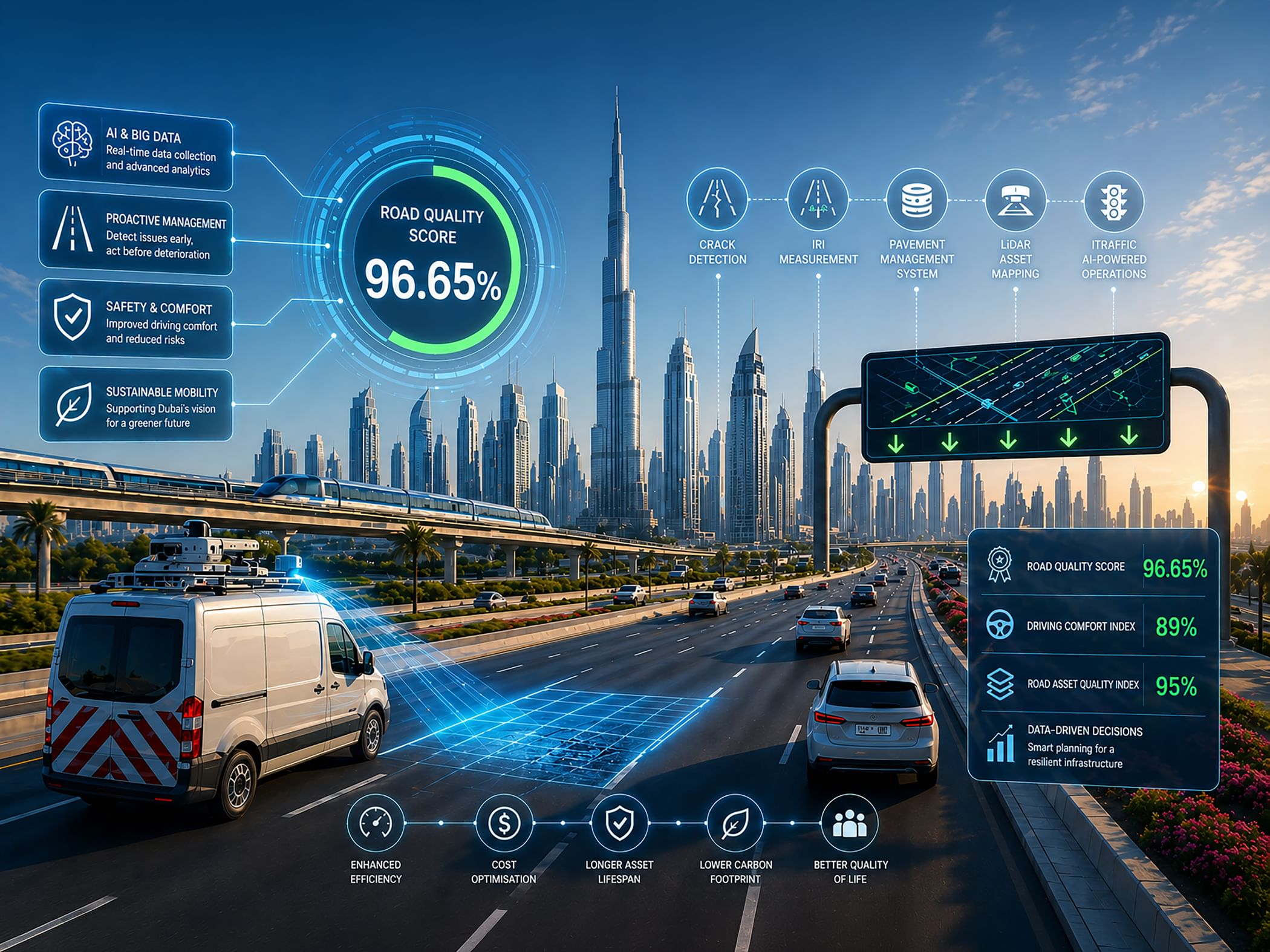
The results are measurable. Early intervention has improved driving comfort, reduced surface-related risks and pushed the driving comfort index to 89%. The approach follows the 5Vs big data framework, enabling authorities to forecast deterioration rates, prioritise critical repairs and build resilient long-term maintenance plans.
Traffic management has also been upgraded through the "iTraffic" system, which analyses live movement data and forecasts congestion patterns. Real-time solutions are displayed on smart signage across the emirate, allowing for immediate responses that keep traffic flowing smoothly.
On the infrastructure side, LiDAR technology has been used to build a high-accuracy database of road assets across Dubai. This has streamlined maintenance planning and cut both operational and emergency costs, contributing to a 95% score in the road asset quality index.
Together, these systems reflect a broader urban strategy that ties infrastructure performance directly to sustainability and quality of life targets. By combining predictive analytics, smart monitoring and responsive traffic management into a single integrated model, Dubai is setting a benchmark for modern road governance that other cities are likely to study closely.
News Source: Emirates News Agency