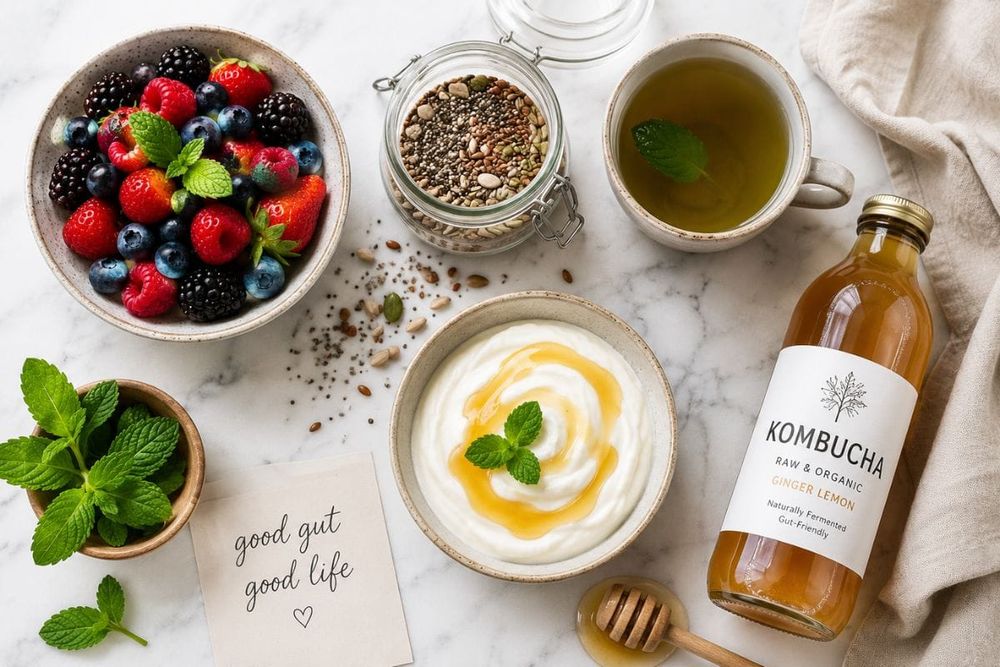
We have all felt it: that sudden drop in your stomach before a big presentation, or the comforting, warm feeling after a nourishing meal. That isn’t just your imagination playing tricks on you. Science now confirms what we have intuitively known for centuries: your gut and your brain are constantly talking to each other.
In fact, your gastrointestinal tract is home to over 100 million nerve cells, earning it the ultimate title of your body’s "Second Brain."
When your gut is happy, your energy soars, your mood stabilises, and your immune system fires on all cylinders. But maintaining a healthy gut doesn’t mean spending a fortune on complex powders, obscure supplements, or restrictive diets. You don’t need a degree in biochemistry to take care of your microbiome.
Instead, real gut health starts right in your standard grocery store aisle and your daily kitchen habits. Here is your simple, no-fuss guide to supporting your second brain every single day.
1. The 30-Plant Challenge: Diversity Is King
Forget counting calories or cutting out food groups. When it comes to gut health, the main goal is diversity. Your gut is home to trillions of tiny bacteria, and different types of bacteria thrive on different types of plant fibres.
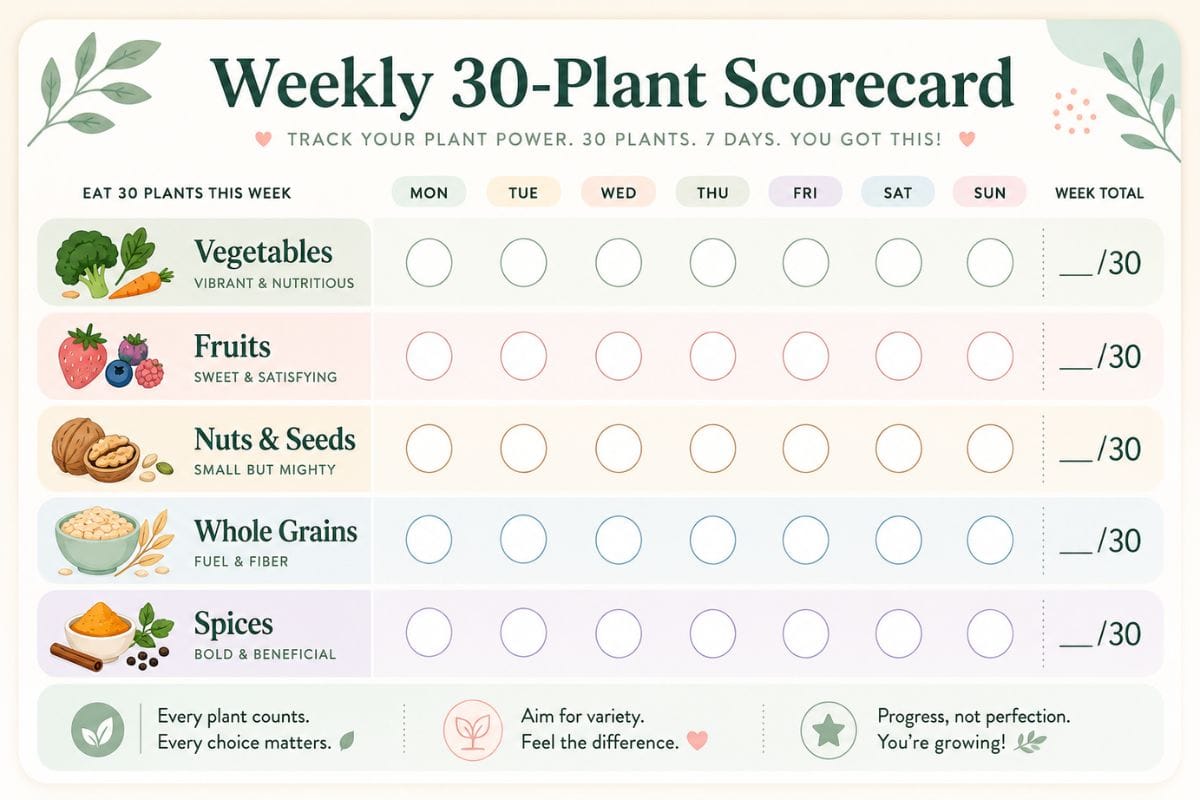
- The Goal: Aim to eat 30 different plant-based foods each week.
- What Counts as a Plant? It’s not just leafy greens! Fruits, vegetables, nuts, seeds, whole grains, beans, legumes, and even herbs and spices all count toward your total score.
- Easy Kitchen Hacks:
- Buy the Seed Mix: Keep a jar of mixed chia, flax, pumpkin, and sunflower seeds on your counter. Sprinkle a spoonful over yoghurt, oatmeal, or salads.
- Swap Your Rice: Mix brown rice with quinoa or wild rice to double your plant points in a single meal.
- Spice It Up: Cooking with garlic, turmeric, cinnamon, and ginger adds rich flavour and feeds good gut bugs.
2. Add a Daily Pop of Fermented Foods
If fibre is the food that feeds your good gut bacteria (prebiotics), fermented foods are the living beneficial bacteria themselves (probiotics). Adding fermented foods to your plate is like sending a team of helpers straight to your digestive tract.
- Why It Works: Fermentation creates natural probiotics that support healthy digestion and help crowd out bad bacteria.
- Simple Grocery Picks:
- Yoghurt & Kefir: Look for plain, unflavored options with "live and active cultures" on the label.
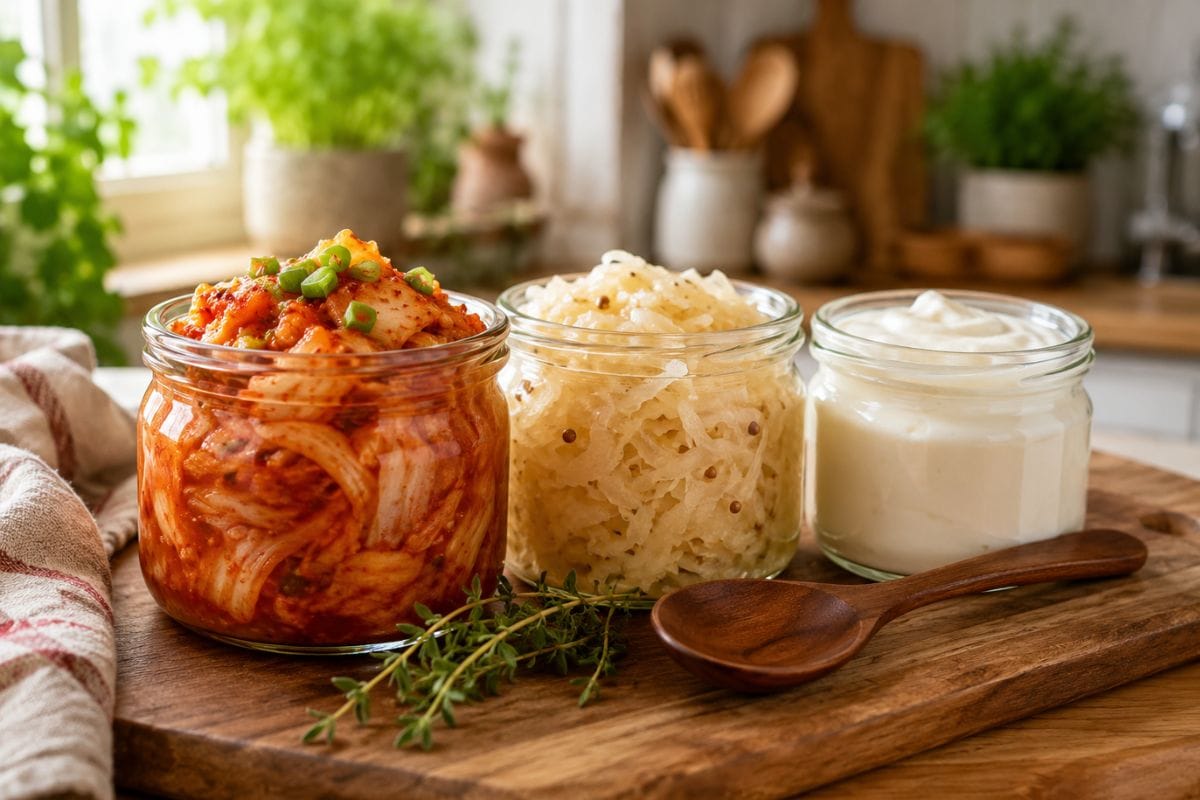
- Sauerkraut & Kimchi: A single tangy tablespoon added to the side of your lunch bowl or sandwich brings a massive dose of probiotics.
- Miso Paste: Stir a spoonful of miso into warm soup broth for an instant gut-loving upgrade.
- Kombucha: Swap out sugary afternoon sodas for a refreshing, fizzy fermented tea.
3. Hydration: The Unsung Hero of Digestion
You can eat all the fibre in the world, but without enough water, your digestive system will quickly come to a screeching halt. Water keeps everything moving smoothly through your digestive tract and plays a vital role in maintaining the protective mucosal lining of your stomach.
- The Daily Shift: Drink water consistently throughout the day rather than chugging a whole bottle all at once.
- Fun Ways to Drink More Water:
- Infuse Your Pitcher: Add slices of cucumber, fresh mint, lemon, or berries to your water jug for a refreshing kick.
- Sip Warm Teas: Peppermint, chamomile, and ginger teas gently relax the muscles of your digestive system after meals.
- Start with a Morning Glass: Keep a glass of room-temperature water by your bed and drink it right when you wake up to kickstart your system.
4. Master the Art of "Rest and Digest"
Did you know how you eat is just as important as what you eat? Your nervous system has two main states: "Fight or Flight" (stress mode) and "Rest and Digest" (relaxation mode). If you eat while frantically answering emails or rushing through traffic, your body shuts down optimal digestion.
- The Gut-Stress Connection: High stress slows down digestion, leads to bloating, and can upset the balance of your gut flora.
- Easy Mindful Eating Habits:
- Take Three Deep Breaths: Before taking your first bite, sit down and take three slow, deep breaths to signal to your nervous system that it is safe to digest.
- Chew More Than You Think: Digestion actually begins in your mouth! Aim to chew your food thoroughly until it is almost liquid before swallowing. This lightens the workload for your stomach.
- Step Away from Screens: Put your phone away and close work tabs during lunch. Eating without distraction lets your brain register fullness and digest comfortably.

5. Protect Your Gut’s Night Shift: Sleep & Wind-Down
Just like your brain needs rest to clear out the mental clutter of the day, your gut has its own night shift. While you sleep, your digestive tract undergoes a sweeping process called the Migrating Motor Complex (MMC), which clears out lingering food particles and bacteria.
- Why Sleep Matters: Poor sleep disrupts your gut microbiome, while an unhealthy gut can disrupt your sleep quality, making it a two-way street.
- Simple Evening Habits:
- Close the Kitchen Early: Try to finish your last meal or heavy snack 2 to 3 hours before going to bed. This gives your digestive system a break to do its overnight cleaning work.
- Keep Evenings Gentle: Limit heavy late-night meals that force your stomach to work overtime while you are trying to rest.
- Wind Down Softly: A simple herbal tea and light stretching help lower cortisol levels before sleep, setting up both your brain and gut for a restful night.
Transforming your gut health doesn't require a complete life overhaul overnight. You don’t need strict meal plans, expensive detoxes, or dramatic changes.
Start small. Pick one simple tweak this week, whether that means throwing an extra handful of seeds into your morning smoothie, adding a spoonful of sauerkraut to your dinner, or simply taking three deep breaths before you eat lunch.
Listen to your body, give your second brain a little extra love, and enjoy the steady rise in your energy, mood, and overall well-being!
Also Read:
 Ummulkiram Pardawala
 Shahba Mayyeri
 Ummulkiram Pardawala
 Shahba Mayyeri