Dubai has never been in the business of ordinary. From the tallest tower in the world to a ski slope inside a shopping mall, the city has spent decades turning the improbable into the expected. But what is happening in Dubai's hospitality sector right now goes beyond spectacle. It is a structural shift, one that is quietly giving rise to an entirely new category of B2B supplier, the companies that exist not to provide a product or service in the traditional sense, but to engineer, curate, and deliver experiences at scale.
The numbers tell part of the story. Hotel occupancy rates in Dubai have remained stubbornly high even as new inventory keeps entering the market. International visitor arrivals have climbed year after year, driven by a growing mix of leisure tourists, business travellers, MICE groups, and ultra-high-net-worth individuals who treat the city as a global base. The hospitality sector has responded by expanding its offering beyond rooms and restaurants, building immersive concepts that blur the lines between travel, entertainment, wellness, retail, and culture.
And feeding all of that is a new kind of supplier ecosystem. One worth understanding if you are running a business that operates anywhere near the hospitality, events, entertainment, or lifestyle space in the UAE. The question is not just who these suppliers are, but why they exist at all, and what the rise of the experience economy in Dubai actually means for the B2B landscape going forward.
What the Experience Economy Actually Means
The term "experience economy" has been floating around management circles since economists B. Joseph Pine II and James H. Gilmore popularised it in a 1998 Harvard Business Review article, but in Dubai's context it has taken on a very concrete commercial form. The original argument was that businesses had moved through successive stages of economic value: from commodities to goods to services, and then finally to experiences, where the staging of memorable events becomes the primary product.
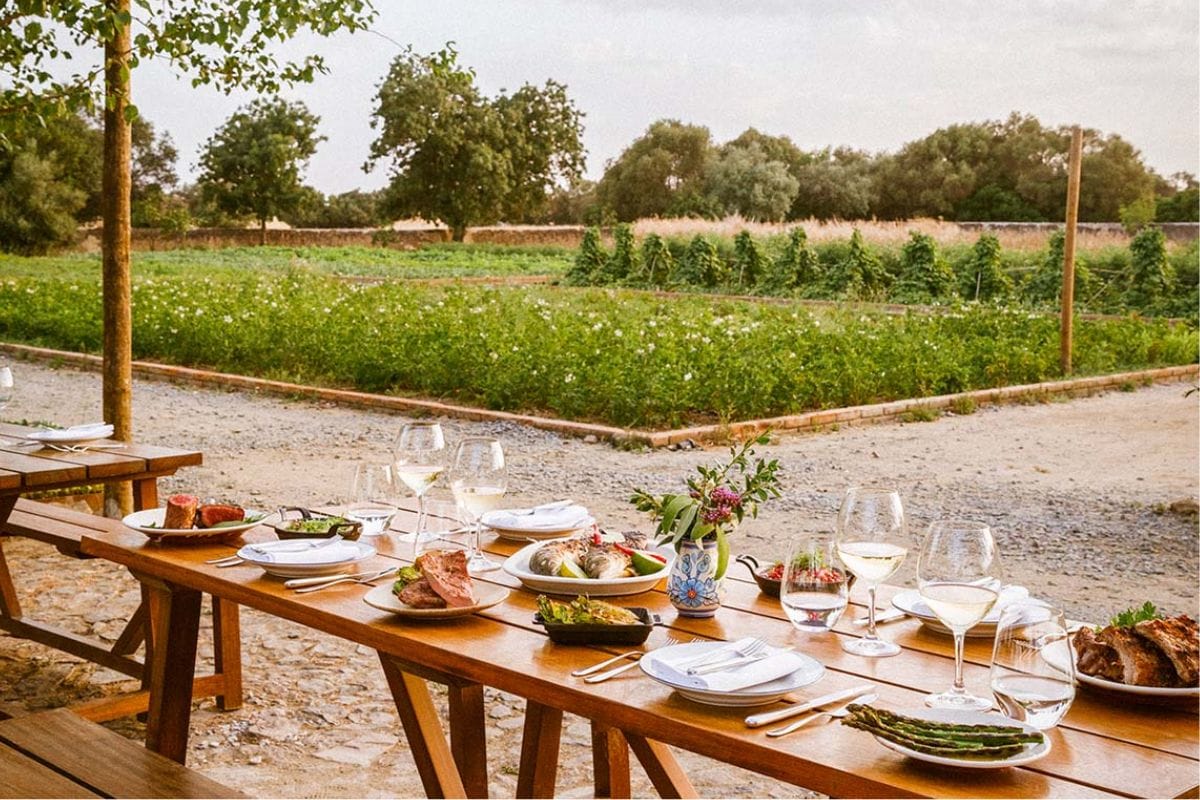
For Dubai's hospitality sector, this is not an abstract theory. It is the operating model. Hotels no longer compete purely on room quality or location. They compete on the emotional weight of the stay, the stories guests carry home, the social currency that comes from being somewhere remarkable. Restaurants are judged as much on their atmosphere, their theatrics, and their sense of occasion as they are on the food. Resort and entertainment properties are designing around the idea that the entire visit should feel curated, seamless, and transformative from the moment of arrival to the moment of departure.
What this has done, quite organically, is create a commercial gap. The traditional hospitality supply chain, built around laundry services, food distribution, furniture suppliers, and IT systems, was not designed to serve this kind of aspiration. A property building a sensory dining concept needs a partner who understands multisensory design. A wellness resort developing a signature ritual programme needs suppliers who understand the intersection of aromatherapy, sound design, and therapeutic touch. A hotel constructing an immersive cultural experience in its lobby needs collaborators who work across art, technology, and narrative. None of these needs fit neatly into the old procurement categories, and that is precisely why a new supplier category is forming to meet them.
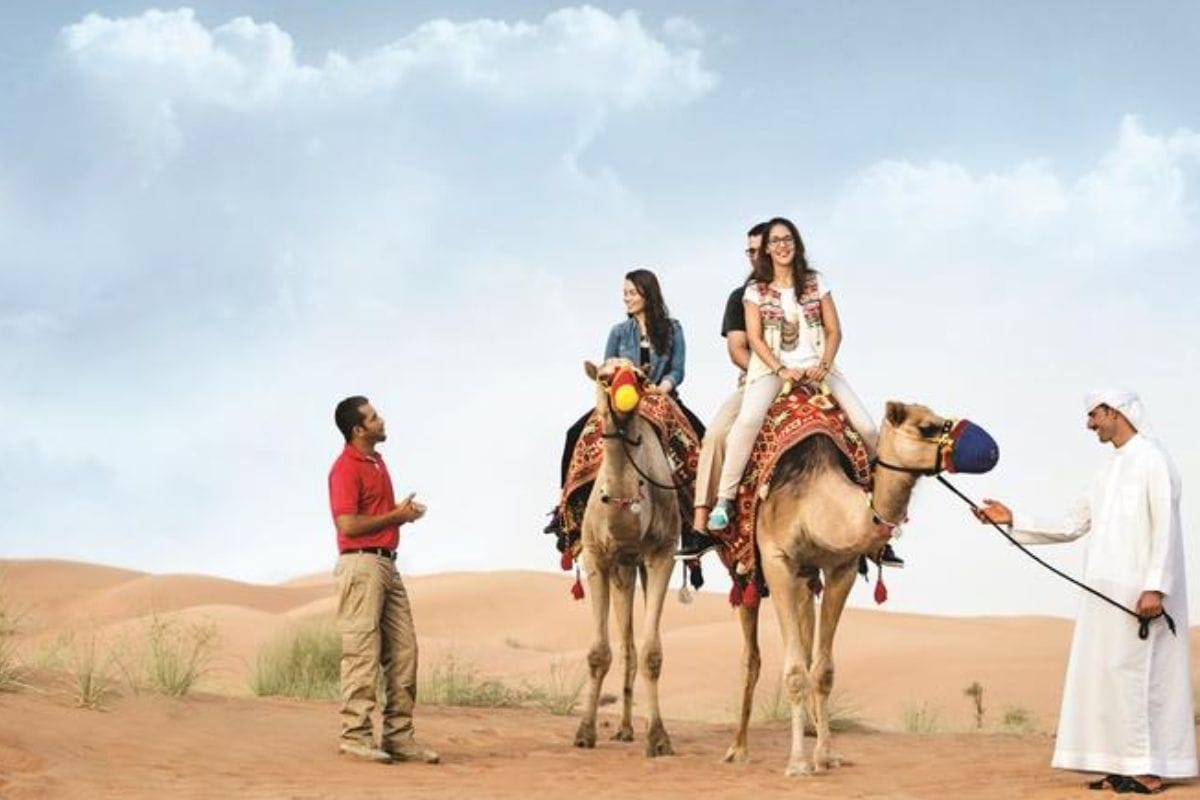
The Anatomy of an Experience Economy Supplier
Understanding what makes an experience economy supplier distinct from a conventional hospitality vendor requires looking at what they actually deliver. The defining characteristic is that their product is not a physical object or a discrete service action. Their product is a designed outcome, a feeling, a moment, a memory that the end guest takes away with them and that the hospitality operator uses to differentiate their offering in a crowded market.
Experience Design and Concept Studios
These are firms that help hospitality operators define and build the sensory and narrative identity of a space or programme. They might work on a restaurant concept from the name and story through to the uniform textures, the music programming, the scent layered into the environment, and the sequencing of the guest journey through the meal. Some operate as full-service creative studios. Others specialise in specific sensory channels, sound design, scent architecture, or visual storytelling.
Immersive Technology Providers
Dubai's appetite for technology-enabled experiences has created a robust cluster of suppliers working at the intersection of hospitality and immersive tech. This includes projection mapping specialists, augmented and mixed reality experience builders, interactive installation companies, and firms that design custom digital activations for event and venue spaces. These are not generalist AV companies. They are experience-first businesses that use technology as a medium rather than an end in itself.
Wellness and Ritual Experience Designers
As Dubai cements its reputation as a global wellness tourism destination, a distinct sub-sector of B2B suppliers has emerged to serve the high-end wellness and spa market. These companies develop signature treatment concepts, source rare or culturally resonant ingredients and rituals, train therapists in proprietary methodologies, and help properties build a wellness identity that cannot be easily replicated. This is a world away from simply supplying equipment or standard product ranges.
Culinary Experience Partners
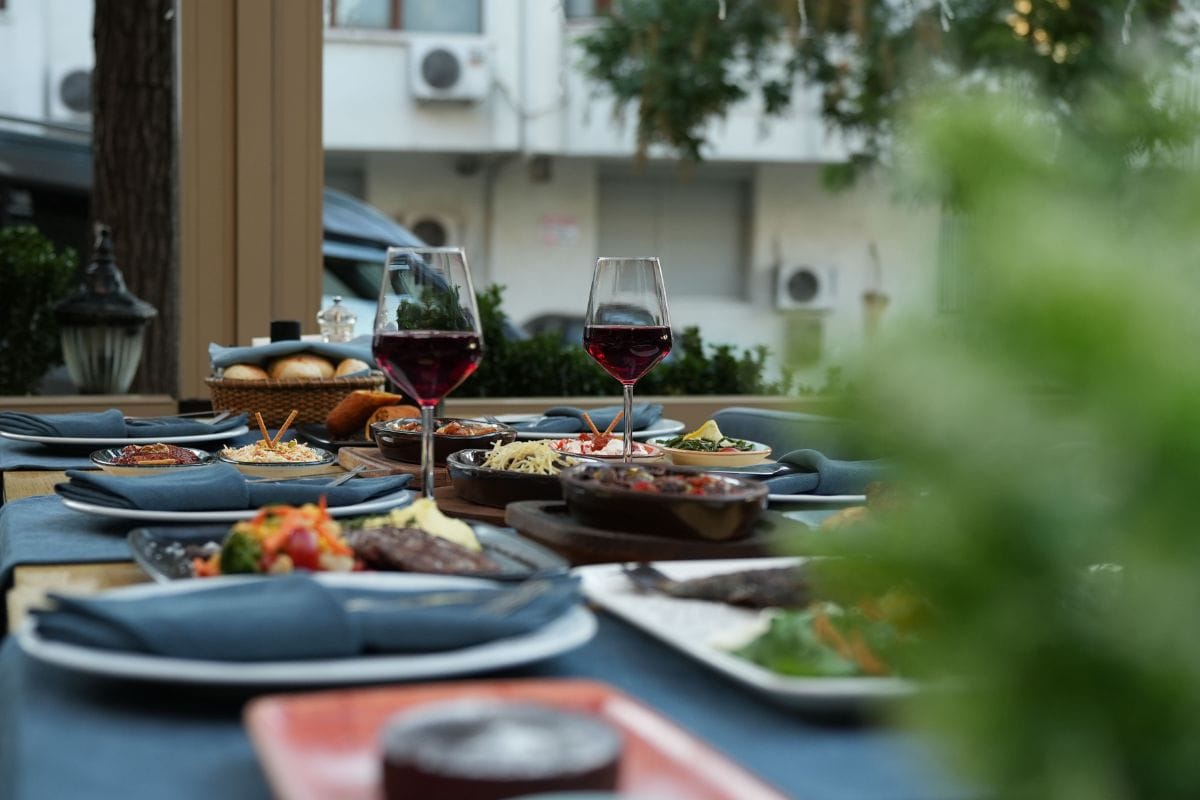
Beyond conventional food and beverage distribution, a growing category of suppliers works with hospitality operators on the conceptual and theatrical dimensions of dining. This includes firms specialising in interactive dining formats, edible art and pastry installations, tableside and live-cooking performance design, and the curation of hyper-local or culturally specific ingredient stories that feed directly into the narrative guests experience during a meal.
Entertainment and Programming Curators
Hotels, resorts, and hospitality venues in Dubai increasingly rely on B2B partners to programme their entertainment and cultural offering. These suppliers source and manage resident artists, cultural performers, pop-up experiences, and community programming that keeps the property feeling alive and relevant. Some of these firms operate like talent agencies crossed with creative agencies, managing both the artistic curation and the logistical execution.
Why Dubai Is the Right Market for This to Happen First
Several structural features of the Dubai market have accelerated the formation of this supplier category in ways that would be harder to replicate in most other cities.
The concentration of high-end and ultra-luxury hospitality in a relatively compact geography means that properties are in intense, visible competition with one another. When one hotel launches a remarkable sensory dining concept or a headline wellness programme, the pressure on neighbouring properties to respond is immediate and tangible. This competition has a ratchet effect, driving continuous investment in experience differentiation and, by extension, in the suppliers who deliver it.
Dubai also benefits from a visitor profile that skews heavily towards guests who have experienced the best hospitality in the world elsewhere. A guest who has stayed at properties in Maldives, Paris, New York, and Singapore arrives with calibrated expectations and genuine discernment. Meeting and exceeding that standard requires sophistication in the hospitality offering, which pulls directly for sophistication in the supply chain.
The regulatory and commercial environment plays a role too. Dubai's free zones and relatively low barriers to business formation have made it easier for specialist experience companies to establish themselves here, either as regional headquarters or as Dubai-first operations before expanding. The city's position as a regional hub for MICE and events business has also created a reliable client base that sustains these suppliers even between major hospitality contracts.
And then there is the sheer volume of new hospitality development in the pipeline. With major projects across Dubai Islands and continued expansion in Jumeirah and Downtown, the demand for experience-layer suppliers is not a temporary spike. It is a structural feature of how the UAE hospitality sector is being built and positioned for the decade ahead.
What Experience Economy Suppliers Are Actually Selling: A Closer Look
To understand why hospitality operators are willing to pay premium rates for these B2B partners, it helps to break down exactly what value they deliver across the guest journey. The list is more practical and commercially grounded than the term "experience economy" might suggest:
• Differentiation that cannot be easily commoditised, because a signature ritual programme or a custom sensory concept is proprietary in a way that a standard room upgrade or a loyalty points scheme is not.
• Social media amplification, since visually and emotionally compelling experiences generate organic content from guests that functions as credible, high-quality marketing the property does not have to pay for directly.
• Dwell time and spend uplift, as immersive dining formats, curated programming, and in-property experience loops give guests more reasons to stay longer and spend more within the property ecosystem rather than leaving for competitor venues.
• Pricing power, because guests who associate a property with a transformative or iconic experience demonstrate significantly higher willingness to pay than those who see the property primarily as accommodation.
• Talent attraction, since hospitality properties known for remarkable experience programmes find it considerably easier to attract and retain creative, high-calibre staff who want to work in environments that value craft and innovation.
• Repeat visit intent, as experiences that carry genuine emotional resonance and memorability give guests a personal narrative about the property that draws them back and drives word-of-mouth referrals that no marketing budget can replicate at equivalent cost.
How Hospitality Brands Are Structuring Their Supplier Relationships

The relationship model between hospitality operators and experience economy suppliers varies considerably depending on the scale and ambition of the operator, but a few distinct patterns have emerged in the Dubai market.
The Retainer Model
Some larger properties and hotel groups are moving towards ongoing retainer relationships with experience design partners rather than project-by-project commissioning. Under this model, the supplier functions almost like an in-house creative and experience team, remaining close to the property's strategy and evolving its programming continuously rather than delivering a single concept and stepping back.
The Concept Launch Model
For new property openings or major repositioning projects, operators often bring in experience economy suppliers on a fixed-term basis to help define and launch a distinctive positioning. This might involve everything from the naming and narrative architecture of a flagship restaurant to the design of the check-in ritual, the curation of the in-room sensory environment, and the development of the property's signature wellness or entertainment programme.
The White-Label Partnership Model
In some cases, particularly in the wellness and culinary space, experience economy suppliers function more like brand licensing partners than conventional vendors. The hospitality operator adopts the supplier's proprietary framework or methodology and presents it as part of their own offering, with the supplier providing ongoing training, quality assurance, product supply, and concept evolution in the background.
The Opportunity for Regional Businesses to Position in This Category
For businesses already operating in adjacent spaces, the emergence of the experience economy supplier category in Dubai represents a genuine strategic opportunity worth examining carefully. Companies in creative industries, wellness, events, technology, food and beverage, art, and cultural programming are all sitting adjacent to this market and may be closer to it than they realise.
The entry point is not necessarily building an entirely new business. More often, it involves reframing an existing capability as an experience layer for hospitality operators, and then demonstrating that reframing in terms that hospitality procurement and commercial teams find credible and compelling. A regional aromatherapy company that has always sold products can position its knowledge of scent formulation as a proprietary sensory signature service for hotel properties. A culinary consultancy that has always worked with standalone restaurants can package its concept development capability as an immersive dining experience design offering for hotels and resorts.
The businesses that will capture the most value from this category shift are those who move early, develop deep familiarity with the commercial language of hospitality operations, and build a track record of demonstrable experience-layer impact at reputable properties. In a market where reputation and referral carry enormous weight, the early movers are already creating moats that will be meaningful by the time the category becomes crowded.
Dubai's hospitality boom is not simply a story of more hotels and more visitors. It is a story of an industry in fundamental transition, one that is redefining what hospitality means and, in doing so, creating demand for an entirely new layer of the B2B economy. The experience economy supplier is not a trend or a niche. It is a structural feature of where premium and ultra-premium hospitality is heading, not just in Dubai but in every market that aspires to compete at the top of the global tourism table.
For operators, the question is how to build relationships with the best suppliers in this category before those suppliers become expensive or unavailable. For businesses with adjacent capabilities, the question is how to position themselves to serve this demand while the market is still forming and the competitive field is still open. And for anyone watching the broader UAE business landscape, the experience economy supplier category is a clear signal of where sophisticated commercial value is being created next.
Also Read:
 Maryam Pervez
 Maryam Pervez
 HiDubai Newswire
 Shahba Mayyeri