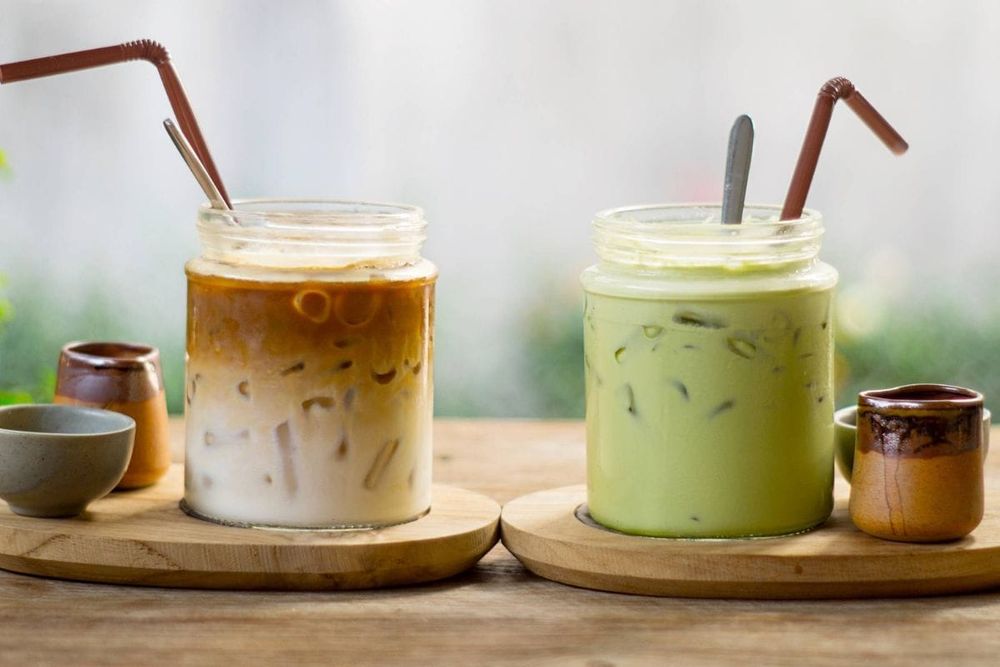
Matcha has held its place on UAE café menus for years vivid, caffeinated, and well-documented in its health benefits. It's become the default Japanese tea for good reason.
But hojicha is now showing up alongside it, and the two drinks are more different than they might appear. One is bright and grassy, the other roasted and mellow. One carries a significant caffeine kick, the other barely any. Your body, your routine, and your palate will point you toward one more than the other.
This article breaks down the key differences in how they're made, how they taste, and what they offer health-wise so you can figure out which one belongs in your cup.
What Is Hojicha?
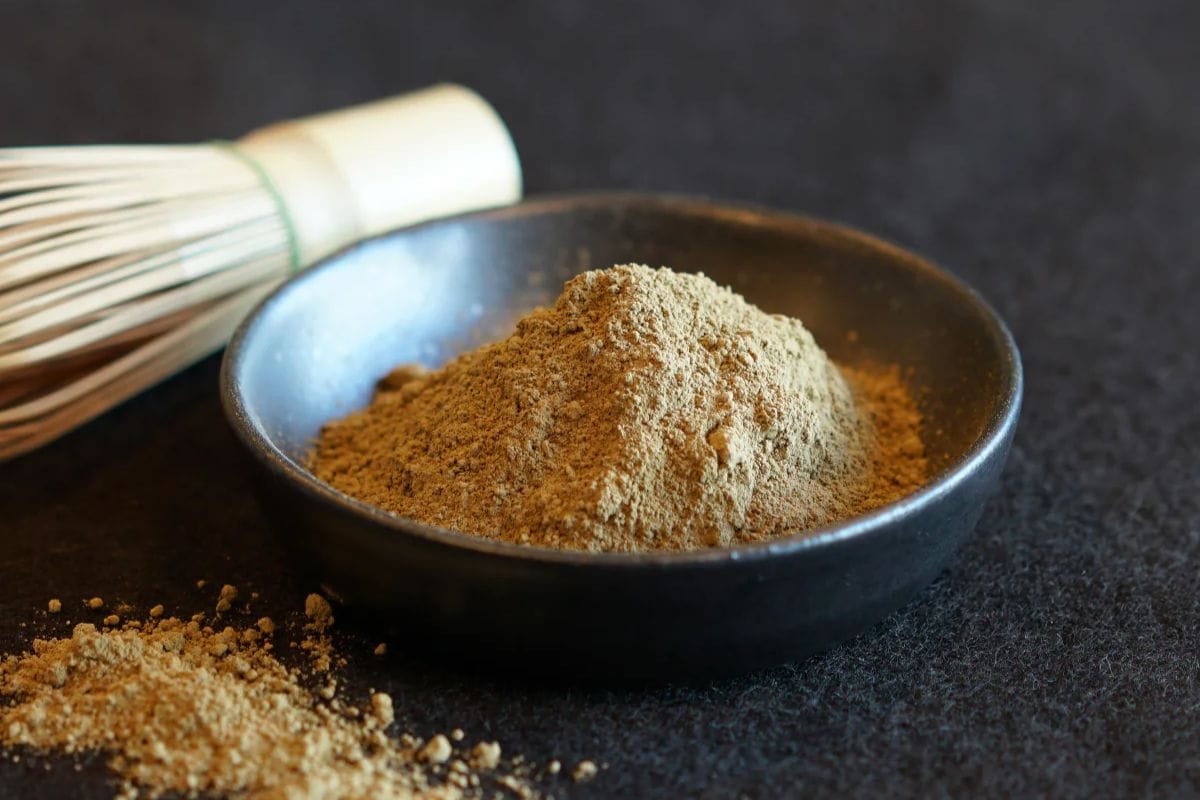
Hojicha is a Japanese green tea. Like matcha, it comes from the Camellia sinensis plant, the same plant that produces black tea, oolong, and every other variety of tea in the world. What makes hojicha distinct is a single step in its production: roasting.
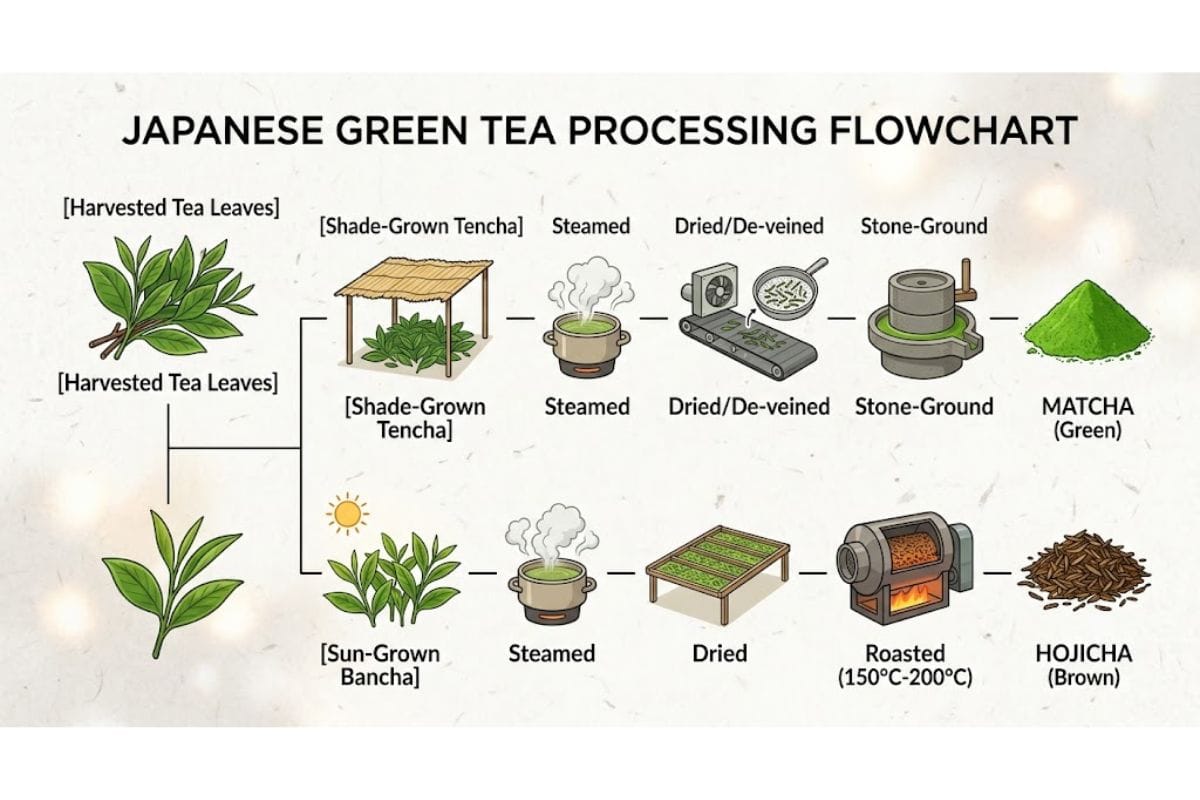
After the tea leaves are harvested and dried, they are placed in a porcelain pot or roasting pan and exposed to high heat, typically between 160°C and 200°C. This roasting process fundamentally changes the character of the leaf. The green colour disappears, replaced by a reddish-brown. The grassy, vegetal flavour that defines most green teas burns away entirely. What remains is a warm, toasty profile with notes of roasted hazelnut, a touch of smokiness, and a subtle caramel sweetness.
The roast can be applied to several types of green tea. Most commercially available hojicha is made from bancha (a later-harvest, lower-grade green tea) or kukicha (made from the stems and twigs of the tea plant). Some premium versions use sencha as the base. The origin of the tea and the intensity of the roast both influence the final flavour.
Hojicha has existed in Japan for close to a hundred years. It was first developed in Kyoto in the 1920s as a way to use lower-grade tea leaves that would otherwise go to waste. Roasting transformed those leaves into something entirely different: a drink that found its own identity and audience. In Japan today, hojicha is considered an everyday tea, commonly offered to children and elderly people precisely because of its low caffeine content. It is served at restaurants, poured as a welcome tea in traditional settings, and sold in powdered form for use in desserts and lattes.
What Is Matcha?
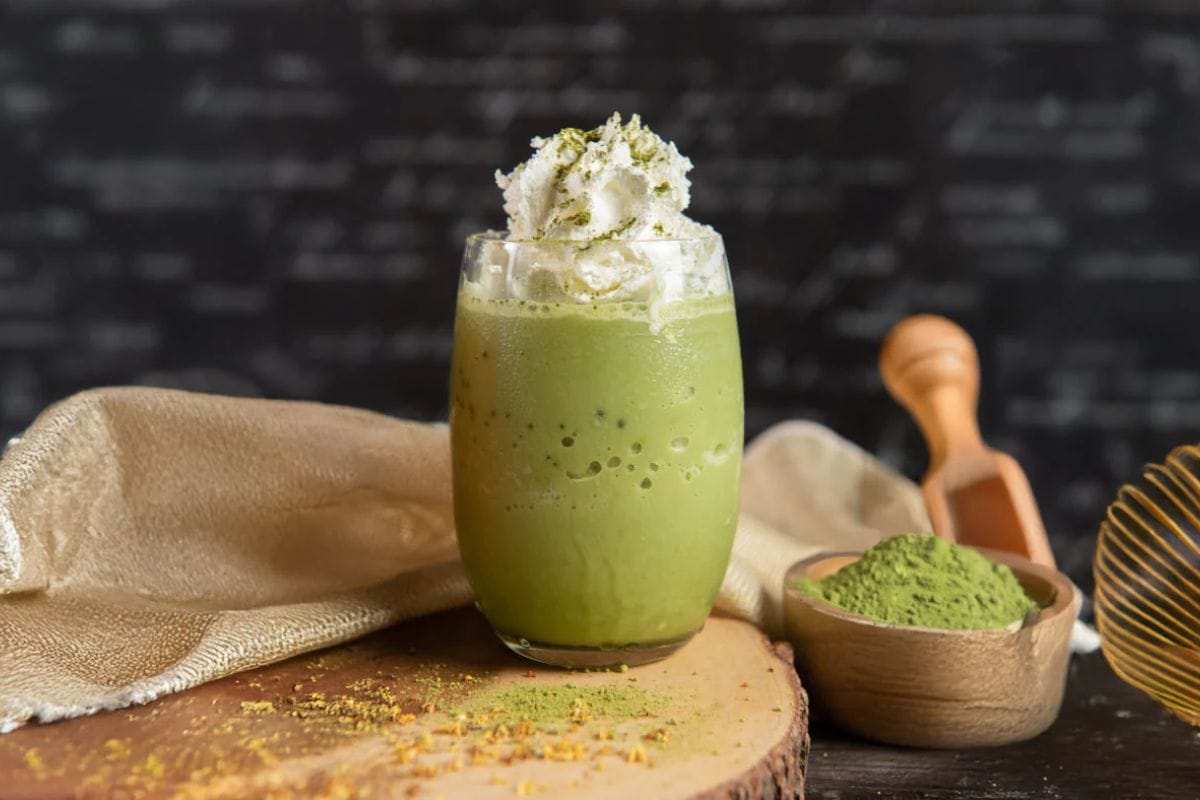
Matcha is also a green tea from Japan, but the way it is grown and processed has almost nothing in common with hojicha. The two teas begin to diverge long before they reach the cup.
Matcha is made from tea plants that are shade-grown for approximately three to four weeks before harvest. Blocking direct sunlight causes the plant to produce more chlorophyll, which is responsible for matcha's vivid green colour, and increases the concentration of amino acids, particularly L-theanine. Once harvested, the leaves are steamed to halt oxidation, dried, and then ground into a very fine powder using stone mills. The resulting powder is called matcha.
Because matcha is a powder that gets whisked directly into water or milk, you are consuming the entire leaf in each cup. Nothing is discarded. This is one reason matcha delivers a more concentrated nutritional and caffeine profile than most teas. The shade-growing technique also increases L-theanine, which is an amino acid known to promote a calm but alert mental state. The combination of caffeine and L-theanine together is often cited as the reason matcha provides a focused, sustained kind of energy rather than the sudden spike associated with coffee.
Matcha used in cafés typically falls into two categories. Ceremonial grade is the highest quality, traditionally used in Japanese tea ceremonies, and has a smoother, less bitter flavour. Culinary grade is more affordable and better suited for mixing with milk and sugar. Most café lattes are made with culinary or entry-level ceremonial grade matcha.
The Caffeine Difference
This is where the two teas diverge most sharply, and it is one of the key reasons hojicha has appeal in a market like the UAE.
A standard serving of matcha contains roughly 38 to 70 milligrams of caffeine, depending on the grade and the amount of powder used. High-quality ceremonial matcha prepared with a larger portion of powder can push past 75 milligrams per cup. That puts matcha in the same general caffeine range as a moderate cup of coffee.
Hojicha, by contrast, typically contains between 7 and 40 milligrams of caffeine per cup. The wide range reflects differences in the base leaf used, how long the roast is applied, and how the tea is brewed. The lower end of that range, around 7 to 8 milligrams per cup, is well below even green tea or black tea. To understand why, it helps to know what the roasting process actually does at a chemical level.
Caffeine has a sublimation point of approximately 178°C. This means caffeine can shift from solid to gas form at that temperature. When hojicha leaves are roasted at 160°C to 200°C, a significant portion of the caffeine in the leaves essentially evaporates. The heat also changes the structure of catechins — the astringent polyphenols present in most green teas by causing them to polymerize, which softens both the bitterness and the stimulant effect of the tea.
The roasting process also produces a compound called pyrazine. Pyrazine is the aromatic molecule responsible for the pleasant, familiar scent of roasted or baked foods: coffee, bread, grilled meat. Its presence in hojicha contributes both to the tea's distinctive aroma and to mild relaxation and improved blood circulation effects, according to some research.
What this means practically: Hojicha is a tea most people can drink in the afternoon or evening without it affecting their sleep. It suits anyone who is sensitive to caffeine, pregnant women who need to limit their intake, and people who want to enjoy a warm drink at night. In a region where meals often happen late, and socializing extends well into the evening, this matters.
Where UAE Cafés Stand Right Now
Matcha is still the dominant Japanese tea on UAE café menus. It has years of establishment behind it and strong brand recognition. Walk into most specialty cafés in Dubai or Abu Dhabi, and you will find matcha lattes, matcha smoothies, and matcha-based desserts without much searching.
Hojicha's presence is more selective at this stage. It is appearing most consistently in Japanese-inspired spaces, specialty tea boutiques, and concept cafés that position themselves around premium or wellness-oriented products. Across Dubai, spots in JBR, the Palm, Alserkal Avenue, and Design District are among those that have placed hojicha prominently on their menus. Some of these serve the classic latte in hot and iced versions. Others are experimenting with more creative formats. A few offer organic hojicha powder for retail purchase alongside the menu drink.
Price points for hojicha lattes in Dubai currently sit between AED 28 and AED 42 depending on the size and the café. This puts them broadly in line with specialty matcha lattes. The drink is not cheap quality Japanese tea ingredients carry a cost, but the pricing is consistent with what customers at this end of the café market expect to pay.
The consumer driving hojicha growth is someone who is already engaged with café culture, familiar with matcha, and looking for something that feels a step further in terms of knowledge and taste exploration. There is also a distinct segment of health-conscious customers who specifically want lower caffeine options but do not want to give up a quality café drink. Hojicha fits both groups.
Antioxidants and Nutritional Considerations
One of matcha's core selling points has always been its antioxidant content, particularly EGCG (epigallocatechin gallate), a catechin studied for its potential protective effects against cellular damage and inflammation. Because matcha is consumed as a whole leaf powder, these compounds are present in high concentrations.
Hojicha does contain antioxidants, catechins, polyphenols, and some EGCG, but roasting reduces these levels compared to unroasted green teas. The high heat degrades some of the more delicate antioxidant compounds. However, hojicha introduces compounds that unroasted teas do not contain, particularly pyrazines and melanoidins (produced via the Maillard reaction during roasting). These have their own research basis for supporting digestive health and circulation. It is not accurate to say one tea is universally healthier than the other; they offer different benefit profiles, and the right choice depends on what a person is looking for.
Both teas are low in calories in their plain brewed forms. Caffè versions with milk and syrups change that calculation significantly, as they do for any drink.
Matcha is better for you if you want a clean energy boost, train in the morning, or care about antioxidant concentration (EGCG). It functions as a coffee alternative with a more stable energy curve.
Hojicha is better for you if you are caffeine-sensitive, pregnant, have trouble sleeping, or want something drinkable in the evening without consequences. Also, the safer choice for children, which is how it is used in Japan.
Also read:
 Shahba Mayyeri
 Umema Arsiwala
 Umema Arsiwala