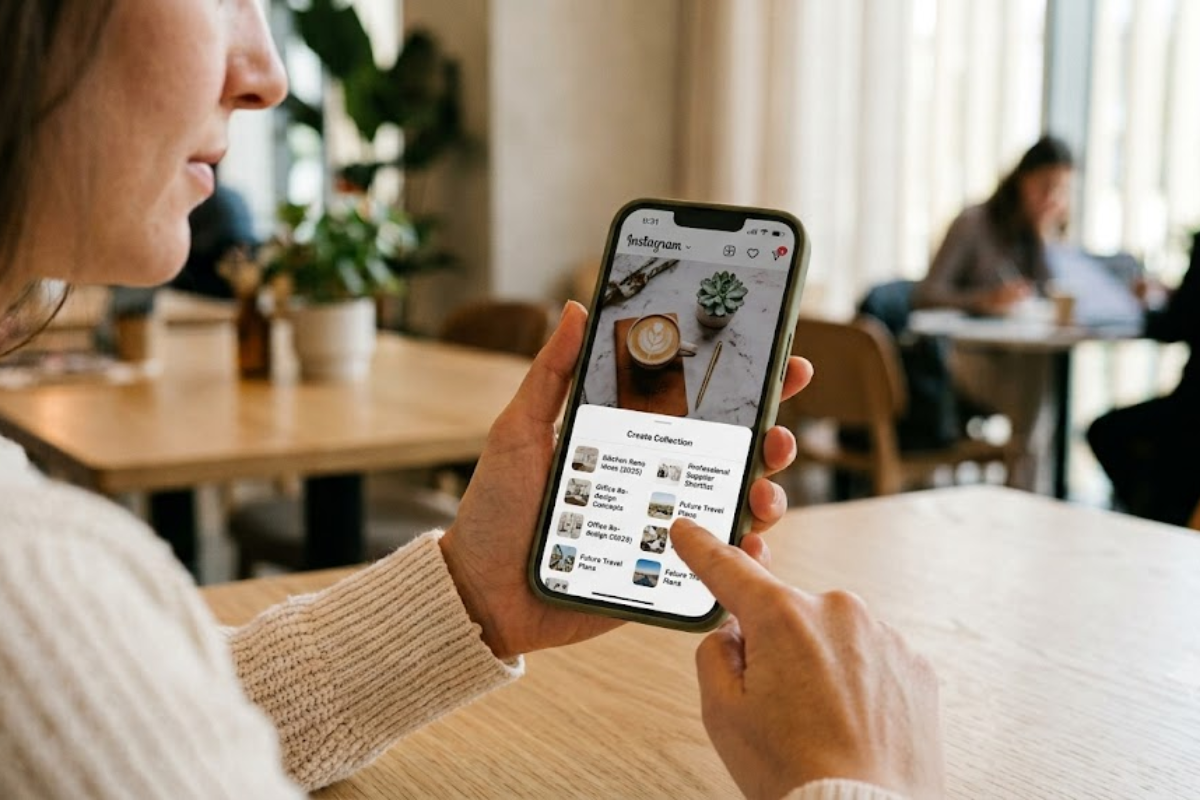
You run your business from your phone. Orders come in through Instagram DMs. Payments go out through a link you copy and paste into WhatsApp. Your Google Business profile shows your hours and your reviews. A customer in Dubai found you on TikTok last week and messaged you within minutes of watching the video.
So here's the honest question: Does this business need a website too? Or is that just another expense, another login, another thing to maintain when everything already seems to work?
This article is not going to tell you that a website is magic. It isn't. Plenty of small businesses run for years without one and do fine. But there are specific situations where skipping a website quietly costs you money, trust, or growth without you noticing it happening. Let's walk through this properly, without the sales pitch.
What Social Media and Messaging Apps Actually Do Well
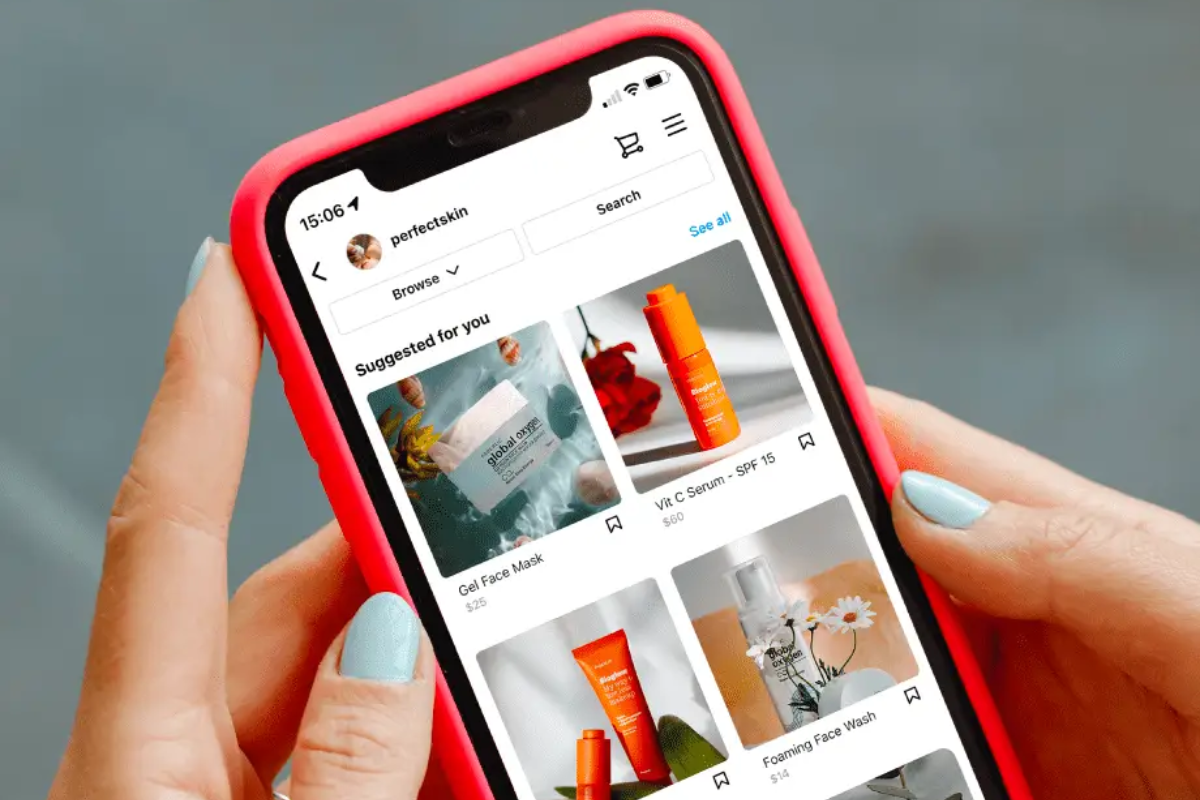
Give credit where it's due. Instagram, TikTok, and WhatsApp solved real problems for small business owners, and they solved them fast.
Cost is the first win. Setting up a shop page on Instagram costs nothing. Posting a product photo costs nothing but your time. Compare that to hiring a developer, buying a domain, paying for hosting, and waiting weeks for a launch. Social platforms let a business owner start selling the same afternoon they decide to start.
Reach is the second win. A single reel can land in front of thousands of people who have never heard of your brand, with zero ad spend if the content resonates. That kind of instant exposure used to require a marketing budget most small operators simply didn't have.
Direct communication closes the loop. A customer sees a product, messages you, asks a question, gets an answer in real time, and pays through a link. No account creation. No cart abandonment. No confusing checkout flow. In markets with strong messaging-app culture, this feels natural to both sides of the conversation.
Local payment links and link-in-bio tools fill the remaining gap. A shop owner in the UAE can register through a simplified e-Trader-style license, generate a payment link through their bank or a gateway provider, and drop that link into a bio or a chat. Customers pay, the owner ships or delivers, and the transaction is complete. No cart software required, no monthly platform fee for an online store.
For a huge number of small businesses, particularly in the early stages, this setup is not a compromise. It is genuinely sufficient.
Consider a home bakery selling custom cakes. The owner posts a photo of a finished cake, a customer messages within the hour asking about flavors and delivery, a price is agreed upon in the chat, a payment link goes out, and the order is confirmed before the conversation even ends. There is no need for a product catalog, no need for a shopping cart, no need for a customer to create an account just to place one order. The entire sales cycle happens in a single thread, and it happens fast because both sides are already comfortable using the app.
The Hidden Risks of Relying 100% on Third-Party Platforms
Here is where the honesty has to kick in, because this is the part that gets glossed over in most advice you'll read online.
Algorithms are not yours to control. A page that was reaching 20,000 people a month can quietly drop to 2,000 after a platform tweaks its ranking system. You did nothing wrong. The rules just changed, and nobody called to warn you. Businesses that built their entire customer pipeline on organic reach have watched that pipeline shrink overnight, with no explanation and no appeal process that actually resolves anything quickly.
Account suspension is a real and recurring problem. Automated moderation systems flag accounts for reasons that are sometimes unclear even to the platform's own support staff. If your account gets locked, restricted, or banned, and most of these platforms offer minimal or slow human support for small business accounts, your entire sales channel can disappear for days or permanently. Your customer list, your posting history, your reviews, all locked behind a login you no longer control.
Data ownership is the quieter risk, and it compounds over time. Every customer who messages you on a third-party app is a customer that the platform knows about, not one you fully own. You don't get a clean email list. You don't get detailed behavioral data about who's browsing, what they're comparing, or when they're likely to buy again. If you ever want to run a proper retargeting campaign, send a newsletter, or simply export your customer base to move to another tool, you often can't. The relationship lives on someone else's server, under someone else's terms of service.
Platform fatigue is real, too. The audience on any given app shifts over the years. Younger demographics migrate to newer platforms. Older demographics stay put or move to messaging apps entirely. A business that only exists on one platform is betting its entire customer relationship on that platform staying relevant, staying popular, and staying accessible to the exact demographic it needs. That is a lot of eggs in one basket that you do not own.
There's also a practical, day-to-day version of this risk that's easy to miss. Customer service messages pile up across three or four different apps, each with its own inbox, its own notification system, and its own way of losing a conversation in the noise. A question asked on a comment thread gets buried under new posts within hours. A message sent through one platform's chat feature never syncs with the one sent through another. Managing customer relationships this way works fine at a small scale, but it gets messier as the business grows, and there's no single place to see the full history of a customer relationship the way a proper customer database would allow.
The True Role of a Website for Small Businesses Today
None of this means every business needs a full custom-built website with ten pages and a blog. It means a website plays a specific, narrower role than it used to, and that role still matters for certain kinds of businesses.
Ownership and permanence sit at the center of it. A website is server space you rent under your own domain name. Nobody can suspend it because an automated system flagged a photo. Nobody changes an algorithm and cuts your visibility in half. It's slow-moving, unglamorous infrastructure, and that's precisely the point. It doesn't shift under you.
Local search visibility matters more than most business owners realize until they lose out on it. Someone searching "plumber near me" or "best abaya tailor in Dubai" on Google is showing high purchase intent, often higher than someone scrolling a social feed. A website optimized with your services, your location, and your keywords gives you a shot at appearing in that search. A social media profile alone rarely ranks well for these searches, and Google Business profiles, while useful, offer limited space to build the kind of detailed content that ranks for competitive local terms.
Trust and legitimacy come into play especially for higher-value purchases. A customer considering a small impulse buy might not think twice about paying through a DM link. A customer considering a service contract, a large custom order, or anything involving real money and real risk tends to check first. They search your business name. If nothing comes up beyond a social profile, hesitation creeps in. A clean, functioning website with clear information about your services, your location, and how to reach you removes a layer of doubt at exactly the moment a customer is deciding whether to trust you with something significant.
Regulatory and professional alignment matters in markets with structured commercial frameworks, and the UAE is a strong example of this. Businesses operating under e-commerce licensing frameworks or corporate transparency requirements benefit from having a website that clearly displays licensing details, terms of service, and contact information. This isn't just about looking professional. It signals to both customers and regulators that the business operates within a recognized structure, which matters increasingly as digital commerce rules tighten across the region.
A website also gives a business a durable home for information that keeps changing hands in social media captions and gets lost within days. Pricing details, service descriptions, refund policies, delivery zones, and business hours all belong somewhere permanent that a customer can return to weeks later and still find accurate. Trying to keep this information current across a dozen old social posts is a losing battle, and customers notice when they land on a caption from eight months ago quoting a price that no longer applies.
Practical Alternatives: When You Might NOT Need a Full Website
None of the above means every business needs to invest thousands in a website right now. Some situations genuinely call for holding off.
Micro-businesses and freelancers testing product-market fit fall into this category clearly. If you're still figuring out whether your product resonates, whether your pricing works, or whether there's real demand, spending money on a website before you've validated any of that is premature. Your energy is better spent posting, messaging, and learning directly from customer reactions.
Hyper-local service operators relying purely on word-of-mouth and direct messaging are another clear case. A home-based baker serving a tight neighborhood network, or a freelance tutor working through referrals, often has a customer base that finds them through personal recommendation rather than search. In this case, a Google Business profile with good reviews and a WhatsApp number does most of the necessary work.
For businesses in this earlier or narrower stage, three simple tools cover most needs without touching a full site build. A Google Business Profile establishes your presence in local search and maps, and it's free to set up. A high-converting payment link through your bank or a gateway provider handles transactions without cart software. A simple single-page landing tool, the kind that takes an afternoon to set up rather than weeks, can hold your basic information, services, and contact details if you want something slightly more permanent than a social bio without the cost of a custom build.
Start with these. Move to a fuller website only once the signals tell you it's time.
How to Decide for Your Business (A Simple Decision Framework)

Rather than following general advice, run your specific business through three questions.
Look first at your sales cycle. Impulse purchases, low-cost items, quick decisions made in the moment, these sell well through social media and direct messaging exactly as they are. Higher-trust decisions, service contracts, large purchases, and anything requiring the customer to research and compare before committing benefit from the credibility a website adds at the research stage.
Look next at your operational budget and your capacity to maintain a tech stack. A website is not a one-time cost. Domains renew annually. Hosting needs to be paid for. Content needs updating so the site doesn't look abandoned. If you don't have the time or the budget to keep a website current, an outdated one can do more damage to trust than having no website at all.
Look last at your long-term growth plan. If you're building something you intend to treat as an asset, something with equity value, something you might eventually sell or scale into a larger operation, a website becomes part of that asset base. It's the infrastructure you own outright. If your goal is closer to steady cash flow from a small, personal operation without ambitions to scale or sell, the simpler tools may serve you just as well indefinitely.
The honest verdict is this: a website is not automatically necessary, and it is not automatically optional either. It depends on what you're selling, who you're selling to, and where you want this business to go.
If your product moves on impulse, your customers trust you through personal relationships and reviews, and you're not chasing high-value contracts or long-term equity growth, holding off on a website and running everything through social media, messaging, and payment links is a completely reasonable choice. Plenty of successful small operators do exactly this.
If you're selling anything that requires a customer to pause and research first, if you operate in a regulatory environment where structured transparency builds trust, or if you're building something you want to own and grow as a real asset over the years, a website earns its place. Not as decoration. As infrastructure that doesn't disappear when an algorithm changes or an account gets flagged.
Either path is valid. What matters is choosing the one that actually matches your business, rather than defaulting to whatever feels easiest this month.
Also read:
 Umema Arsiwala
 Ummulkiram Pardawala
 Umema Arsiwala