Information has never moved faster, and that speed cuts both ways. In a city as connected as Dubai, where residents rely heavily on social media for news and updates, a single false claim can reach thousands of people before anyone has had the chance to verify it.
The rise of what authorities now refer to as "electronic swarms," networks of fake or coordinated accounts designed to push specific narratives, has made this problem significantly harder to manage. These are not random individuals sharing unverified content. They are organised, often automated, and built to overwhelm the information space before corrections can catch up.
The UAE has been watching this trend closely. The response has been deliberate, structured, and importantly built to last.
Technology First: Catching Problems Before They Spread

One of the most significant aspects of the UAE's approach is how early intervention is prioritised. Rather than responding to misinformation after it has already circulated widely, authorities are using artificial intelligence and advanced monitoring tools to detect unusual online activity at the point of origin.
Specialised teams have been established with a specific mandate: identify misleading content early, assess the threat it poses, and respond before it gains traction. This shift from reactive to proactive management is a meaningful one. In the context of fast-moving social media, hours matter. A coordinated response that arrives two days after a rumour has gone viral carries far less impact than one that intercepts it within the first few hours.
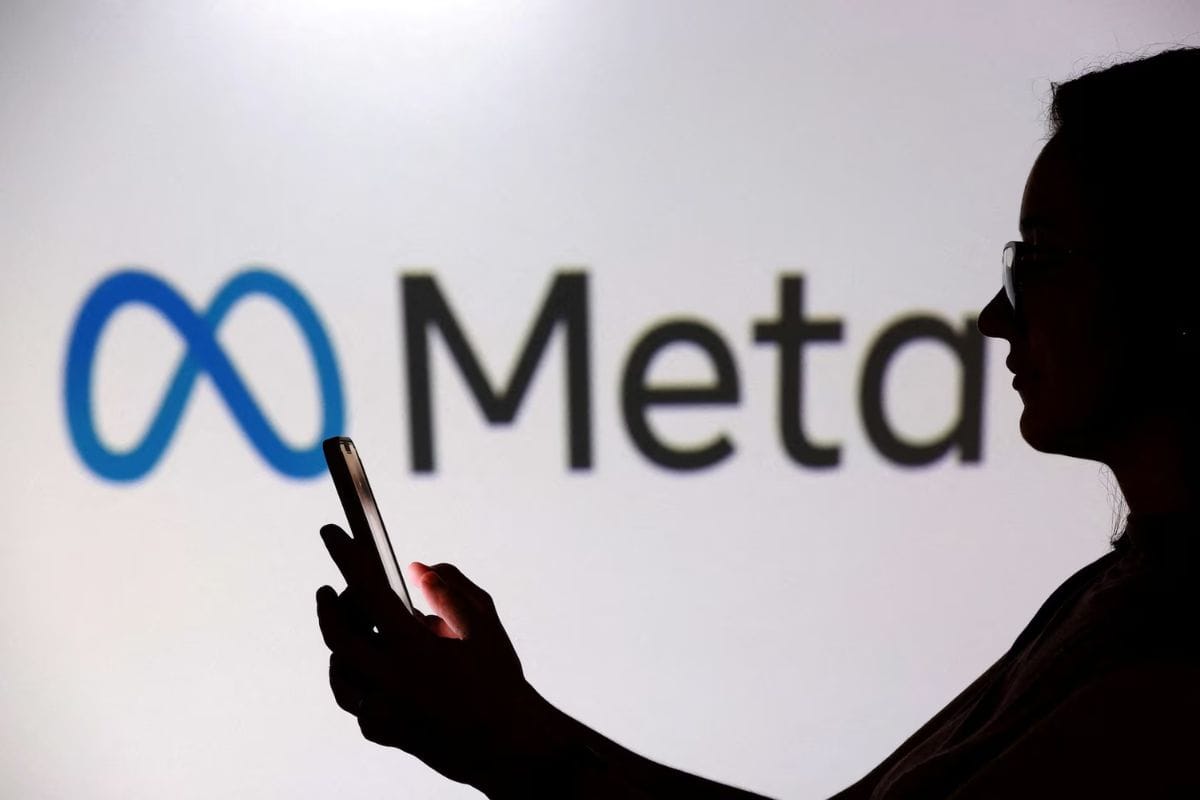
Global platforms have also acknowledged the scale of the problem. Meta and X have both removed millions of accounts linked to suspicious or coordinated activity in recent years, a recognition that the issue is not unique to any single country but requires platform-level accountability alongside national response.
The Legal Framework: Making Accountability Real
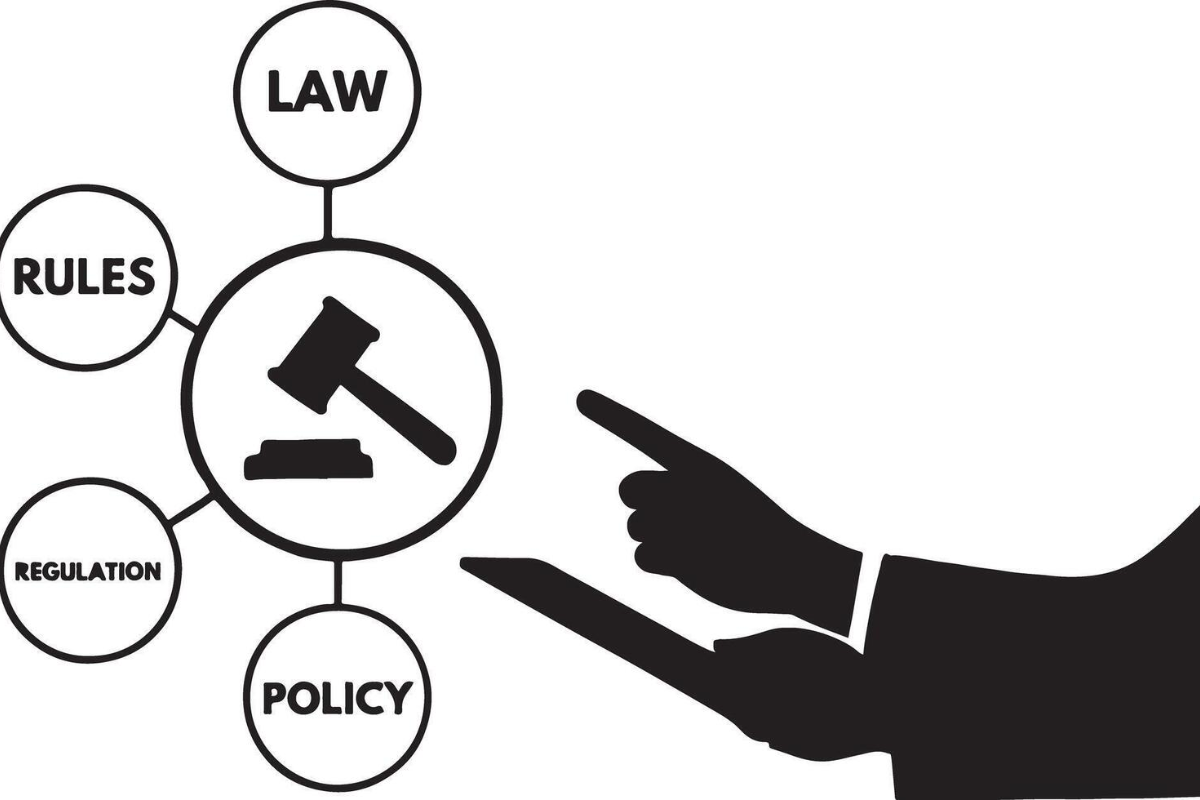
Technology alone does not resolve the problem. The UAE has paired its digital tools with a clear legal framework that criminalises the deliberate spread of false information, particularly when it poses a risk to public safety or economic stability.
These laws are not designed to restrict legitimate expression. Their focus is on organised, deliberate misinformation — the kind that is created with intent to deceive, destabilise, or damage. By attaching legal consequences to this behaviour, the framework creates a meaningful deterrent that complements the technical systems already in place.
Together, law and technology form the foundation of the UAE's strategy. Neither works as effectively without the other.
Building Public Awareness: The Human Layer
Even the most sophisticated detection systems have limits. Misinformation that spreads through personal networks shared by real people who genuinely believe what they are passing on is harder to intercept technically. This is where public awareness becomes essential.
The Telecommunications and Digital Government Regulatory Authority (TDRA) has made digital literacy a core part of its mandate. Its focus is practical: encouraging residents to pause before sharing, to cross-reference claims against trusted sources, and to understand how false information is designed to look credible. The UAE Cybersecurity Council runs parallel awareness campaigns reinforcing the same message: verify first, share second.
The underlying logic is sound. A population that is harder to deceive is a more effective line of defence than any algorithm alone.
Coordination: The Factor That Sets the UAE Apart
What distinguishes the UAE's approach from isolated national responses elsewhere is the level of coordination across sectors. Government entities, media organisations, and educational institutions are not operating independently on this issue. They are sharing information, aligning messaging, and responding as a unified front.
This coordination means that when a false narrative emerges, the response is not fragmented or delayed by institutional boundaries. A clear, consistent message reaches the public quickly and from multiple trusted directions simultaneously. That consistency matters. Misinformation thrives in spaces where official responses are slow, contradictory, or absent. A coordinated ecosystem of response leaves far less room for false narratives to take hold.
What Comes Next
Officials in the UAE are clear-eyed about the road ahead. Digital threats are not static. The tools used to spread misinformation will continue to evolve, and the strategies used to counter them must evolve just as quickly.
The long-term focus is on innovation and sustained cooperation, building systems that are adaptive rather than fixed, and institutions that can respond to threats that do not yet exist. The combination of technology, legislation, and public awareness is not a solution designed for today's problem alone. It is a foundation intended to hold as the digital landscape continues to shift.
The UAE's approach to digital misinformation is not built on a single tool or a single law. It is built on the recognition that the problem is layered and that the response needs to be equally layered.
Technology catches what spreads fast. Law creates accountability for those who act with intent. Public awareness reduces the number of people who can be deceived in the first place. And coordination ensures that all three work together rather than in isolation.
In 2026, that combination is already being studied as a working model by other nations navigating the same challenge. Dubai is not just managing the problem. It is building a blueprint for how to stay ahead of it.
Also read:
 Shahba Mayyeri
 Ummulkiram Pardawala
 Shahba Mayyeri